E-Paper



US special representative for Afghanistan meets senior Indian officials, Abdullah Abdullah
The meetings mark the first high-level contacts on Afghanistan between India and the US after a gap of several months, during which the focus of the world community was largely on the Ukraine crisis

 Prefer HTon Google


New Delhi: The US special representative for Afghanistan, Thomas West, has met senior Indian officials during an unannounced visit to the capital to discuss the situation in the war-torn country amid growing concerns about human rights and security issues.
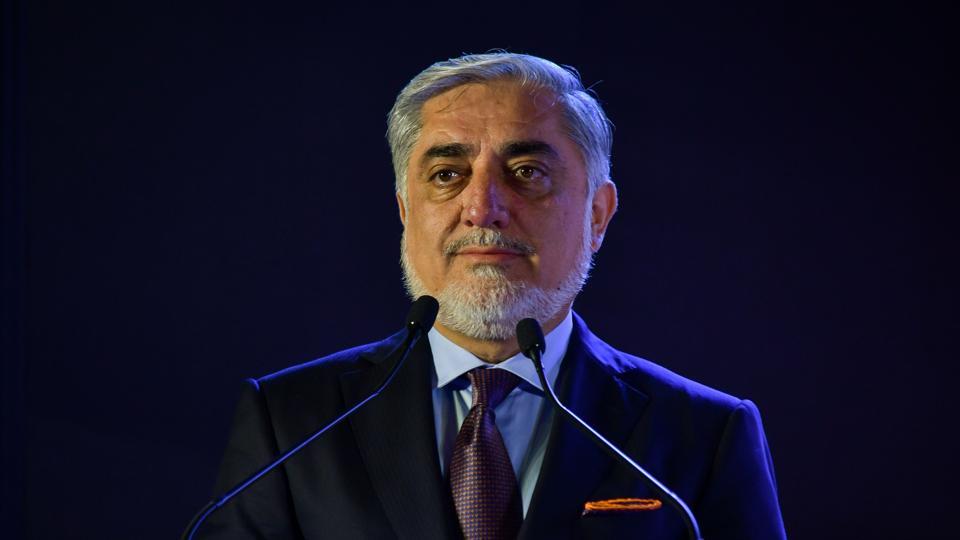
Besides meeting joint secretary JP Singh, who heads the Pakistan-Afghanistan-Iran division in the external affairs ministry, West also held talks with Afghanistan’s former chief executive Abdullah Abdullah, who has been in New Delhi since early May on a private visit.
The meetings mark the first high-level contacts on Afghanistan between India and the US after a gap of several months, during which the focus of the world community was largely on the Ukraine crisis. This period also coincided with a steady downturn in the security situation in Afghanistan and a marked erosion of human rights, especially the rights of women, under the Taliban regime.
West tweeted on Thursday that he and his team held detailed discussions on Afghanistan policy with Singh on Wednesday. The US side will continue to work closely with India to take forward shared goals, he said.
“India is providing critical humanitarian aid, has interests to protect, brings enormous capability and experience to supporting Afghan people. We’ll continue to partner with India and others in the region to advance shared goals,” West said in a tweet.
West described his meeting with Abdullah at the US embassy on Thursday as part of a continuing dialogue with Afghan leaders and thinkers. He added that this was his first meeting with Abdullah after many months, and welcomed the Taliban’s “good decision to let him see family and return”.
“Discussed issues critical to Afghanistan’s future and relations with [international] community: need for political process, human rights abuses, women’s essential role in society, humanitarian situation, and terrorism threats,” West tweeted about his meeting with Abdullah.
West said he looks forward to continuing his dialogue with other Afghan leaders and thinkers in the coming days.
Abdullah, who was under virtual house arrest since the Taliban takeover in August last year, is among a handful of senior Afghan leaders who didn’t flee from Kabul last year. The Taliban permitted Abdullah to leave Afghanistan late in April to be with his family in India for Eid-ul-Fitr.
The former head of Afghanistan’s high council for national reconciliation has in recent days called for a participatory process to find solutions to the current situation in his country. He has also opposed the killing and torture of civilians in several regions, including Panjshir, Takhar and Khost.
The crisis in Afghanistan can only be resolved through negotiation, understanding, and respect for the will of the people, religious diversity and cultural differences in the country, Abdullah said in recent tweets. Any continuation of “anti-humanitarian policies, repression, intimidation and restrictions on girls and women” will lead to the isolation of Afghanistan and escalate ethnic tensions that could trigger a civil war, he warned.