
 E-Paper



Vote-for-bribe: Supreme Court says no immunity from prosecution to MPs, MLAs, overrules 1998 verdict
The SC said corruption or bribery by a member of legislature erodes probity in public life and accepting bribes itself constitutes the offence.

 Prefer HTon Google


A seven-judge bench in the Supreme Court held that lawmakers, including MPs and MLAs, are liable to be prosecuted under the Prevention of Corruption Act if they receive monetary benefits for their votes and speech in Parliament or assembly, overruling the 1998 verdict of the apex court in PV Narasimha Rao case.
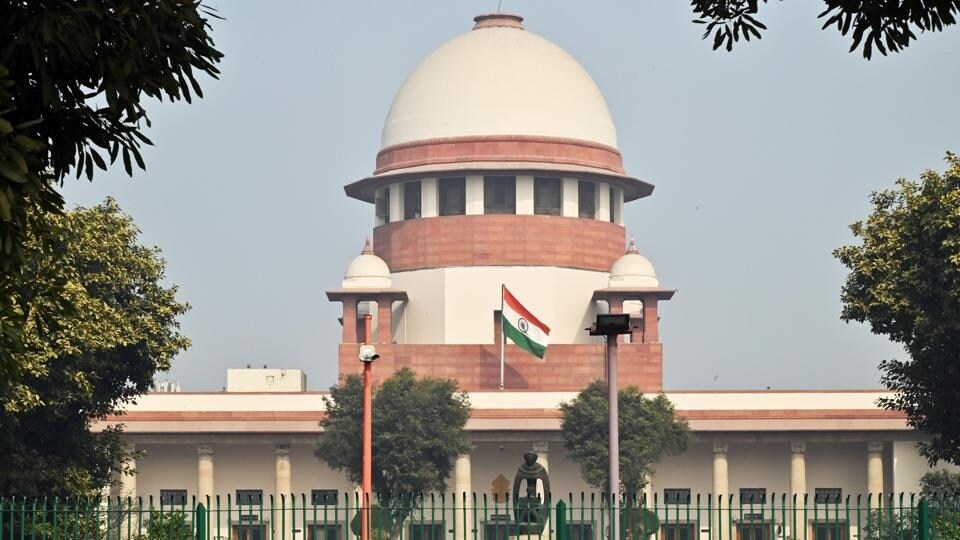
A seven-judge constitution bench headed by Chief Justice of India DY Chandrachud unanimously overruled the 1998 verdict delivered by a five-judge bench in the JMM bribery case by which MPs and MLAs were granted immunity from prosecution for taking a bribe to make a speech or vote in the legislature.
Pronouncing the verdict, CJI Chandrachud said bribery is not protected by parliamentary privileges and the interpretation of the 1998 verdict is contrary to Articles 105 and 194 of the Constitution.
“An MP/MLA can't claim immunity from prosecution on a charge of bribery in connection with the vote or speech in the legislative house,” the ruled the seven-judge bench.
The SC said corruption or bribery by a member of legislature erodes probity in public life and accepting bribes itself constitutes the offence.
“To give any privilege unconnected to the functioning of Parliament or legislature will lead to creating a class that enjoys unchecked exemptions from the operation of law of the land,” it said.
Parliamentary privileges are essentially related to the House collectively and necessary for its functioning, said the seven-judge bench.
“Elections to Rajya Sabha or to the office of the President/Vice President will also come under the ambit of Constitutional provisions applicable to parliamentary privilege,” the Supreme Court said.
In 1998, the five-judge constitution bench held in its majority verdict on the Narasimha Rao versus CBI case that parliamentarians have immunity against criminal prosecution for any speech made and vote cast inside the House under Articles 105(2) and 194(2).
The seven-judge bench was reconsidering the 1998 judgement.
While pronouncing the verdict, the CJI said Article 105 of the Constitution seeks to sustain an environment to have deliberations by the lawmakers in the House and this atmosphere is vitiated when a member is bribed to deliver a speech.
Justice Chandrachud said the privileges claimed must have a nexus to the collective functioning of the House and must have a relationship with the essential functions of a legislator which he or she has to discharge.
The seven-judge bench had reserved its judgement in the matter on October 5 last year.
During the arguments, the Centre had submitted that bribery can never be a subject matter of immunity and a parliamentary privilege is not meant to place a lawmaker above the law.
The top court, in the course of the hearing, had said it would examine whether the immunity granted to lawmakers from prosecution for taking bribes to make a speech or vote in Parliament and state legislatures extends to them even if criminality is attached to their actions.
On September 20, 2023, the apex court had agreed to reconsider its 1998 judgement, saying it was an important issue having a significant bearing on "morality of polity".


