
 E-Paper



Western disturbances likely to raise temperatures: IMD
Maximum and minimum temperatures are likely to fall by 3 to 5 degree C from January 9 to 11 but rise again thereafter due to another Western Disturbance (WD) approaching around January 13 to 14, the meteorologists said.


The worst of winter is possibly over, meteorologists said on Tuesday as Delhi recorded a minimum temperature of 11.6 degree C, 4 degrees above normal.
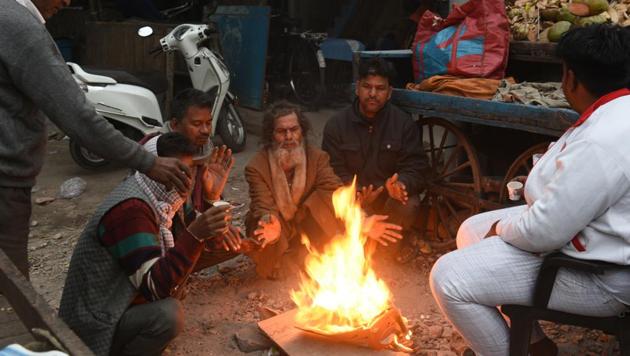
The maximum temperature of 19 degree C recorded in the capital on Tuesday was normal for this season.
Maximum and minimum temperatures are likely to fall by 3 to 5 degree C from January 9 to 11 but rise again thereafter due to another Western Disturbance (WD) approaching around January 13 to 14, the meteorologists said.
The WD is lying over Afghanistan and its neighbourhood with an induced cyclonic circulation over south-west Rajasthan.
It has brought snowfall in Uttarakhand, Himachal Pradesh and Jammu and Kashmir and rain in many parts of northern plains.
Light to moderate rain or snow is likely over the western Himalayan region under the WD’s influence during the next couple of days.
There is a possibility of heavy snow in Jammu and Kashmir and Himachal Pradesh on Wednesday and in Uttrakhand till Thursday.
The clouding associated with the WD has led to a rise in minimum temperature in Delhi. “Because of cloud cover in the morning associated with the Western Disturbance, the outgoing long wave radiation is trapped making nights warmer. But after the WD passes and wind direction changes to northwesterly [bringing icy cold winds from the western Himalayas] from January 9, we may experience very cold nights with a fall in temperature by 3 to 5 degree C,” said Regional Weather Forecasting Centre head Kuldeep Shrivastava.
The minimum temperature on January 5 was 7 degree C and 9.9 on January 6.
The maximum and minimum temperatures will rise again due to clouding and moisture incursion forecast on January 13 and 14 when the WD is approaching.
But after the WD passes, the normal maximum temperature threshold would rise to 20 degree C as the season would transition to a warmer phase.
The normal maximum temperature in Delhi between January 1 to 6 is 19.1 degree C. Between January 7 and 10, it is 9.4 degree C and 20 degree C from 11 to 14.
“The worst of this winter is over. The winter chill will be felt for another three to four days between January 9 to 14 when there will be clear skies and northwesterly winds,” said Skymet Weather’s climate and meteorology vice president Mahesh Palawat.


