
 E-Paper



What does Constitution (131st Amendment) Bill, 2025 mean for Chandigarh? Explained
Currently, Article 240 includes the Andaman and Nicobar Islands, Lakshadweep, Dadra and Nagar Haveli, Daman and Diu, and Puducherry.

 Prefer HTon Google


The Parliament is up for a heated winter session as the Union Government plans to introduce the contentious Constitution (131st Amendment) Bill, 2025 in the upcoming session set to start from December 1, 2025.
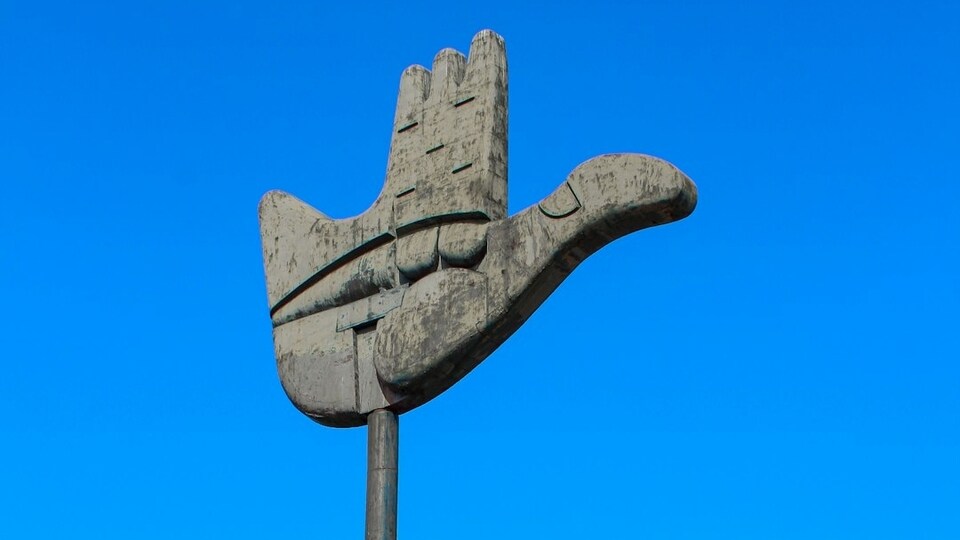
The development has triggered massive pushback from the ruling Aam Aadmi Party in Punjab and other Punjab leaders including Congress’ Amarinder Singh Raja Warring and Shiromani Akali Dal’s (SAD) president Sukhbir Singh Badal.
However, the Centre has now backtracked on its decision and said in an official statement it has "no intention" to introduce a change regarding Chandigarh's administration.
What is Constitution (131st Amendment) Bill, 2025
As listed in the Rajya Sabha bulletin, the Constitution (131st Amendment) Bill, 2025 aims to include the Union Territory of Chandigarh under Constitution’s Article 240. This means that the bill seeks to bring Chandigarh in the same category as other Union Territories which do not have legislatures of their own and the President is empowered to frame regulations for them.
Also read: ‘Attack on Punjab’: Centre's move to bring Chandigarh under Article 240 sparks outrage
Currently, Article 240 includes the Andaman and Nicobar Islands, Lakshadweep, Dadra and Nagar Haveli, Daman and Diu, and Puducherry.
What would it mean for Chandigarh
The bill, if passed, would enable the President of India to frame regulations for Chandigarh as well, along with other Union Territories under Article 240 of the Constitution. The move is widely viewed as opening the door for the appointment of a lieutenant governor to run the city.
Currently, the Punjab governor functions as Chandigarh’s administrator. If the Constitution (131st Amendment) Bill, 2025 is passed, it would mark a major departure from this existing system.
What AAP, other Punjab leaders say
Punjab’s chief minister Bhagwant Mann has strongly criticised the move and accused the Centre of trying to “take away” Punjab’s capital.
“This amendment is against the interests of Punjab. We will not allow the conspiracy being hatched by the Central Government against Punjab to succeed in any way. Chandigarh, built by razing our Punjab's villages, belongs solely to Punjab. We will not let our right slip away just like that. For this, we will take whatever steps are necessary,” he wrote in a post on X.
Congress’ Punjab chief Amarinder Singh Raja Warring also opposed the move and called it “totally uncalled for”. "Chandigarh belongs to Punjab and any attempt to snatch it away will have serious repercussions", he said.
Sukhbir Singh Badal, Shiromani Akali Dal (SAD) president, said that the bill is “against the interest of Punjab” and “would amount to the GOI going back on all commitments made to Punjab regarding the transfer of Chandigarh to the state.”
“The previous Congress governments in Delhi have discriminated against Punjab and deprived us of our capital city. This Bill further seeks to remove whatever little administrative and political control Punjab has over Chandigarh and would permanently extinguish Punjab’s claim to Chandigarh as its capital city,” he wrote in a post on X.
(With inputs from Vishal Rambani)


