
 E-Paper



Who was Neem Karoli Baba, the spiritual guru at the centre of the movie 'Hanuman Ansh’ Kainchi Dham
Neem Karoli Baba, also known as Maharaj-ji and Neeb Karori Baba, was a Hindu spiritual teacher and devotee of Lord Hanuman.

 Prefer HTon Google


The sleeper success of 'Hanuman Ansh' has brought renewed attention to Neem Karoli Baba, the 20th-century Indian spiritual teacher whose influence reached far beyond his ashram in the hills of Uttarakhand.
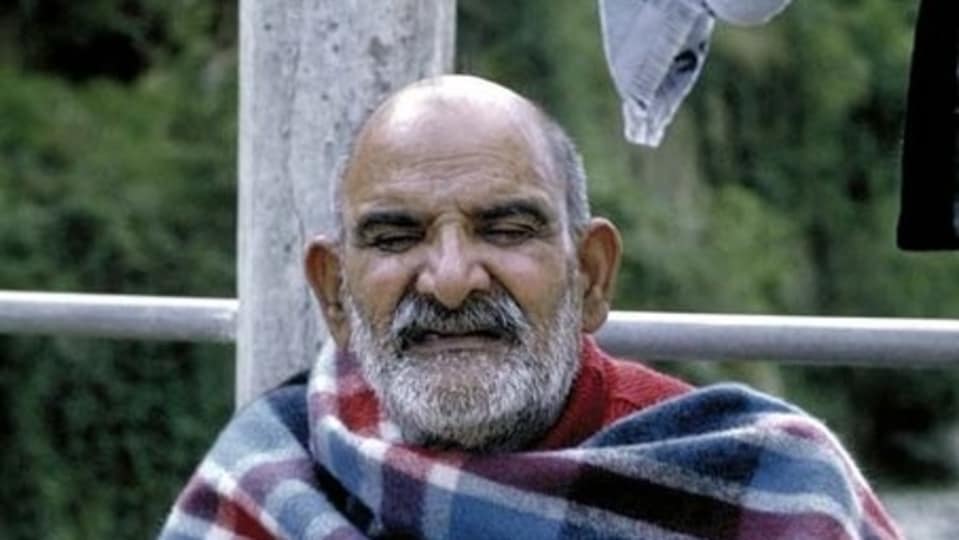
The Vishal Chaturvedi-directed film, which is based on Neem Karoli Baba's life, has become an unexpected box-office success. Made on a budget of around ₹1.7 crore, had earned ₹45 crore in India in 25 days and expanded from an initial release in 250 theatres to around 1,200 screens.
But who exactly was Neem Karoli Baba, and why does his name remain associated with figures such as Steve Jobs, Mark Zuckerberg and Hollywood actor Julia Roberts?
Who was Neem Karoli Baba?
Deep Dive

Neem Karoli Baba, also known as Maharaj-ji and Neeb Karori Baba, was a Hindu spiritual teacher and devotee of Lord Hanuman. He was associated with Kainchi Dham in Uttarakhand, the ashram he founded in 1962. He died in 1973 but continues to be revered by followers in India and abroad.
His teachings were rooted in bhakti - devotion to God - and emphasised love, compassion and service. An NDTV report on Kainchi Dham described his philosophy in simple terms as "all one", while recounting how devotees remembered him as a spiritual teacher who lived simply and interacted informally with those who came to him.
Neem Karoli Baba did not build his reputation through a conventional religious institution. Much of his influence grew through his disciples and the stories they told about their experiences with him.
The Indian Express noted that numerous anecdotes about alleged miracles - including claims that he could materialise objects or heal the sick - became part of the legend surrounding him. Such accounts are part of his devotees' faith and oral tradition, rather than independently established historical facts.
Why is he associated with Lord Hanuman?
Devotion to Lord Hanuman was central to Neem Karoli Baba's spiritual identity. That connection is also at the heart of 'Hanuman Ansh'. The film's official synopsis describes a grieving boy who seeks God after losing his mother and, through his search for the divine, learns to serve humanity before becoming Neem Karoli Baba.
Director Vishal Chaturvedi told Hindustan Times that Neem Karoli Baba's story itself was the principal reason he believed the film connected with audiences. He attributed its success to the story, music and performances, along with word-of-mouth publicity.
Kainchi Dham: The centre of his legacy
If there is one place most closely associated with Neem Karoli Baba, it is Kainchi Dham - the ashram he founded in 1962 in the Kumaon region of Uttarakhand.
The ashram subsequently became a major pilgrimage centre and continues to attract thousands of devotees, particularly around June 15, the anniversary of its founding.
An NDTV report on the ashram described it as a relatively simple complex consisting of temples, living quarters and communal spaces. Devotees participate in prayers and meals and help with activities around the ashram.
Ram Dass: The disciple who took his teachings to America
One of the most important figures in Neem Karoli Baba's international legacy was Richard Alpert, the American psychologist who later became known as Ram Dass.
According to The Indian Express, Alpert travelled to India in 1967 and met Neem Karoli Baba. The guru gave him the name Ram Dass, meaning "servant of God".
Ram Dass subsequently became one of the best-known Western spiritual teachers of his generation. His 1971 book 'Be Here Now' introduced millions of readers to his experiences with Indian spirituality and helped bring the teachings associated with Neem Karoli Baba to a global audience.
Did Steve Jobs meet Neem Karoli Baba?
Despite the frequently repeated association between Steve Jobs and Neem Karoli Baba, the two never actually met.
The Indian Express reported that Jobs travelled to India in 1974 with the intention of seeking spiritual guidance and had wanted to visit Neem Karoli Baba. But Baba had died in 1973, before Jobs arrived. Jobs nevertheless visited Kainchi Dham and spent time in India during his spiritual journey.
A letter written by the then 19-year-old Jobs, later reported on by The Indian Express, showed that he had planned a trip to India and the Kumbh Mela. His subsequent journey took him to Neem Karoli Baba's ashram, where he stayed after learning that the guru had died.
Why is Mark Zuckerberg linked to Kainchi Dham?
The Neem Karoli Baba connection also reached another major technology entrepreneur: Mark Zuckerberg.
NDTV reported that Zuckerberg visited Kainchi Dham during Facebook's early years, following advice from Steve Jobs. Zuckerberg made the trip at a time when Facebook was going through a difficult period, and he later said the experience helped him reconnect with the company's mission.
What about Julia Roberts?
Neem Karoli Baba's influence also extended into Hollywood. Julia Roberts has spoken about being drawn to a photograph of Neem Karoli Baba despite knowing little about him at the time. She later discussed the experience during an appearance on 'Good Morning America'.


