
 E-Paper



'Why not Chutiyaram?': Namkeen brand applicant questions Trade Mark's U-turn
The applicant alleged that the withdrawal of registration of ‘Chutiyaram’ by the registry was driven by media pressure 'bias against Hindi'.

 Prefer HTon Google


The woman who had sought registration of the mark ‘Chutiyaram’ for a ‘namkeen’ (snack) brand has questioned the Trademark Registry's claim that the registration was initially accepted due to an error before it was withdrawn.
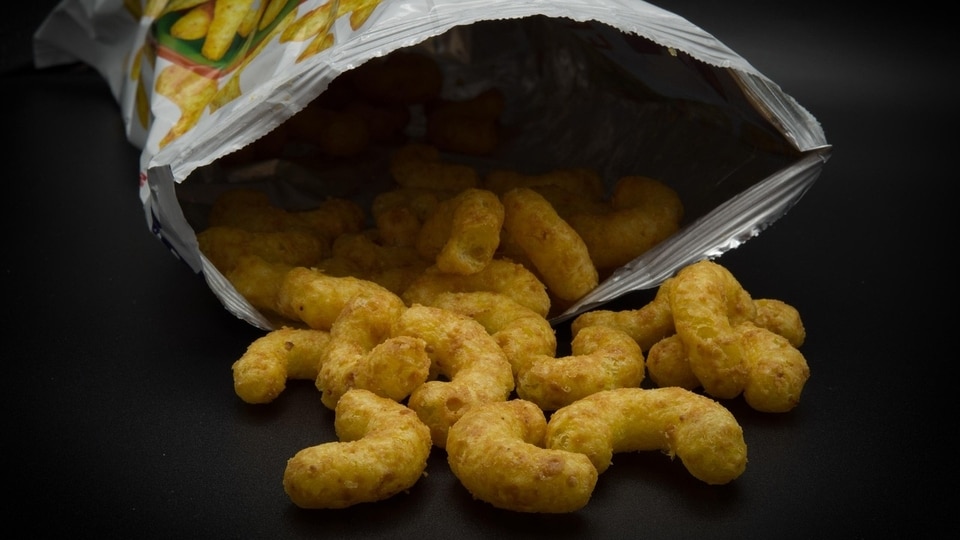
In a written response filed before the Trademark Registry, cited in a Bar and Bench report, applicant Sadhna Goswami alleged that the withdrawal of the registration by the registry was driven by media pressure and a “systemic bias against Hindi and vernacular languages”.
Sadhna Goswami also accused several media outlets of conducting a "reckless media trial" against the approved trademark, claiming that the registry's withdrawal of the mark citing an error was a direct result of media pressure.
“Media outlets wrongfully sensationalised the acceptance of the Mark despite the registry’s well-reasoned acceptance, various media organizations launched a targeted and unjustified campaign against the mark’s approval,” the response said.
The response, shared by the applicant's lawyer Anil Yadav on LinkedIn, stated that the term “CHUTIYARAM चुटियाराम” is made of two words: “Chutiya” [derived from Sanskrit word “Choti,” meaning a sacred tuft of hair in Hinduism] and “Ram” [referring to Lord Rama, a revered deity in Hindu tradition].
Why not Chutiyaram if Lauda, Boob approved, asks applicant
The applicant also mentioned in the response that the registry had previously approved trademarks such as such as 'Boob,' 'Lauda,' and 'Pussy in Boots', “which could be subjectively perceived as offensive”.
“The term “CHUTIYARAM चुटियाराम” in its entirety, therefore, conveys a deeply spiritual and cultural essence. It is not a slang term or an offensive expression but rather a respectful reference to sacred Hindu traditions,” the applicant said.
The withdrawal, without citing specific legal provisions, undermines the legal sanctity of the trademark application process, the response stated.
"The Registry, which is an autonomous statutory body, should function independently without bowing to external pressures," the applicant stated in the submissions.
The mark ‘Chutiyaram’, symbolises spiritual and cultural heritage rather than any obscene expression, the applicant said, adding that the sacred tuft of hair, or “Shikha,” is an integral part of Hindu rituals and traditions, emphasising the mark’s religious relevance.
‘Discrimination against Hindi’
The applicant has raised concerns about systemic discrimination against Hindi and other vernacular languages within the Trademark registry.
According to the applicant, the registry's digital filing system lacks a module to process Hindi word marks, compelling applicants to transliterate their marks into English. The applicant argued, “The Registry’s continued insistence on English as the primary language for word mark applications reflects a colonial hangover.”
In light of the above-mentioned points, the applicant requested the registrar to reinsate the acceptance of the trademark “CHUTIYARAM चुटियाराम' and acknowledge that the withdrawal was influenced by media pressure rather than legal grounds.
The applicant sought that the “systemic biases against Hindi” and vernacular languages in the trademark registration process is addressed.
The applicant also requested the registrar to uphold the sanctity of the Trade Marks Act, 1999, ensuring that future decisions are free from external interference.
The Trademark Registry had initially accepted the application for registration of the mark ‘CHUTIYARAM’ under Class 30 of the Trade Marks Act, 1999.
On March 18, the Trademark Registry withdrew its acceptance of the mark, citing an error, with the order stated the mark was open to objections under Sections 9 and 11 of the Act, prompting a proposed withdrawal under Section 19, with a hearing scheduled.


