
 E-Paper



Wildlife dept team to fill water pits for animals in Aravallis
A special three-member team was formed on Monday to inspect the condition of water pits for animals. The department had identified a total of 35 water pits for animals last year.


The wildlife department will start refilling natural and artificial water pits in the forested areas of the Aravallis on Wednesday, to ensure that wild animals do not stray too close to human settlements while searching for water.
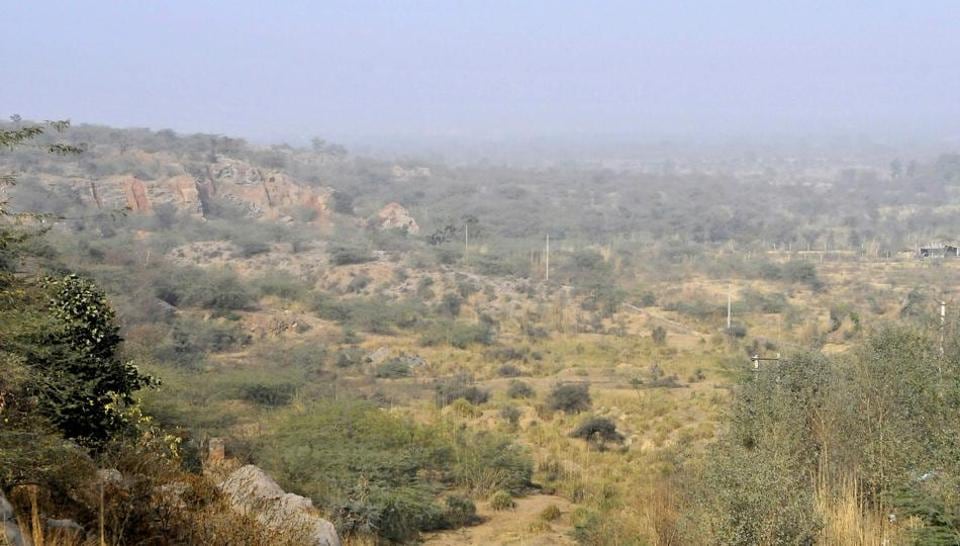
A special three-member team was formed on Monday to inspect the condition of water pits for animals. The department had identified a total of 35 water pits for animals last year.
“At the moment, these pits are located at a distance of approximately three kilometres, but our aim is to create more water bodies so that the animals do not have to walk for more than 1.5 kilometres,” additional principal chief conservator of forests Vinod Kumar said.
Forest department officials said that this was also being done to keep wildlife away from human habitations skirting the Aravallis.
Last year in May, two leopards entered Gairatpur Bas village in Sohna in search of water, both fought and one killed the other.
Officials had also discovered leopard pug marks near different water bodies in Aravalli villages last summer.
The special team will submit its report on Tuesday, after which the department will take a call on whether or not to dig additional water pits.
“After some sightings of wildlife near water bodies in Aravalli villages last year, we are determined to provide enough water this summer so that the animals are self-sufficient in their own habitat,” said Kumar.
Shyam Sundar, deputy chief wildlife warden, Gurugram, has also requested the traffic department to allow their water tankers to enter the city after they are filled in Sultanpur during the morning. “From 7am to 11am and 4pm to 8pm, trucks are not granted entry into the city. However, these are the ideal time slots to fill up the pits, so an exception made by the traffic police would help us,” he said.
This year, the wildlife department has sanctioned two additional water tankers with an added capacity of 13,000 litres to help with this task.
Officials also said that there is no scarcity of water in the forest but there are a few places where there are no pits. This forces animals to venture out of their habitats into human territories.


