
 E-Paper



A month on, let's look back and learn our lessons: NDMA
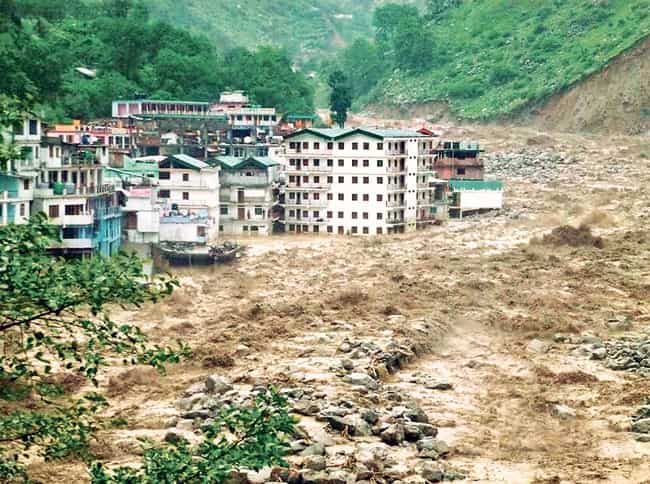
Addressing a press conference today, Uttarakhand chief minister Vijay Bahuguna refused to declare as dead the 5,748 persons missing after the June 16 calamity in Uttarakhand, saying the mission to find them will not be given up.


Addressing a press conference on Monday, Uttarakhand chief minister Vijay Bahuguna refused to declare as dead the 5,748 persons missing after the June 16 calamity in Uttarakhand, saying the mission to find them will not be given up.

However, as the deadline for finding the missing ended, he said the process of paying monetary relief of Rs. 5 lakh each to the kin of those dead and missing will begin from Tuesday.
But if the missing persons are found, the family will have to return the relief money, he said.as the search for finding the missing will go on.
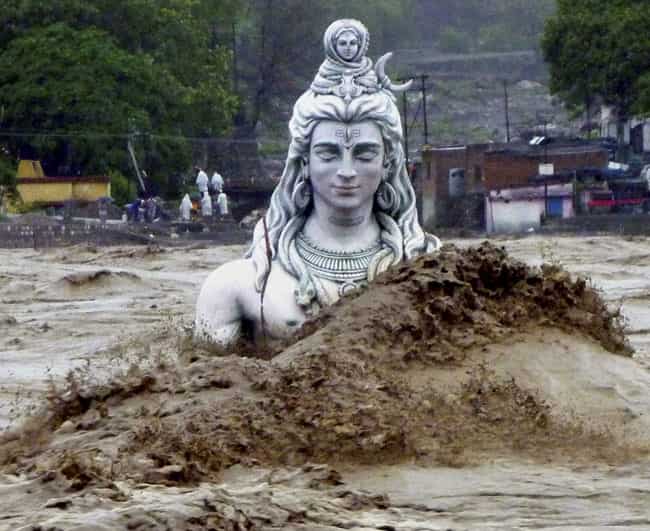
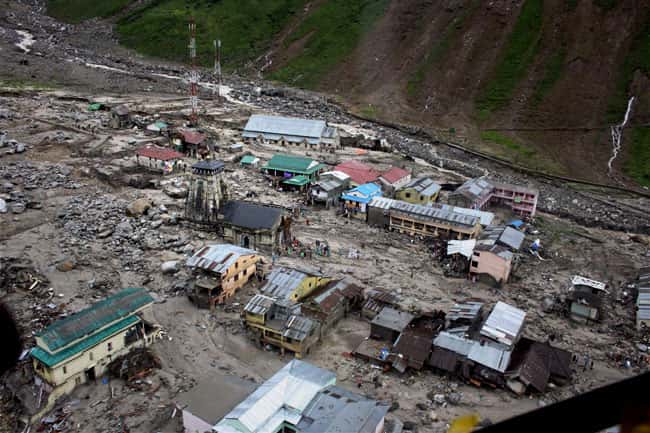
The unprecedented rain-flood tragedy that hit Uttarakhand a month ago has taught the National Disaster Management Authority (NDMA), the apex body for disaster management in India, how to better manage such natural calamities, says a top official.
"We have learnt a lot of lessons. Managing huge devastation like this is not a simple task; it is a major thing. We are planning and taking a lot of steps on precautions to be taken, of how to handle such big disasters," NDMA vice chairman M Shashidhar Reddy told IANS in an interview.
Reddy also said that the National Disaster Response Force (NDRF), which works under the NDMA, lacks a proper disaster communication network, the need for which was felt during the Uttarakhand disaster that has left hundreds dead and thousands missing.
Read more: Uttarakhand floods: devastated, locals await succour
"We want a dedicated disaster communication network. The NDRF teams were provided with 105 satellite phones, but we have asked the home ministry for a better communication system. Just like the paramilitary forces, which have their own communications system, the NDRF needs its own communication devices such as satellite phones. When everything fails, we will have satellite back-up," Reddy said.
He also said the NDMA has recommended to the home ministry that till a proper communication network is available to the NDRF, those of the paramilitary forces should be integrated with the NDRF for better disaster management.
Each paramilitary force like the Central Reserve Police Force (CRPF), the Border Security Force (BSF) , the Indo-Tibetan Border Police (ITBP) or the Central Industrial Security Force (CISF) has its own communication network.
Read more:Congress denies Uttarakhand floods are result of 'mis-governance'
Reddy said that the NDMA has forwarded a proposal for modernization of the India Meteorological Department (IMD) and the Central Water Commission by setting up world class observation and forecasting systems.
"We have already put forward a proposal for modernisation of the IMD system. Procuring various weather radars, micro-rain radars, GPS-based upper air system, surface observation equipment and lightning detection system. A heliport automated weather observation system is in the pipeline," Reddy added.
The official clarified that the disaster agency was never a "mere spectator" during the Uttarakhand tragedy.
"I want to stress that the NDMA has never been a mere spectator to any disaster," said Reddy, referring to Parliament's Public Accounts Committee (PAC) criticising the agency as a "mere spectator" during a natural or man-made calamity in the country.

Reddy said that many have not understood what is disaster management and the role of the NDMA and the state disaster management authority.
"Lots of people have not understood what disaster management is, what is NDMA and the role of NDMA, what is the state disaster management authority and their role. A lot of confusion prevails. The responsibility to respond to any disaster is with the states; the disaster management set up of every state needs to be re-looked at," he said.
He also clarified on questions raised by the PAC on why the national executive committee of the NDMA had not met for the last four years.

"There is a lack of real understanding of the whole thing. National Executive Committee (NEC) is the body to assist NDMA. NEC coordinates the response in the event of an impending disaster or a recurring disaster. There was a comment that from 2009 onwards there was not a single meeting. This is wrong; the home secretary was chairing the meetings. We had meetings on the Sikkim earthquake and other disasters.
"The 2009 meeting that is being referred to was on preparing a national disaster plan. After that there were subsequent meetings, but they were not called as NEC meetings," he said.
The NDMA was set up on December 23, 2005, in recognition of the importance of disaster management as a national priority. It is headed by India's prime minister. Its formation was first recommended following the Gujarat earthquake of January 26, 2001. After the tsunami of December 26, 2004, calls for a national body equipped to act in times of disaster became more strident.


