
 E-Paper



Lok Sabha polls: It’s a #Twitter war of words out there
In the run-up to the polls, the 140 characters on Twitter are proving to be pellets of micro-outbursts between the Aam Aadmi Party (AAP) and the Bharatiya Janata Party. Those actively firing on all cylinders on the social media may be small, but they are shaping a raucous political discourse.


In the run-up to the polls, the 140 characters on Twitter are proving to be pellets of micro-outbursts between the Aam Aadmi Party (AAP) and the Bharatiya Janata Party.
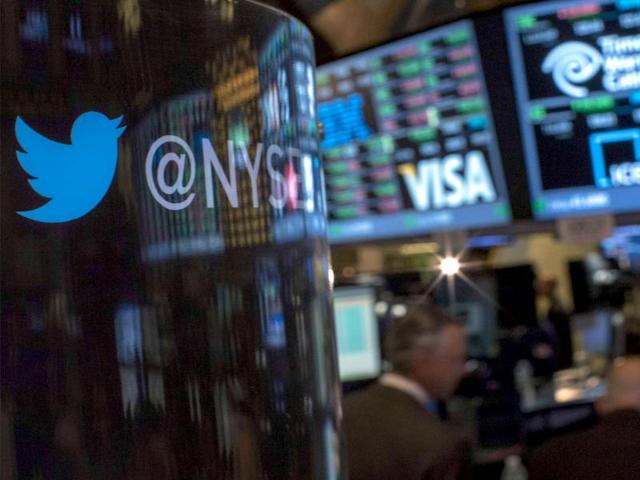
Those actively firing on all cylinders on the social media may be small, but they are shaping a raucous political discourse. And it’s just the beginning.
On Saturday, the spat between the die-hard followers of the AAP and the BJP, marked by some sharp political backbiting and name-calling, peaked on the micro-blogging site.
It was apparently precipitated by Aam Aadmi Party leader Arvind Kejriwal’s attack of Narenda Modi, Gujarat chief minister and the Bharatiya Janata Party’s prime ministerial candidate for the upcoming Lok Sabha polls.
Examples of some top-trending online vitriol include #AkasksModi, #NaxalAAP and #ViolentBJP. “This is the first election where the potential of the social media as a political tool is playing out,” said Revati, analyst with the Internet analytics firm, Indinet.
Consider this one by BJP supporter @RightWing_Rants: “Such is the terror unleashed By #NaxalAAP goons in the name of ‘Aam Aadmy’ That PWD officials are ‘scared’ to ask #Kejriwal to vacate government House.”
Or this by @kapsology: “Everyday i block 100 egg-faced abusive BJP paid trolls. Most of them has (sic) 10-20 followers. #ViolentBJP is funding online terrorists too!”
India’s 2014 ballot battle is all set to blaze through the social media world, which will likely impact 160 of the 543 Parliament seats, according to two recent surveys, making Facebook and Twitter users the nation’s newest voting bloc this time around.
These are seats where 10% of the voting population uses social media sites, such as Facebook or Twitter, or where the number of social media users is higher than the winning candidate’s margin of victory at the last election.
In these mostly urbanised seats, social-media usage is now “sufficiently widespread” to influence politics, according to the Internet and Mobile Association of India (IAMAI).


