E-Paper



Madhya Pradesh: First tigress brought to Panna delivers for 4th time
The first tigress that was brought to Panna Tiger Reserve more than 5 years ago to re-populate the habitat with big cats has delivered her fourth litter. Patrolling squad of MP's wildlife department spotted the Tigress T-1 with a cub in Madla range.


The first tigress that was brought to Panna Tiger Reserve under the ambitious programme more than 5 years back to re-populate the habitat with big cats has delivered her fourth litter. Patrolling squad of Madhya Pradesh's wildlife department spotted the Tigress T-1 with a cub on Monday in the Madla range.

The squad also succeeded in taking photograph of one of the cubs. However, officials said that the number of cubs in the litter couldn't be verified. They added that the number would be known in the next few days.
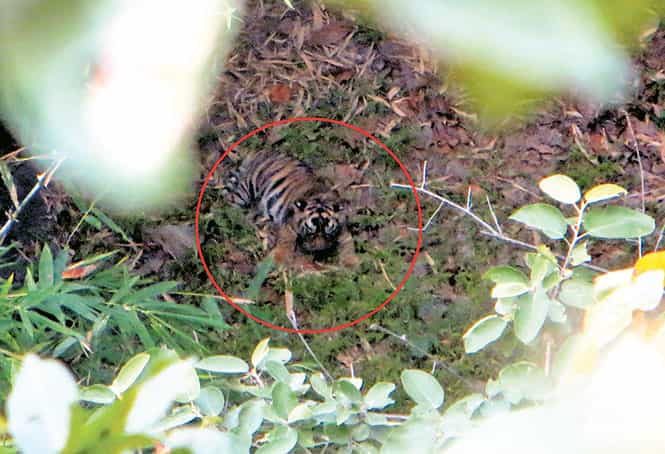
The reserve, situated in the Vindhyan ranges, is spread over Panna and Chattarpur districts in North MP. Officials said that the third litter of T-1, born in April 2014, was abandoned by the tigress within a week and nothing is known about their fate or their number.
The new addition in the tiger population has brought some cheer to the wildlife officials and tiger lovers, especially in the context of the loss of a tiger in the reserve recently.
In September this year, the famous hand-reared and re-wilded Tigress T-4 was found dead in Panna Tiger Reserve, after its radio-collar had created a festering wound which led to spread of infection.
After Panna lost all its big cats to poaching and other causes, a tiger re-introduction programme was launched in 2009 by translocating tigers from other tiger reserves of the state.
After the relocation project began, wildlife experts across the globe were sceptical about the success of the project. But they were silenced in November 2011, when tigress T4 became the world's first hand-reared feline to give birth to two cubs.
Tigress T-1 from Bhandhavgarh reserve and Tigress T-2 from Kanha National Park were brought to Panna reserve in March 2009. In April 2010, T-1 delivered her first litter of four cubs. T-1 delivered her second litter of four cubs in 2012. Two males from the first litter of T-1 have already established their territories in the reserve.