
 E-Paper



Rural tourism grows in MP village where every tribal is adept at hosting foreigners
When a 45-year-old French woman set foot in the Maraikala soil in 2010, little did she know that she was pioneering rural tourism in the village.

 Prefer HTon Google


When a 45-year-old French woman set foot in the Maraikala soil in 2010, little did she know that she was pioneering rural tourism in the village.
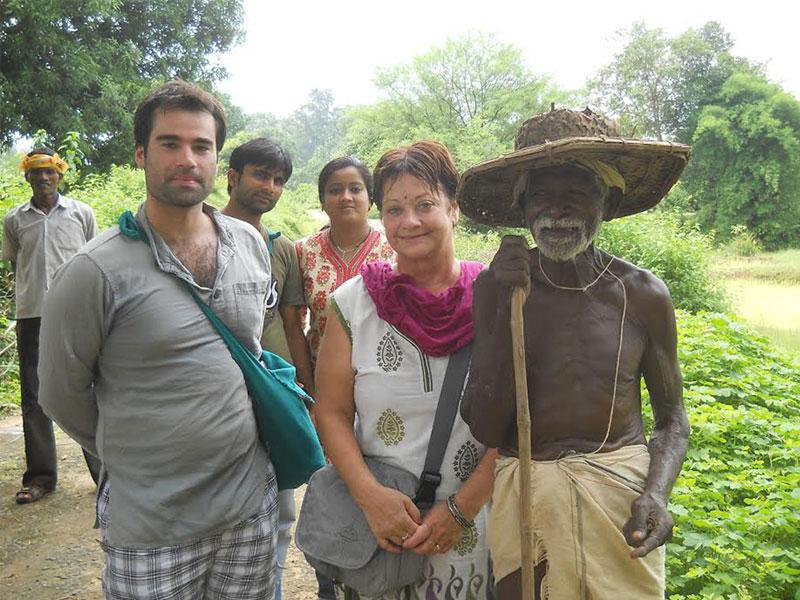
The woman, who visited the hinterland through the farmers’ union Ekta Parishad and lived with the peasants, became one of the first few foreigners to flock to Maraikala.
Ever since, this nondescript village that is nestled in the mighty hills of Bandhavgarh National Forest (buffer zone), has been attracting thousands of foreigners to its haven.
In this village, there are 81 Gond tribal families and every family is adept at hosting foreign tourists, who live with the tribals for nearly a week.
“Before a tourist visits the village, we are informed about it and we organise a meeting. A menu is prepared for the whole week and we discuss what we will do for the entertainment of the tourists,” says Ram Kali Gond, a resident of the village.
Another resident Kalsotia Gond says they use farm produce to make food for the tourists.
“We use vegetables which we grow in the farms. Nothing except sugar is purchased from the market,” he says.
According to Jaywanti, another resident of the village, most of the tourists enjoy tribal food, ladoos made of mahua, mahua puri and other jungle food.
The villagers have come together to build mud houses and toilets for the tourists.
One of the tribals Sunkhiya says the foreigners want to live in mud houses and eat food that has less spice and salt.
According to the residents, alcohol, non-vegetarian food and cigarettes are not allowed in the village.
The money that the tribals earn from every visit is deposited in the account of a self -help group of the village and distributed among the members.
“Each family earns a handsome amount of Rs 3,000-5,000 in each visit,” adds Jaywanti.
The foreigners also play with the tribals and engage in rural activities such as farming and gazing.
Till now, more than 350 tourists from different cities, including France, Switzerland, Poland, Canada, USA, have lived in the village.
France-based non -governmental organisation Tamadi, which promotes rural tourism, encourages foreigners to visit the village with the help of Manav Jeevan Vikas Samiti and Ekta Parishad.
Tamadi has also recruited a guide and a translator for the tourists.
Yann Forget, who works as the translator, says tourism usually has bad consequences on the local landscape, damages the environment, leads to social and economic exploitation.
Forget says the locals usually get only menial jobs while the profits go to big companies that organise these trips.
According to Forget, tourists usually have fewer interactions with locals except waiters, porters and taxi drivers.
“The concept here is to reverse the situation: maximise interactions and minimise potential damages. The tourism is managed by the villagers themselves.
Besides, this concept is being practiced in several countries such as Mali, Turkey, Madagascar, Tanzania, Tunisia, etc. This has also allowed direct exchanges between the people of these countries,” he says.
Recently, state chief election commissioner R Parasuram visited Maraikala and appreciated the villagers.
Impressed by the success of the village, other Gond tribal villages such as Samarkoini and Kilhari have also begun promoting rural tourism.
-kW0H-U20214218012MgB-250x250%40HT-Web.jpg)


