
 E-Paper



A Lost Generation playlist: Check out K Narayanan’s top five tracks that capture the mood of the 1920s
Updated on: May 30, 2025, 14:41:49 IST

 Prefer HTon Google
Share via


Copy link

A children's tale narrated by David Bowie, a relationship played out as a song, one of the first published pieces of jazz music… take a listen.
The piece that redefined classical music for a new century, The Rite of Spring caused a riot when it was first performed. The recommended version: the 1960 one with Stravinsky conducting the musicians of the New York Philharmonic (calling themselves the Columbia Symphony Orchestra).
.
* Duke Ellington, Mood Indigo:
From the Duke's days playing at The Cotton Club in Harlem, Mood Indigo was a piece composed specifically for broadcast. Initially titled Dreamy Blues, the song was renamed after a rapturous response to its first performance, broadcast over the radio. Recommended recording: The 1931 version on the internet archive, with Ellington and his Cotton Club orchestra.
.
* Jelly Roll Morton, Jelly Roll Blues:
Ferdinand LaMothe was disowned by his great-grandmother for playing piano in a brothel. He changed his name to Morton to protect the family name from the sin of the "devil music" that he loved. Originally recorded as a piano solo in 1924, this was one of the first published pieces of jazz music.
.
* Cole Porter, Night and Day:
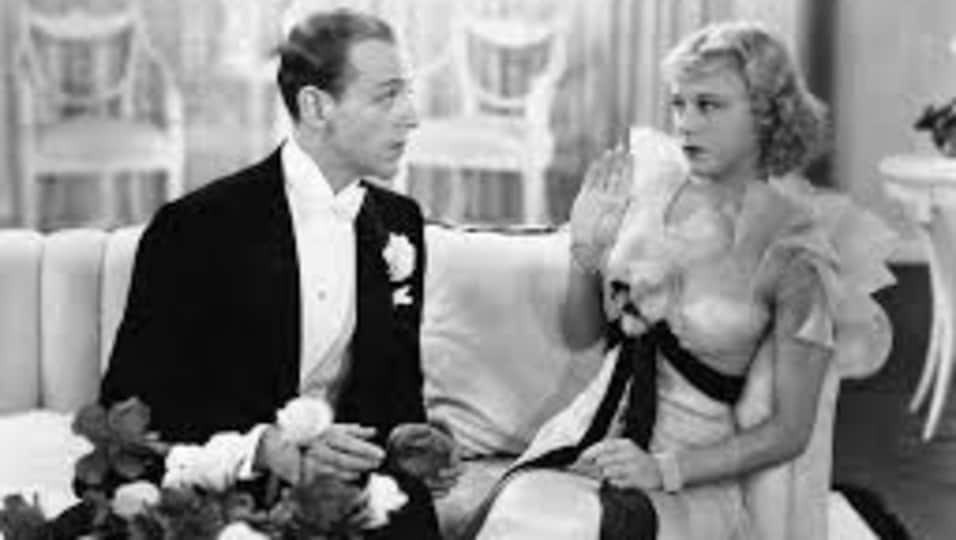
One of the greatest entries in the Great American Songbook, Cole Porter's Night and Day was recorded in 1932. Recommended Version: The one above, a clip from the 1934 movie The Gay Divorcee, in which Fred Astaire and Ginger Rogers play out an entire relationship to the song, and dance.
.
* Sergei Prokofiev, Peter and the Wolf:
Prokofiev wrote better pieces, but this one is probably, along with Twinkle Twinkle Little Star, the most famous piece written for children. Recommended recordings? Take your pick from a range of narrators: Basil Rathbone, Sean Connery, John Gielgud, David Bowie (above), or the superstar team of Mikhail Gorbachev, Bill Clinton and Sophia Loren.

Explore the latest Lifestyle News on health, fashion, travel, relationships, food and festivals. Find useful tips, expert advice, trends and inspiring stories for everyday living.


