
 E-Paper



Eco-friendly office interiors: A blueprint for designing sustainable workspaces

 Prefer HTon Google


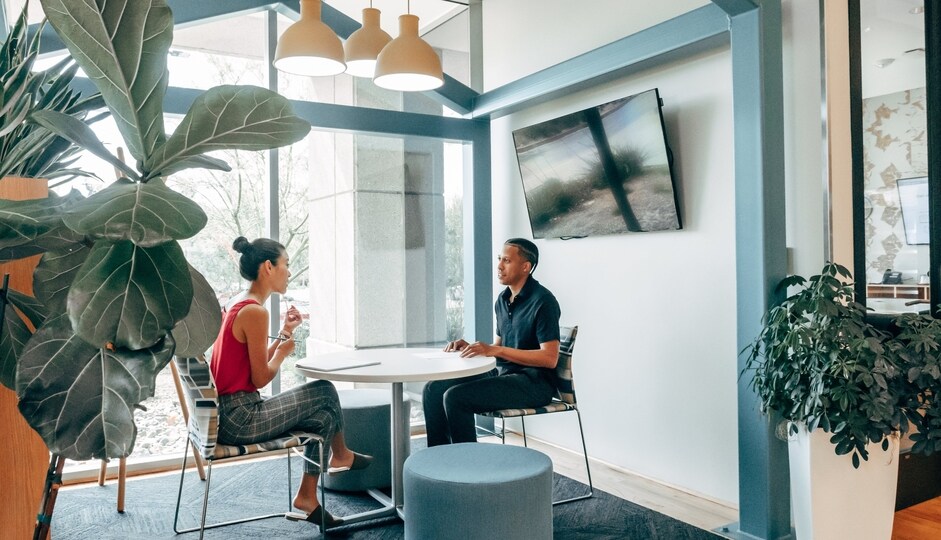
Interior design and decor expert suggests 5 ways one can transform their workspaces for a greener tomorrow
Sustainable workspaces have become imperative in the modern business landscape, serving as a response to environmental challenges. According to a report by Adobe, 41% of executives ranked sustainability at the workplace as one of their top three metrics for business success.
By prioritising sustainability, these workplaces not only reduce ecological footprints but also enhance brand reputation and image, appealing to environmentally conscious consumers and investors. Furthermore, the allure of conscious workspaces extends to talent attraction, as companies that are environmentally friendly are more appealing to today's workforce.
In an interview with HT Lifestyle, Manisha Bajaj, Associate Director for Design Studio at WeWork India, suggested 5 ways one can transform their workspaces for a greener tomorrow -
- Optimise energy usage: Streamline energy usage in your workspace by investing in efficient lighting systems with sensors. These lighting systems contribute to energy savings by adjusting illumination based on occupancy and natural light levels. They can detect the presence of individuals in a space and adjust the lighting accordingly. By responding to real-time conditions, these smart lighting systems prevent unnecessary energy consumption, reduce electricity usage and contribute to overall sustainability efforts in the workplace.
- Green break rooms: Creating green break rooms involves purposeful design to provide employees with relaxing and environmentally conscious spaces within the office. These areas are designated for rejuvenation, fostering a sense of well-being amidst the demands of the workday. By integrating nature-inspired aesthetics, like potted plants or living walls, green break rooms bring the outdoors inside, promoting a calming atmosphere.
- Waste Reduction Strategies: Effective waste reduction strategies can play a pivotal role in shaping a green and sustainable workspace. By implementing comprehensive recycling programs that cover paper, plastic, and electronic waste, you can significantly reduce your carbon footprint. Encouraging the use of reusable and biodegradable materials further enhances eco-friendliness. By prioritising waste reduction, businesses not only contribute to a healthier planet but also foster a culture of environmental responsibility among employees, creating a workspace that stands as a beacon of sustainability.
- Sustainable Office Furniture: Investing in sustainable office furniture entails a strategic approach to interior design, emphasising environmental responsibility and adaptability. Opting for furniture crafted from recycled or responsibly sourced materials is a key step in minimising the environmental impact associated with manufacturing. Thus businesses can contribute to a more eco-friendly workplace while fostering a culture of responsible consumption and design adaptability.
- Efficient Space Planning: Efficient space planning involves strategic layout designs that optimise functionality and flow within the workspace. By thoughtfully organising furniture, workstations, and communal areas, the design maximises the use of available space, creating an environment where every square foot serves a purpose. Additionally, promoting resource-sharing initiatives within the planned space ensures a more collaborative and adaptable workspace.
Manisha Bajaj concluded, “In the face of pressing environmental challenges, the shift to conscious workspaces is a necessity, not just a choice. The imperative lies not just in acknowledging environmental consciousness but actively implementing eco-friendly practices. The aforementioned strategies measurably reduce environmental impact and instil a culture of responsibility within workplaces. This concerted effort aligns workspaces with present values and fuels a vision for a more sustainable tomorrow.”


