Did you know that all teas — white, green (including matcha), black, oolong and pur-eh — come from the same plant? That plant is the Camellia sinensis. The processing of its leaves is what makes all the difference. Swetha Sivakumar explains.
White tea is made from younger leaves and buds than is green tea. This is supposed to be a delicate and expensive tea, with more of an emphasis on aroma than taste.
(Shutterstock)
In green tea, the freshly cut leaves are withered then heated to stop the enzymes from acting, then dried. Green tea offers contains antioxidant properties.
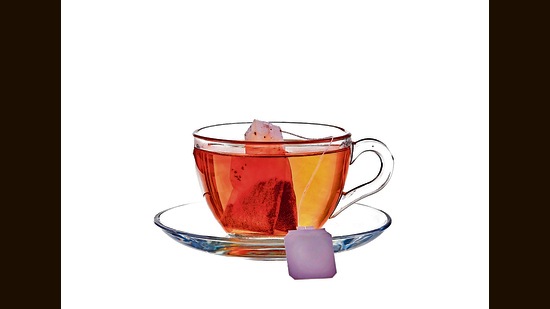
Black tea is made by repeatedly bruising and oxidising tea leaves to develop complex flavours, before drying. This converts the taste of the leaves from a grassy, green flavour to an earthy, brisk one. They’re called black but these teas are typically a coppery brown.
Oolong falls somewhere between green tea and black since it is partially oxidised and then rolled. Unlike green tea, which a lot of people drink rather grudgingly for health reasons, oolong has a pretty outstanding flavor.
Pur-Eh is aged tea that can be kept longer than any other tea. This one is definitely an acquired taste. The tea boasts of many health benefits, but as with aged cheeses, has a strong and distinct flavour that is certainly an acquired taste.
Finally, matcha is powdered green tea that is made by covering tea leaves with shade for a few weeks before harvesting, to retain their bright green. Matcha tea is ground and whisked into the liquid, so you can get quite a caffeine hit. Its beautiful green colour makes for unusual desserts, when it is included in tarts, cupcakes, chocolate, milkshakes etc.
What about herbal ‘teas’? Those that do not contain any tea should technically be called tisanes. Chamomile is chamomile, for instance; it is not tea just because one mixes it in hot water. But the very act of steeping leaves in hot water has come to be considered tea-related, and so we continue using that word.

 E-Paper