
 E-Paper



In photos: Step into the whimsical world of the Moomins

 Prefer HTon Google


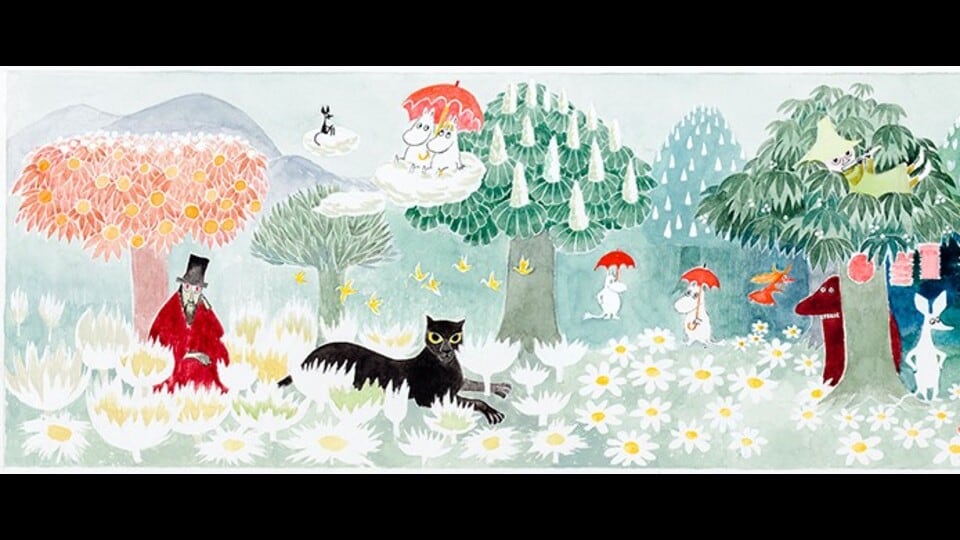
It’s been 80 years since the first Moomin story, about a family of gentle trolls forced to find a new home. They are now on planes, in memes. Take a look.
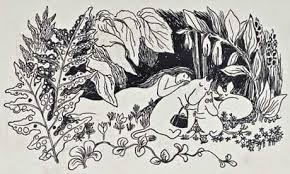
In 1939, Tove Jansson, already a published author, illustrator and cartoonist at 25, found herself facing up to the reality of World War 2. “It felt completely pointless to try to create pictures... I suddenly felt an urge to write down something that was to begin with ‘Once upon a time’... What followed had to be a fairytale… but I… (avoided) princes, princesses and small children and chose instead my angry signature character… and called him the Moomintroll,” she wrote, in the introduction to the first in the series, The Moomins and the Great Flood (1945).
.
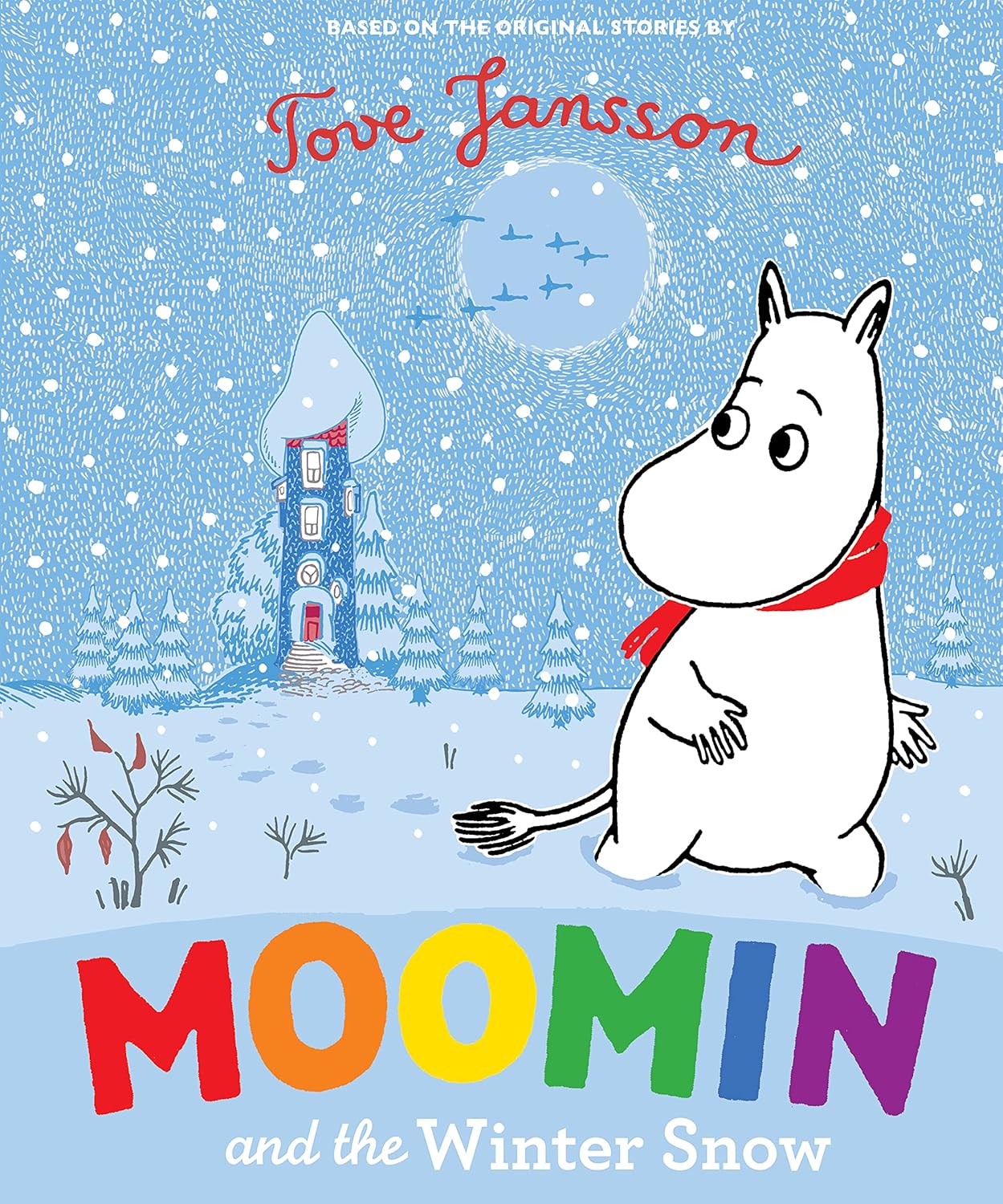
What followed was a series of six novels, all featuring the adventures of the Moomins, which were small, soft, hippopotamus-like trolls. Key characters were the young Moomintroll; the affectionate and capable Moominmamma; the adventurous Moominpapa; cowardly little Sniff, Moomintroll’s companion; carefree Snufkin, a thinker and wanderer; and Hemulen, the collection-obsessed family friend.
The novels were so popular that picture books followed, such as the one above; as well as a syndicated comic strip that, at one point, ran in 120 newspapers across 40 countries.
.
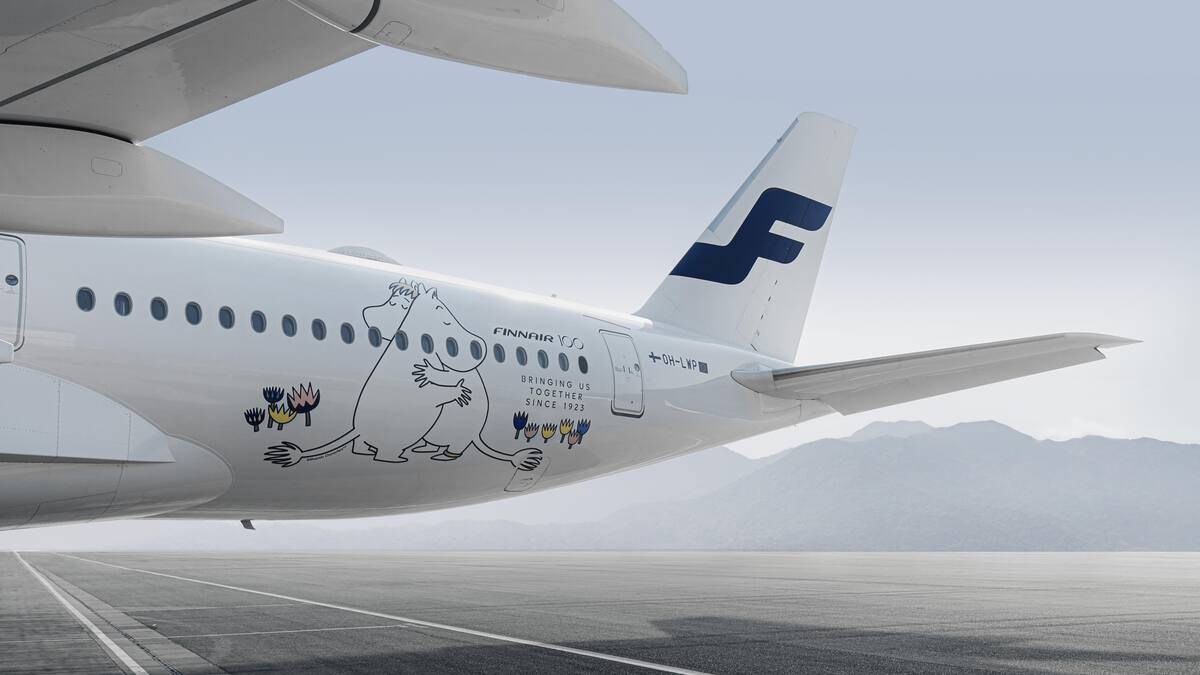
The books are still incredibly popular in Jansson’s native Finland, as well as in Japan. Finland still boasts of numerous Moomin cafes, and a museum devoted to Jansson and her creatures. Some Finnair planes (above) have her characters painted on their sides. And the Moomin World theme park is one of the country’s biggest tourist attractions.
.
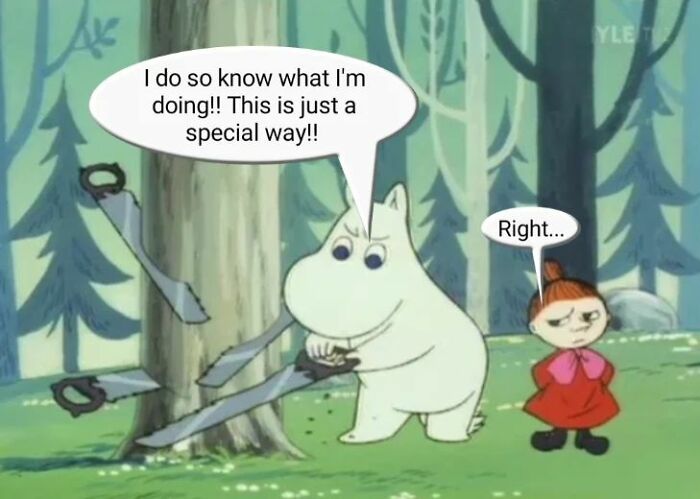
Today, many young readers also encounter the creatures in memes. To its fans, Moominvalley is a safe space. Storms and comets may come and go but there is always room for kindness and gentle humour, and order is always restored. This mood permeates the memes as well.
.
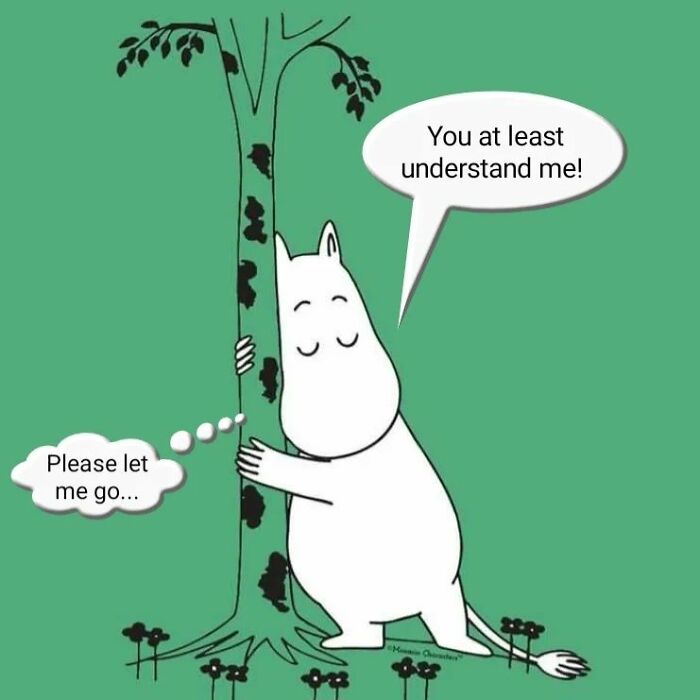
(Above) Another meme based in the whimsical universe. Moominvalley was intended as a happy place. But in another theme resonant today, Jansson’s creatures were also occasionally cast as migrants, searching for a new home, mourning lost loved ones.
.
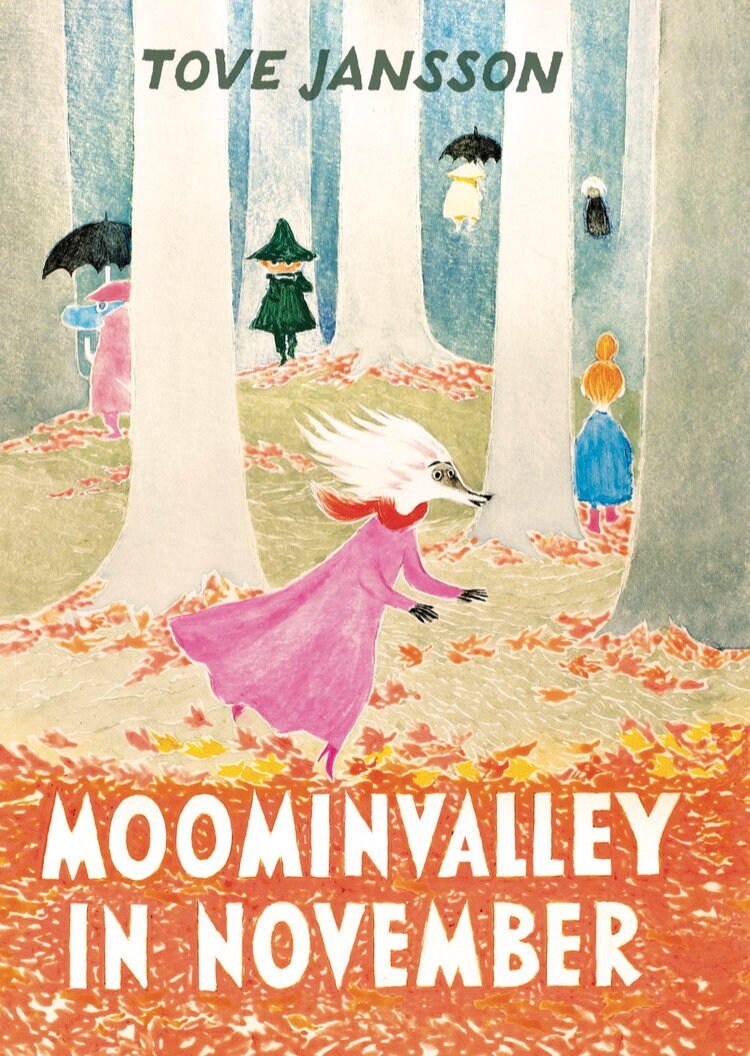
The sense of loss would intensify, and a feeling of absence permeates Moominvalley in November. Published in 1970, the year of Jansson’s mother’s death, the book aches with poignancy. Jansson would not return to Mooninvalley, though she lived for decades more. There would be no more Moomin novels after this one.


