E-Paper



Priya Malik on bidding farewell to 'Ishq Hai': ‘Every beautiful chapter deserves a meaningful closure…’

 Prefer HTon Google



In an exclusive interview with HT Lifestyle, Priya Malik spoke about the final chapter of ‘Ishq Hai,’ her evolving relationship with poetry.
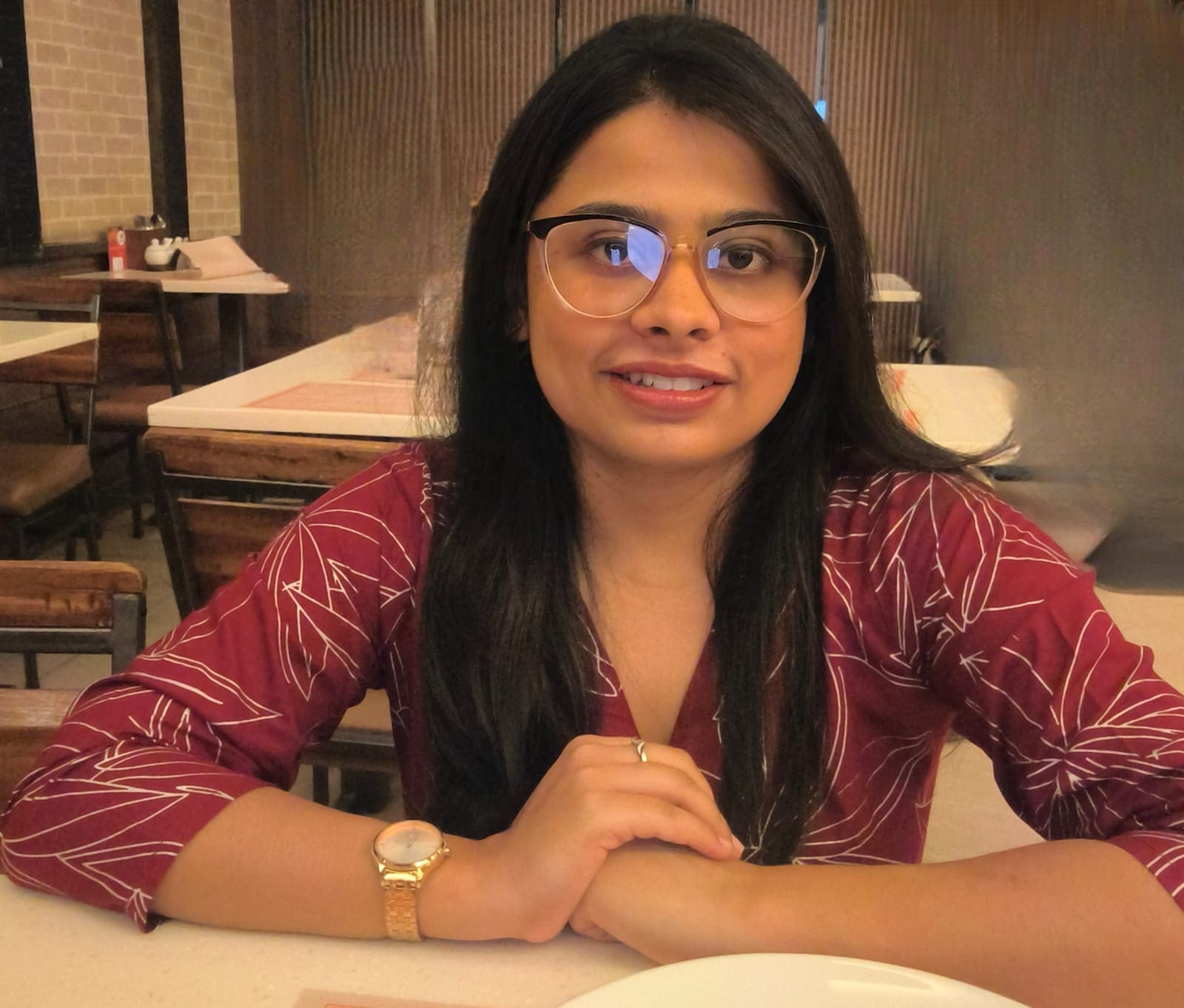
Hailing from Dehradun, Priya Malik is an Indian actor, poet and storyteller, popularly known for her poetry and musical storytelling show Ishq Hai, which is set to come to an end in a few days. She is currently on a 21-city farewell India tour of her critically acclaimed show, ‘Ishq Hai: The Final Chapter.’ In an exclusive interview with HT Lifestyle, Priya Malik revealed why she chose to bring Ishq Hai to an end and opened up about love, healing and making poetry relevant in the age of reels.
Also read | How Gunjan Saini went from AIIMS nurse to popular poet: ‘I want people to feel seen and heard’
Priya Malik on ending ‘Ishq Hai: The Final Chapter’
‘Ishq Hai’ is not just another poetry show; it is a story that touched thousands of people and resonated so deeply that it eventually became a part of every listener’s own story. When asked why she chose to bring the show to an end, Priya Malik said that every beautiful chapter deserves a meaningful closure. “It is beautiful to end and give a beautiful full stop to a beautiful sentence. I felt that it was time that we say farewell to this show and start working on a new show. I think this needed a full closure from me,” she said.
For Malik, ‘Ishq Hai’ holds a very special place in her heart. “It starts with an idea of home and ends with the idea of finding a home right within and in someone else. It feels like a homecoming to me,” revealed Priya.
“This show has evolved a lot in the past three years and has shown me the power of love. When I started, it was a narration of my own journey, but eventually it became everyone else’s story,” expressed Malik. There can be nothing more beautiful to happen with art when it is no longer just the artist's art; it becomes the audience's art as well.
Why does poetry still matter in the age of 30-second reels?
In a world driven by technology and quick 30-second videos, having the patience to listen and embrace a two-hour-long poem seems challenging. According to Priya,
“There is something I call the ‘gateway line’, which is the first few lines of a poem. I think that is so important in this day and age because you have to capture someone’s attention right away. You can call it the hook of a reel or give it different names, but I call it the gateway into the poem because that is what it is.”
Misconceptions about poetry
After performing for decades, Priya highlighted that most people assume that poetry is boring. “But the fact that it has been picked from a page to the stage, the whole idea is to make sure it is not boring,” added Malik. Spoken word poetry is different from stage poetry. “The poetry that I do is not a poem that you read in books; it is performance poetry, which has its punchlines, humour, and more, and is meant for a live audience,” elaborated Priya.
The lessons poetry carries beyond the stage
Poetry is more than just a combination of words spoken in the most relatable way. At times, it can teach us about love, life and relationships in ways that reality cannot.
On sharing what poetry has taught her about love and life, Priya Malik said, “I think poetry taught me to dream more, which real-life relationships can’t. In real life, you get caught up in the practicality of everyday life. But when your expectations of love are created from the foundation of literature, they go beyond the practicalities of everyday life. I think if I had not grown up believing so much in poetry, stories and novels, my standards would have been a lot lower. So, yeah, it taught me to raise my standards.”
How does healing shape Priya Malik’s poetry and writing process?
It is often believed that those who suffer write the best poetry, but Priya Malik has a different take on the creative process. “I personally like to write after something happens in order to heal from it. So, my writing process is somewhere in the middle. I can’t write when I’m experiencing something because part of my brain is recording the experience, knowing that I’m going to write about it in order to heal from it. I only write about things after I have processed the grief, happiness or joy. Then I begin the writing process, and once I have performed it, the full circle has happened. That’s when the healing has taken place,” she said.