
 E-Paper



The nine lives of Cat Power: Sanjoy Narayan writes on a shape-shifting artist

 Prefer HTon Google


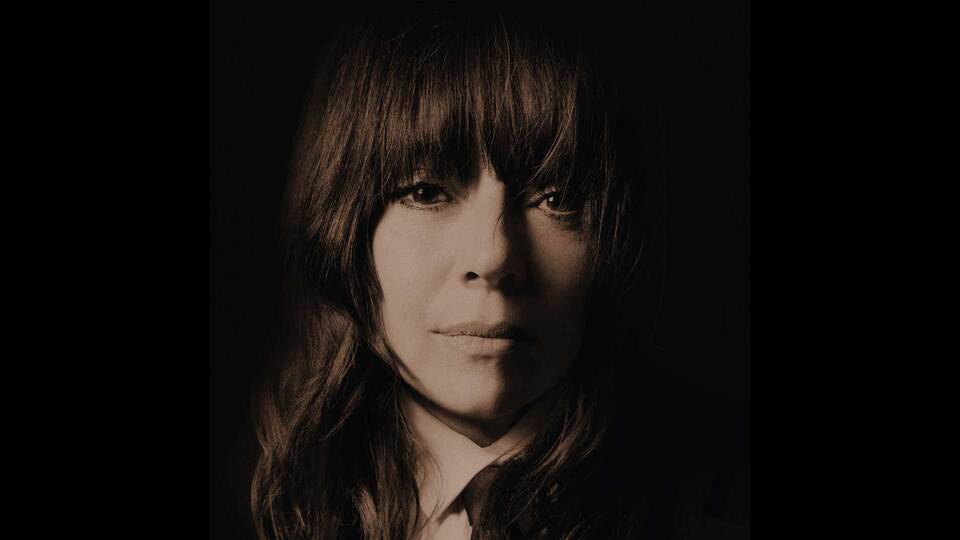
Now 53, Chan Marshall aka Cat Power is more structured, more intentional and yet no less enigmatic an artist. Trace her evolution through a 15-song playlist.
Two months ago, Chan Marshall (the American singer-songwriter better known as Cat Power) was touring Europe with her Cat Power Sings Dylan ‘66 tour, recreating Bob Dylan’s legendary 1966 Royal Albert Hall concert, complete with the same acoustic-to-electric arc that scandalised folk purists nearly 60 years ago.
For Marshall, it’s been a remarkable journey to this point. As musician and actor Carrie Brownstein recently wrote in The New Yorker, Richard Avedon’s iconic 2003 photograph of her — cigarette in hand, holding a Bob Dylan T-shirt askew over a bare torso, jeans left half-unzipped — captured an artist seemingly indifferent to the grandiosity of being featured in this magazine.
That image, from a chaotic period in Marshall’s life when The New Yorker famously declared it was “foolhardy to describe a Cat Power event as a concert”, feels like a distant memory. Today, Cat Power is 53, more structured, more intentional, yet no less enigmatic as an artist. Let’s trace the evolution through a 15-song playlist.
Our journey begins with The Greatest (from The Greatest; 2006), not just her most beloved song but a powerful declaration of arrival. It marked her emergence from years of addiction and erratic performances. Her newfound vocal confidence announced an artist who had survived her demons and was ready to claim her space. The song is anthemic without being triumphant, a quintessentially Cat Power paradox.
Next, we encounter the artist as the interpreter, in Manhattan (Sun; 2012). Her version of this Lorenz Hart standard strips away Broadway’s glitter, leaving only urban isolation. Marshall doesn’t merely cover songs; she performs autopsies, unearthing the emotional viscera beneath familiar melodies.
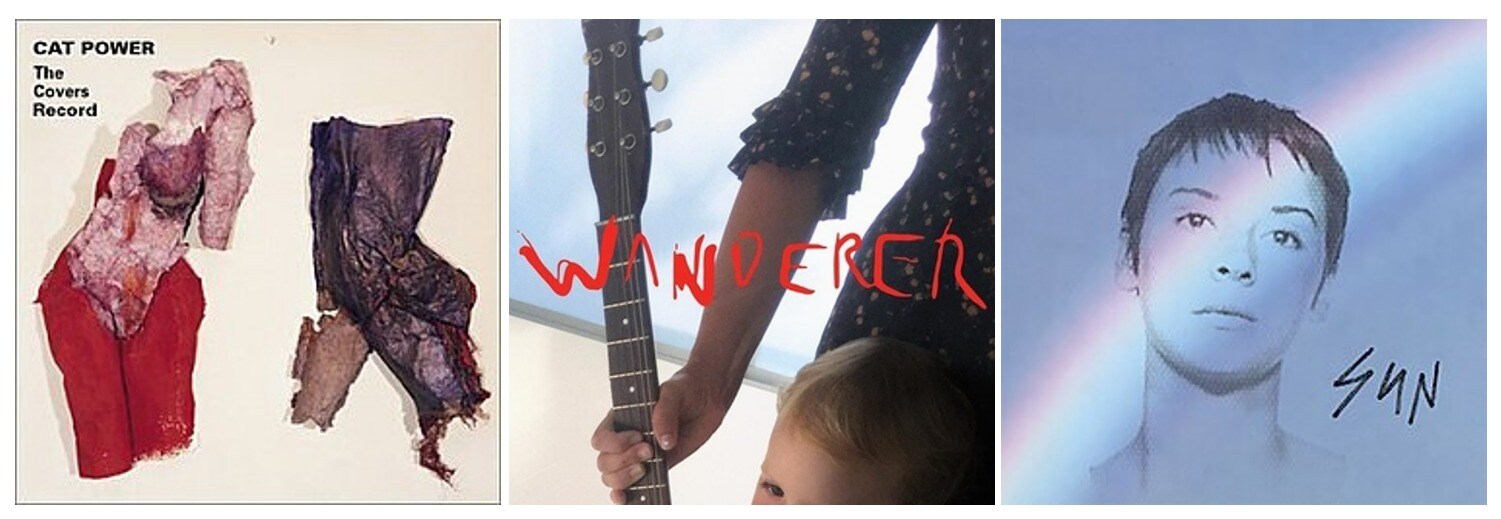
Sea of Love (The Covers Record; 2000), reflects this excavation too. Phil Phillips’s 1959 doo-wop hit is transformed into something dangerous in her hands — seductive, predatory, like Nina Simone channelling a siren. This reveals Marshall’s unique gift: making the familiar foreign, and the safe scary.
Rewind a bit more now, for early originals such as Cross Bones Style (Moon Pix; 1998) and He War (You Are Free; 2003). These tracks transport us to her lo-fi beginnings, when she was still finding her voice, literally and figuratively. They are documents of survival as much as songcraft, capturing an artist processing trauma in real-time, her whispered vocals barely holding together over sparse instrumentation.
I Don’t Blame You (You Are Free; 2003) and Cherokee (Sun; 2012) represent highpoints. The former is perhaps Marshall’s most vulnerable song, a direct address to an absent father (also a musician) that feels intimately voyeuristic:
“Last time I saw you, you were on stage /
Your hair was wild, your eyes were red /
And you were in a rage /
You were swinging your guitar around. /
Cause they wanted to hear that sound /
But you didn’t want to play. / And I don’t blame you…”
Cherokee stretches over nearly seven minutes of hypnotic repetition, Marshall shaman-like, channelling something ancient and indefinable.
Her nomadic childhood, moving between 10 different schools across the American South, often in her grandmother’s care, listening to Otis Redding and The Rolling Stones, deeply permeated her music. This rootlessness created an artist equally at home with American folk traditions and punk rock rebellion.
Metal Heart (Moon Pix; 1998) marks a transition into Marshall’s significant covers period. Her interpretation transforms this obscure track into a David Lynchian soundscape: beautiful and unsettling. It is followed by Good Woman (You Are Free; 2003), proving her ability to craft compelling narratives as well as abstract emotional landscapes.
The inclusion of Werewolf (You Are Free; 2003) — her take on Greenwich Village folk icon Michael Hurley’s classic — demonstrates Marshall’s knack for finding kindred spirits across decades. Like Hurley, she was an outsider. Her version feels like a conversation between musical misfits united by non-conformism.
Now for the playlist’s final third. Maybe Not (You Are Free; 2003) holds early signs of what we see in Marshall’s more recent work, where sparse arrangements give way to more conventional song structures without losing the essential Cat Power DNA. Here we see an artist who has learned to harness her chaos without domesticating it.
Names (You Are Free; 2003), Lived in Bars (The Greatest; 2006) and Woman (Wanderer; 2018) trace her evolution from wounded confessor to wise sage. After grappling with alcoholism and mental-health issues, culminating in rehab at the Mount Sinai Medical Center in 2006, she emerges with hard-won wisdom.
The journey concludes with Satisfaction (The Covers Record; 2000), a glacial reimagining of the Rolling Stones classic. Where Mick Jagger’s version was sexual frustration as rock-and-roll rebellion, her is an existential meditation. It is a perfect metaphor for her entire artistic project: taking the familiar and making it strange, finding darkness in the light and light in the dark.
Marshall’s Dylan tour represents a kind of homecoming, not only to the folk traditions that shaped her but to a version of herself that can inhabit his revolutionary spirit without being overwhelmed by it.
Like Dylan in ’66, Cat Power has always been an artist in transition, refusing categorisation. The key difference is that while Dylan’s changes often felt like provocation, hers feel like survival strategies. In a career defined by covers and originals, chaos and control, vulnerability and power, she created a body of work that functions as both mirror and mystery, reflecting our experiences back to us while maintaining an essential inscrutability.
That’s the true power Marshall wields: the ability to make us feel less alone in our confusion, more comfortable with our contradictions, and more willing to embrace the beautiful mess of being human.


