
 E-Paper



Traditional toys and where to find them


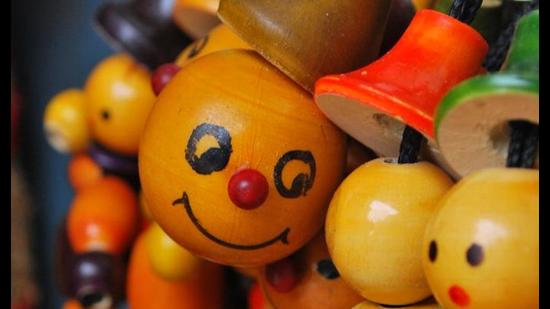
India’s traditional toy clusters offer variety, colour, local myths and eco-friendly materials. But they’re dwindling fast. Take a tour of those that survive.
Almost anything can be a toy, and in India, the range of traditional materials and moulds is immense. Folk toy traditions include animals made from leather, figurines from terracotta, puppets from betel nut and cloth. Done right, these remain some of the most eco-friendly toys possible. The materials were traditionally sourced locally; paints were natural dyes.
Sadly, brightly coloured plastic has replaced most of these in the mainstream markets. Where entire villages once flourished by making such toys, now only small clusters survive, their toys sold as souvenirs or collectibles. Take a look at some of the toy-making communities that remain.
Kinnal, Karnataka
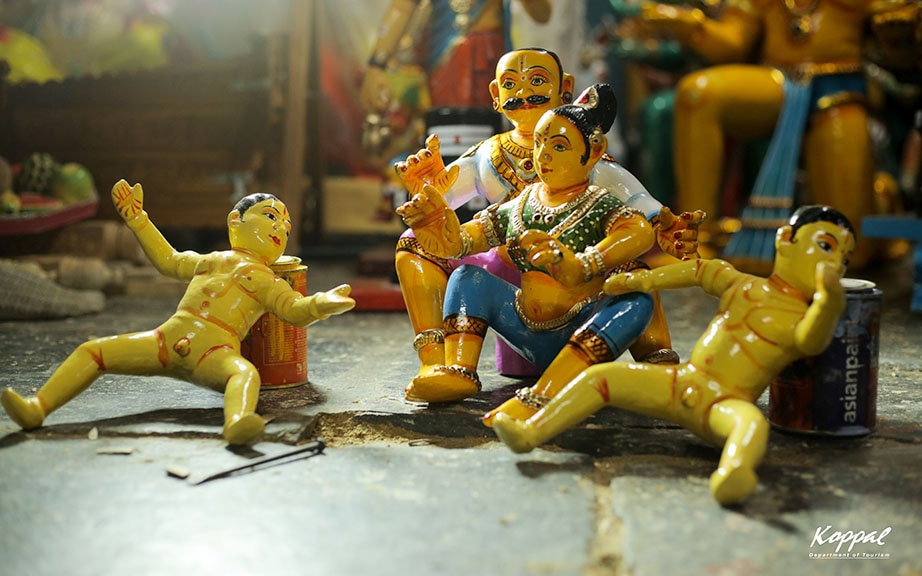
Not far from the ancient temple town of Hampi, Kinnal’s toys are exquisite carvings in wood, aided by a host of other materials such as tamarind seeds, pebbles, jute, sawdust and liquid gum used for embossing and ornamentation. The Kinnal artisans’ ancestors are said to have been responsible for the intricate woodwork visible across the 14th century Vijayanagara empire. Kinnal toys typically depicted people in different traditional occupations.
.
Nirmal, Telangana
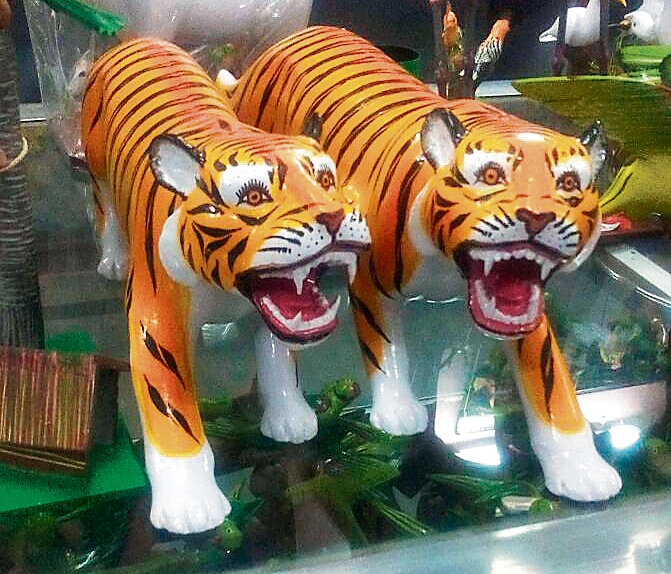
Toys in Nirmal were traditionally made using sandalwood and coated with a plant extract that give them their characteristic golden sheen. Crafted by Naqqash artisans said to have roots in Rajasthan, these toys are typically human and mythological characters, as well as animals. The Nirmal paintings and furniture are derived from the same tradition, patronised by a local 17th-century chieftan named Nimma Naidu.
.
Channapatna, Karnataka
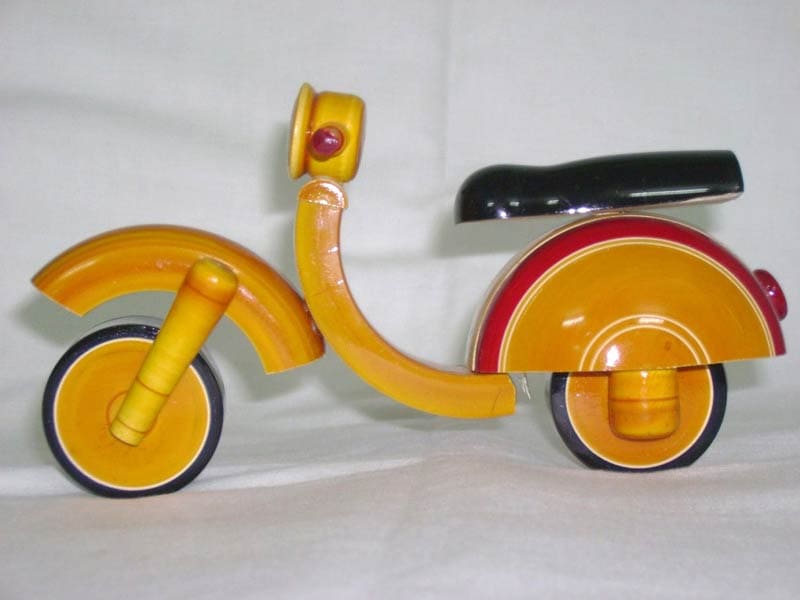
Traditionally fashioned from soft ivory wood, Channapatna toys include rattles, tops and stackers known for their light weight, soft edges and bright colours (from lacquer-based dyes). The Channapatna toys are said to have originated and flourished during Tipu Sultan’s rule, in the 18th century.
.
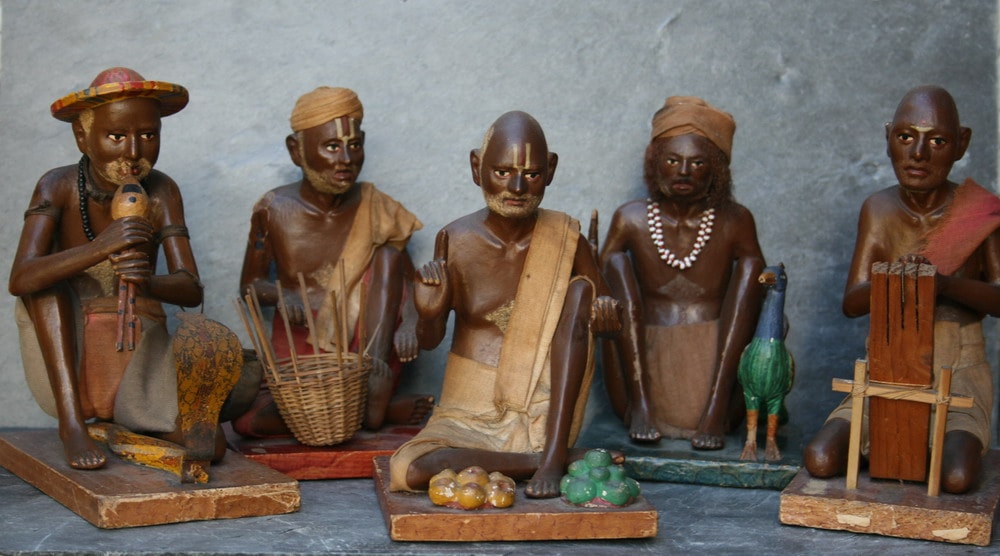
Krishnanagar, West Bengal
This is the centre of production of the realistic Krishnanagar clay dolls. The clay artisans here are said to have migrated over 250 years ago from present-day Dhaka in Bangladesh, on the summons of an 18th-century chieftain named Krishnachandra. They were later patronised by local zamindars and the British. Traditionally the toys were made by the women and represented social scenes, animals and deities.
.
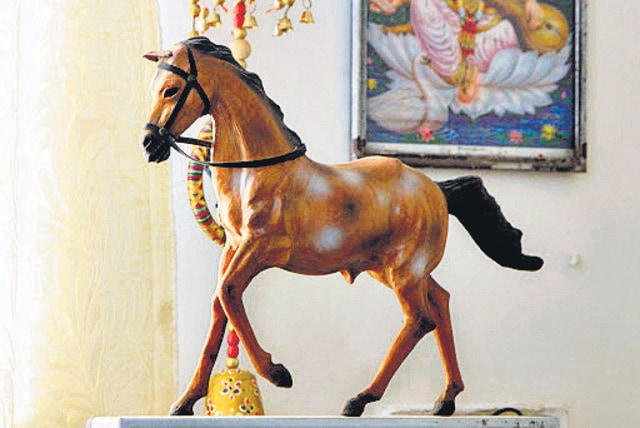
Leather toys of Indore, Madhya Pradesh
These are miniature animals in various states of motion. There are tigers, horses, elephants and monkeys, hippos, rhinos, giraffes and kangaroos. This tradition uses leather-moulding techniques said to have evolved from taxidermy. Shredded paper moulds bound by wire and thread are covered in sheepskin to give the toys their muscular look.
.
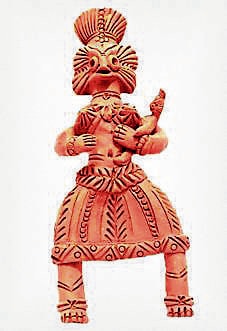
Asharikandi, Assam
This craft village is known for making the intricate Hatima doll (above), a mother with elephant ears, holding two infants, Other popular toys made here are the Ainar horse, elephant, rhino and a host of mythical figures. Business picks up during local festivals and fairs.
.
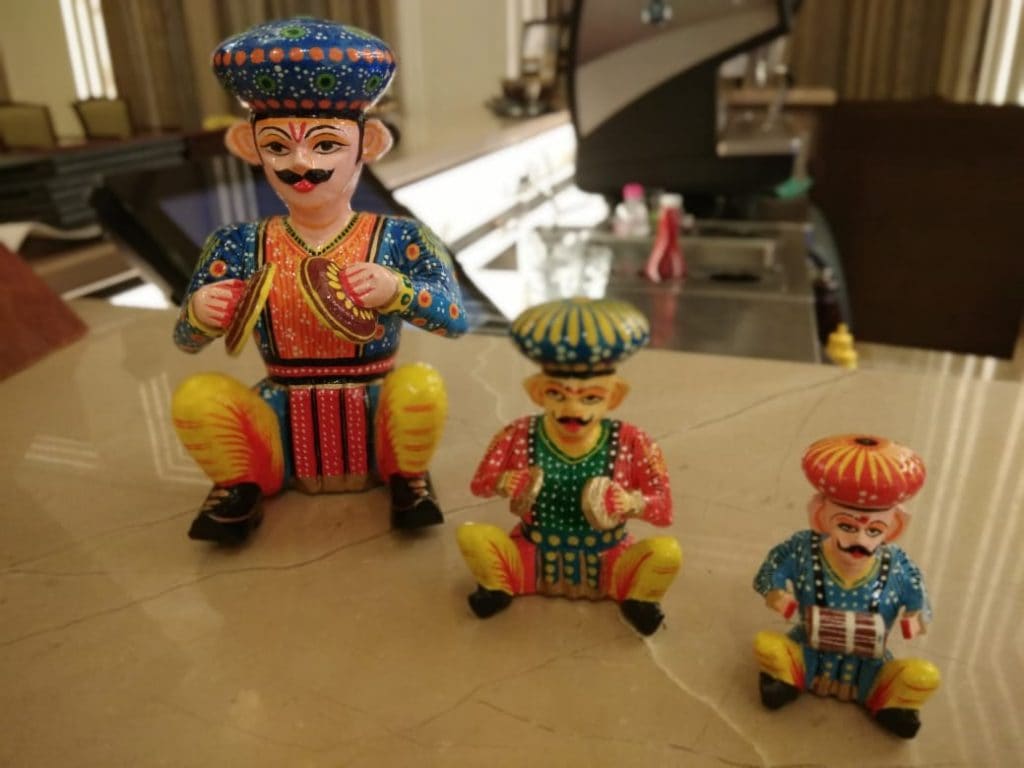
Varanasi, Uttar Pradesh
The artisans in Varanasi will tell you that their forefathers worked in ivory, and were patronised by the Mughals. After ivory was banned in the 1990s, these artisans took up wood carving and turning. They specialise in making complex toys without joints, often representing characters from Hindu mythology.
.

Thanjavur dolls, Tamil Nadu
This is the traditional Indian bobblehead, made from terracotta. These dancing dolls date back to the reign of Thanjavur ruler Sarabhoji II Bhonsle, in the early 19th century. They typically depict dancing figures and come in male-female pairs. In the roly-poly versions, the centre of gravity is concentrated in the bottom, which gives the dolls their oscillating movement.


