
 E-Paper



A brief history of time
This year’s edition of the Tata LitFest’s Independence Lecture is a tribute to its founder, Anil Dharker, and the intertwining of arts and science


“If you’re going to live, leave a legacy. Make a mark on the world that can’t be erased,” said author Maya Angelou.
Anil Dharker lived up to Angelou’s exhortation. The former journalist was a prominent literary figure who has left a legacy for others to enjoy in the form of the Tata Literature Festival, one of India’s biggest literature festivals, an idea birthed 12 years ago. Dharker passed away earlier this year, but his legacy lives on in the eighth edition of the Independence Lecture on August 14 and 15, name after Anil Dharker this year.
“The lecture series was started by Anil eight years ago and we have had some distinguished names on the roster, such as Dr Raghuram Rajan, Arvind Subramaniam, Narayan Murthy and Gulzar,” says Amy Fernandes, associate festival director.
Last year, when the festival went virtual for the first time due to the pandemic, it had American writer-commentator Thomas Friedman in attendance with epidemiologist Lawrence “Larry” Brilliant on the first day and columnist and writer Shobaa De in conversation with author Amish Tripathi and writer-lyricist Prasoon Joshi the following day.
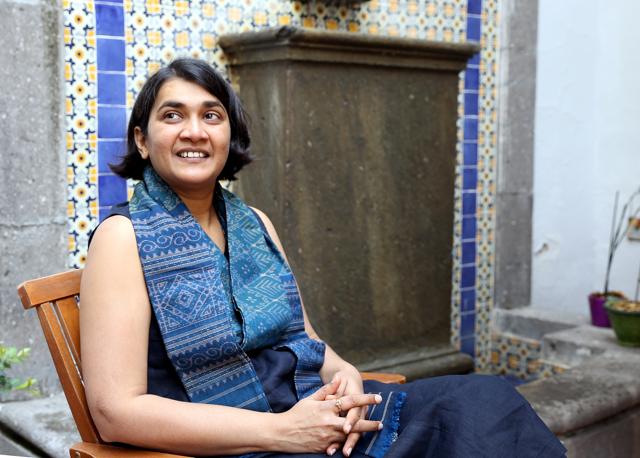
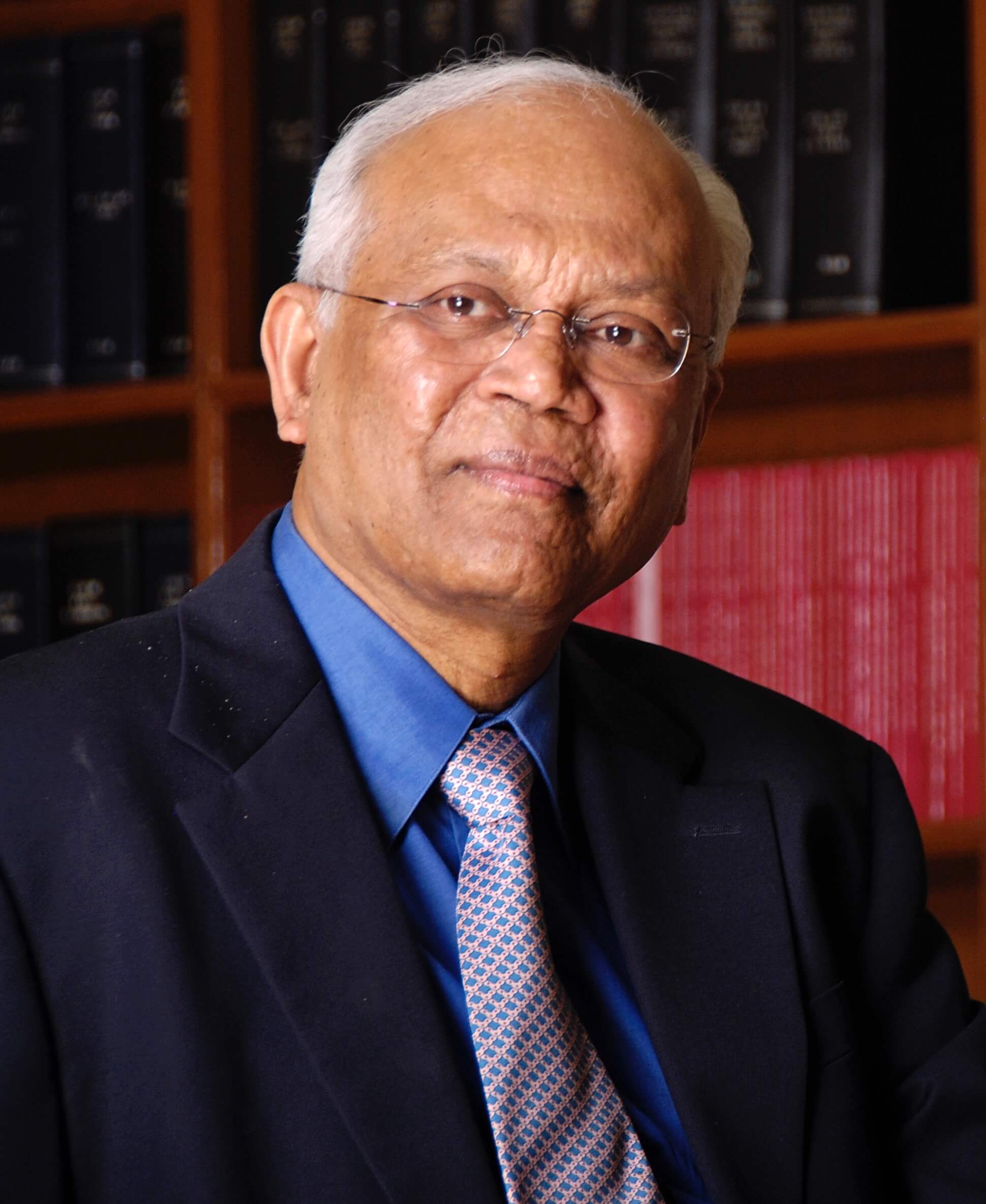
“When the series became virtual, it was not complementary to a lecture so we made it conversations instead. This year, again, it’s a conversation. We have eminent scientist Dr Raghunath Mashelkar in conversation with Jahnavi Phalkey, acknowledging the watershed moment of science today in India and discussing the way forward,” says Amy.
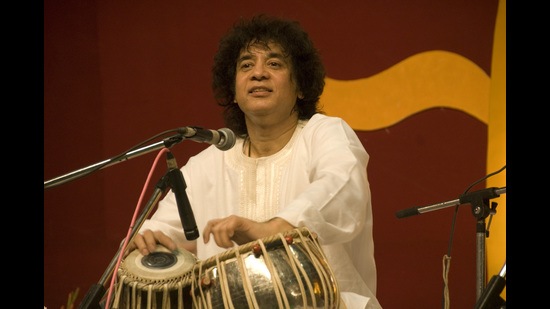
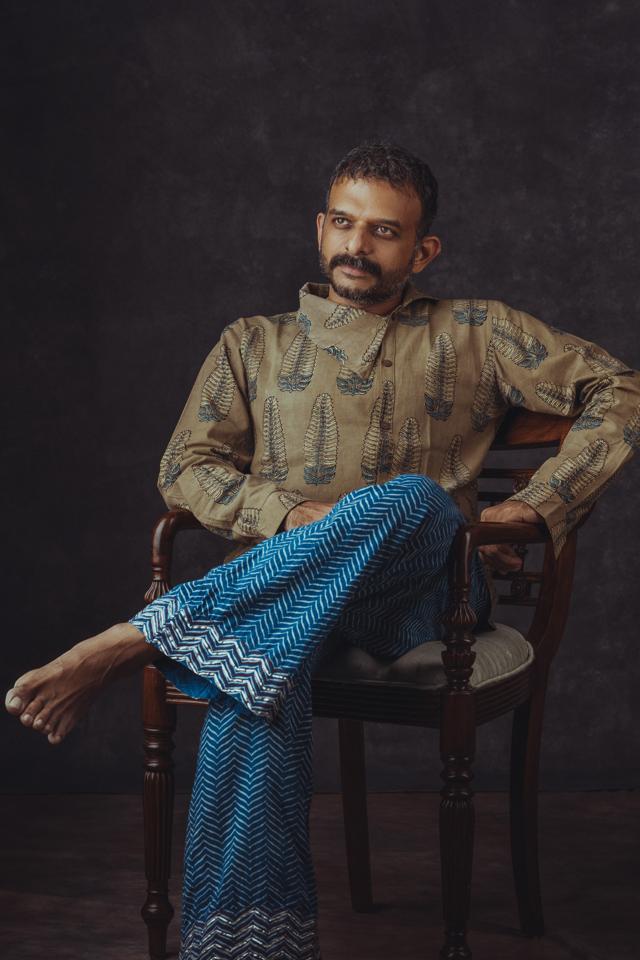
For the second segment of the lecture, tabla maestro Zakir Hussain and musician TM Krishna will engage in a fireside chat talking about the course of music. “We decided to have the arts and science of culture that transcends everything, especially barriers. It also happens to be Anil’s birthday. Instead of calling it a memorial lecture, we thought we would rename it,” she adds.
Money matters
The pandemic has had a severe effect on the arts and culture sector, putting festivals in a precarious situation in terms of funding. Last year, the decisions to indefinitely postpone the Hindu Literature festival and cancel of the Times LitFest indicated the lack of financial support.
“We are still going to go through with this festival, come what may. Raising funds for literature, which is of interest to probably two per cent of the population, is not easy, but luckily there are enough people in authority who are interested in literature and culture and are happily to support it. They come because they believe in good work,” says Amy.
There’s no reason why she shouldn’t be as optimistic as she is, considering that the festival last year garnered 4 million views as opposed to a footfall of 40,000 that the physical festival usually witnesses.
“Going online worked in our favour because there was no geographical barriers to attendance,” adds Amy, who brushes off the idea of ticketing the festival. “We will continue the festival in Anil’s tradition, keeping it accessible and free for all.”
Pillar of strength
The Tata LitFest committee has endured the loss of not one but two core people this year. Aside from Anil, Shashi Baliga, the executive festival director and former journalist and media trainer succumbed to Covid in the second wave.
“Shashi was a dear colleague and an advocate for women writers, speakers and moderators. With her efforts, we always tried to give the same platform to a woman writer or a moderator. We miss both Shashi and Anil terribly,” laments Amy.
The festival over the past two years has undergone a sea-change, and the effect of it is showing in the consumption of art and culture.
“People have often come to think in today’s times that art can be put on the backburner and that it’s not as important as many other things, but I think there is also a large number of people who realise the importance of art, and want to take this forward. I hope the trickle turns into a tide!” says Amy.
Doesn’t that come with some kind of class distinction?
“I would be lying if I said there isn’t class distinction, but at the same time we must recognise that art itself is classless. Class distinctions exist in consumption. Patronage has a very strong role in bridging this gap,” says Amy.
From HT Brunch, August 15, 2021
Follow us on twitter.com/HTBrunch
Connect with us on facebook.com/hindustantimesbrunch


