
 E-Paper



Fitness: An Ayurvedic approach

 Prefer HTon Google


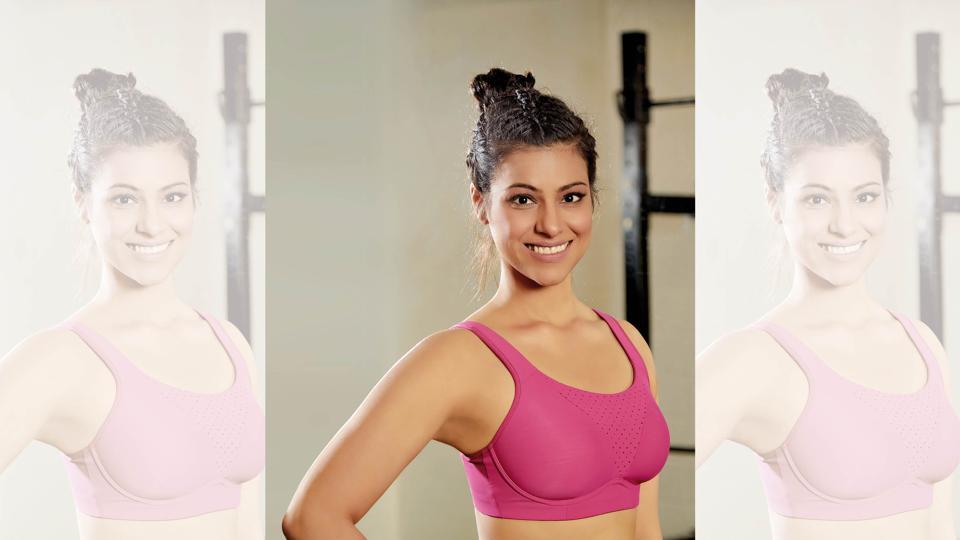
Like many people, Neha Premjee’s wellness journey began with harmful missteps. Then she discovered Ayurveda
I first met Neha Premjee in 2018 at a mutual friend’s home, and we immediately clicked. She was 27 years old then and I admired her sense of confidence and her intelligence; she was always a live wire and sure of herself, even though she hadn’t as yet defined her career choice.
Once she discovered the true depth of Ayurveda however, Neha Premjee had her whole life together just one year later. A year after that, in January 2020, she started a wellness business that, by now, is climbing steadily onto the global wellness scene.
The avoidance game
“The first time I knew I needed to lose weight was when I was 18 years old,” says Neha. “It was my first year away from home at the University of Chicago, and I had gained a lot more than the ‘Freshman 15’. When I met my family at the end of the semester for a holiday in Spain, I saw the looks of horror on their faces and I knew I needed to get my weight under control.”
Back in Mumbai, Neha checked her weight. At a height of 166 cm, she weighed 90 kilograms. She gulped, but she gathered up her determination and began working towards a healthy, wholesome life. Unfortunately, like many of us when we first start our wellness journeys, she went overboard and started dieting and exercising heavily.
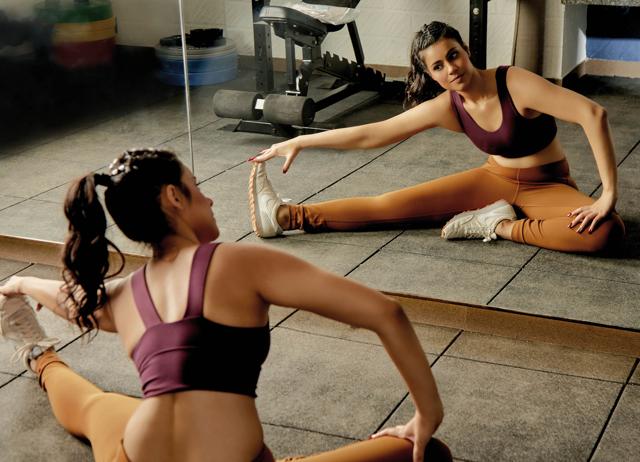
“I’d work out for two hours every day. I did lose some weight, but because I had severely restricted myself, I found it really hard to sustain my plan and keep the weight off. I kept binge eating and gaining some of it back. I was trapped in a vicious circle and when I wasn’t able to restrict myself around food, I’d purge myself. The next thing I knew, I had developed bulimia,” Neha reveals.
Trapped in this spiral for the next few years, Neha found herself in another episode of denial. “To justify my eating disorder, I’d tell myself that I’d rather vomit than be fat,” she recalls.
Tools of engagement
In 2015, Neha, who had started doing yoga, learned about her body type in a casual conversation with her yoga teacher. “My teacher looked at me after class and said, ‘Neha, you have all the kapha features—soft, baby skin, bigger lips and a symmetrical build, but bigger. Even if you do lose weight you’ll always have a lush body type.’”
Curious, Neha looked up Ayurvedic body types when she got home and, fascinated by what she found, began to research the subject.
Convinced that Ayurveda could help her, she formulated an eating plan based on the foods best suited to people with kapha body types, and found to her joy that that she had begun to lose weight without trauma.
“Fad diets didn’t give me the tools that Ayurveda has: what to eat for my body type, how to eat, how to combine food, how to work with my mind to shape my body,” states Neha.
The Ayurvedic dosha (body type) classification, Neha learned, is a self-healing wellness path.
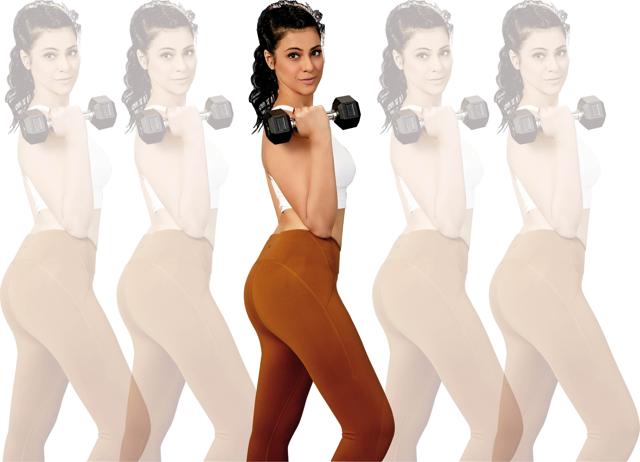
As she began to tread this path, Neha stopped over-exercising, and only spent as much time in the gym that felt good to her—usually around 30-35 minutes.
She built a sense of trust around food and ate things that were beneficial for her body type and which intuitively felt really good!
Today, she weighs between 55-58 kgs, and her weight has been stable in this range for a few years now.
Being the best
After achieving her target goal, Neha proudly states that there are all kinds of advantages to feeling her very best.
“The shallow perks are that I can wear most clothes I want, receive attention and compliments, get a lot of respect for being a weight loss success story and have a ton of stamina when I travel or have to do something active,” says Neha.
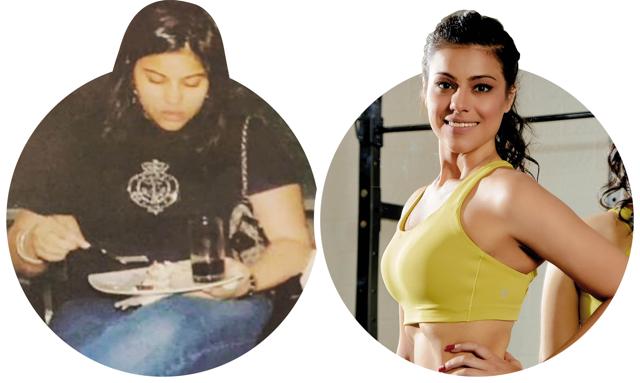
She takes a deep breath and adds, “The deeper perks are all the trauma I release, the self-love state I wake up in each day, a healthy relationship with food and eating, loving what I see in the mirror, and having a tonne of tools in my belt to teach others. Most of all, I love being able to inspire, influence and elevate other women facing the same struggles that I did.”
Achievements unlocked
People experience food cravings for one of two reasons: biological or emotional, says Neha.
“A biological craving is when you are missing a nutrient in your diet, and the craving is your body’s way of signalling that it needs something. For example, excessive chocolate cravings could be due to lower magnesium,” Neha explains.
Emotional eating, on the other hand, is harder to unpack, because food serves as a stimulus response to a trigger in your environment or as a reaction to an emotional state of being.
“I teach my clients how to tap into the Ayurvedic method of listening for fullness (your body gives you a specific sign), all while eating foods in the correct ratios of proteins, carbohydrates, fats and vegetables, and all optimised to their dosha to help them create an intrinsic balance,” she says.
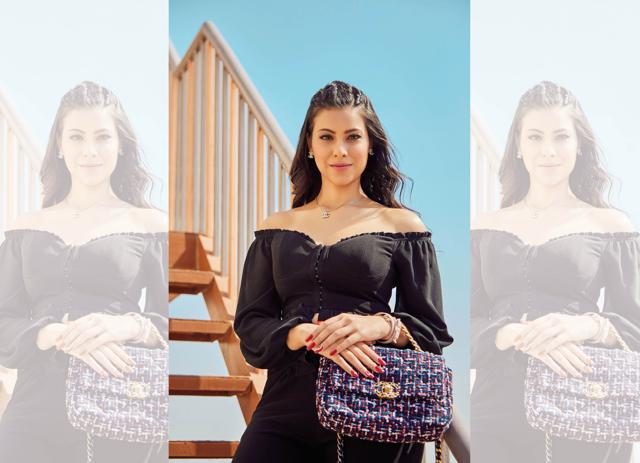
A certified yoga teacher from the Yoga Institute in Santa Cruz, Neha teaches Ayurveda so that other women who feel trapped in their bodies and held back by their weight can learn what she did. Her three-part A-E-E (Ayurveda, Energy, Emotions) framework has helped hundreds of women around the world lose weight and enter a place of harmony, balance and love.
Her “biggest” client transformation has been 46 kgs (100 pounds) lost.
“Each person’s journey is so unique and dear to me because what each person desires is different, and it’s incredible to watch them get what they want in front of my eyes,” she says.
“One of my clients came to me to lose weight so that she could become pregnant—and she lost 10 kgs and conceived within two months! Another came to me because her periods had stopped for nine months—she got them back within a month of following my diet. A third came to me because she wanted to marry but faced a lot of rejection due to her weight—she lost 30 kgs and was married within six months!”

Anandita De is a luxury lifestyle consultant & writer.
From HT Brunch, July 9, 2022
Follow us on twitter.com/HTBrunch
Connect with us on facebook.com/hindustantimesbrunch


