
 E-Paper



Guest Column by Apurva Asrani: One more step towards equality

 Prefer HTon Google


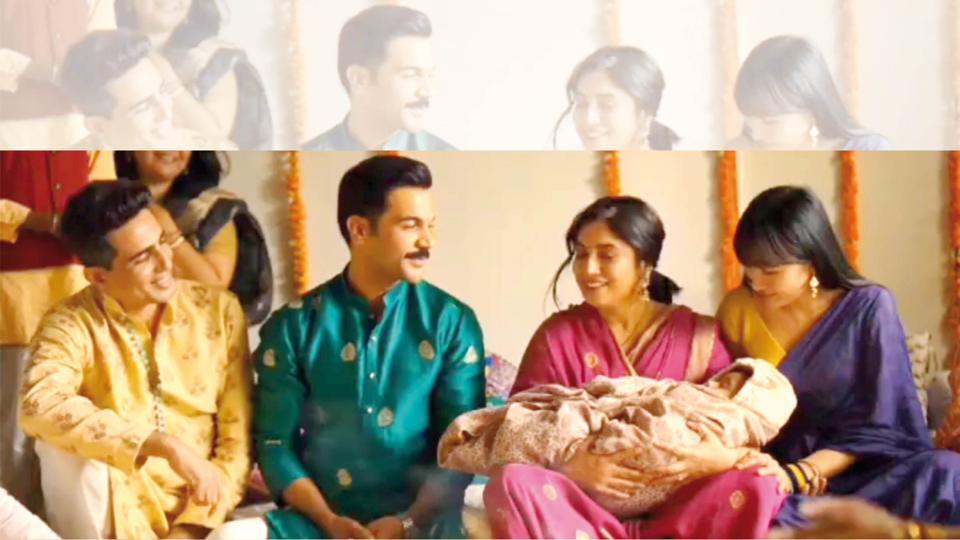
The Supreme Court observation that makes the definition of ‘family’ more inclusive under the law is a move in the right direction
The Supreme Court recently observed that family benefits under the law must be extended to blended families, same-sex couples and other households that the court considers “atypical,” thus widening its definition of family.
While that is a much-desired judicial observation, a ruling to this effect is still to come, meaning that homosexual, queer and LGBTQIA+ couples still don’t have the right to start their own families, adopt or have children. But we are working towards it and the Supreme Court’s judicial observation has paved the way.
Unanswered questions
Whether you call it marriage equality or same-sex partnerships or civil unions, I don’t want to get lost in the semantics. People are very touchy about the concept of marriage since religion is associated with it and, in a certain way, the blessings of society. Personally, I don’t care whether it’s called marriage or civil union, but we need to allow LGTQIA+ couples and individuals to start families because at this point, people only have questions about where relationships can go after many years of being together.
Can we have a child? As we get older, can we ensure that our partner is looked after when we are gone? Will a marriage or civil union make it easier for us to rent a home because landlords are usually afraid that a single person, a person who doesn’t have a family to look after, will be irresponsible? Do we have the opportunity to be responsible? Is the law going to give us that?
The next obvious step
Now that we have been decriminalised, the next step must allow us to have families.
Which is why Justice D Y Chandrachud, having made a judicial observation about family benefits to ‘atypical’ families, will go down in Indian history as one of the most kind, humane and sensible voices from the Supreme Court.
We hope this observation gathers momentum in the media. When this kind of a dialogue gathers momentum, more voices support this kind of sensible, humane thinking and we can expect LGBTQIA+ couples and individuals to be able to start their own families and find a place in society due to the inclusive fabric of our constitution. It should award us the same right to life as it does to its heterosexual members. That is equality. As Justice D Y Chandrachud said, “Our very understanding of the family unit must change to include the myriad ways in which individuals forge familial bonds.”
(As told to Karishma Kuenzang)
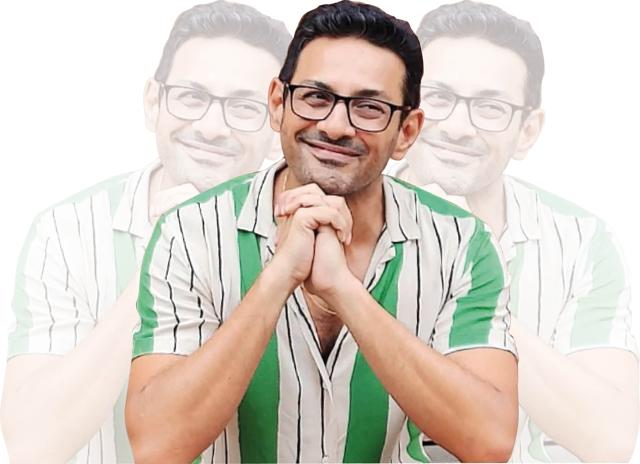
Apurva Asrani is a Goa-based National Award-winning filmmaker best known for editing the films Satya (1998) and Shahid (2012) and the web series Made in Heaven (2019), and for writing the acclaimed human rights drama Aligarh (2015).
I Say Chaps is a column that allows passionate, creative people a platform to have their say.
From HT Brunch, October 1, 2022
Follow us on twitter.com/HTBrunch
Connect with us on facebook.com/hindustantimesbrunch


