
 E-Paper



HT Brunch Sunday Debate: A review & a rejoinder
A viewer of the recently-released The Girl on the Train guts the film. The director takes it on the chin and explains his vision


“The masala tadka in the Hindi adaptation was painful!”
By Somdutta Sarkar

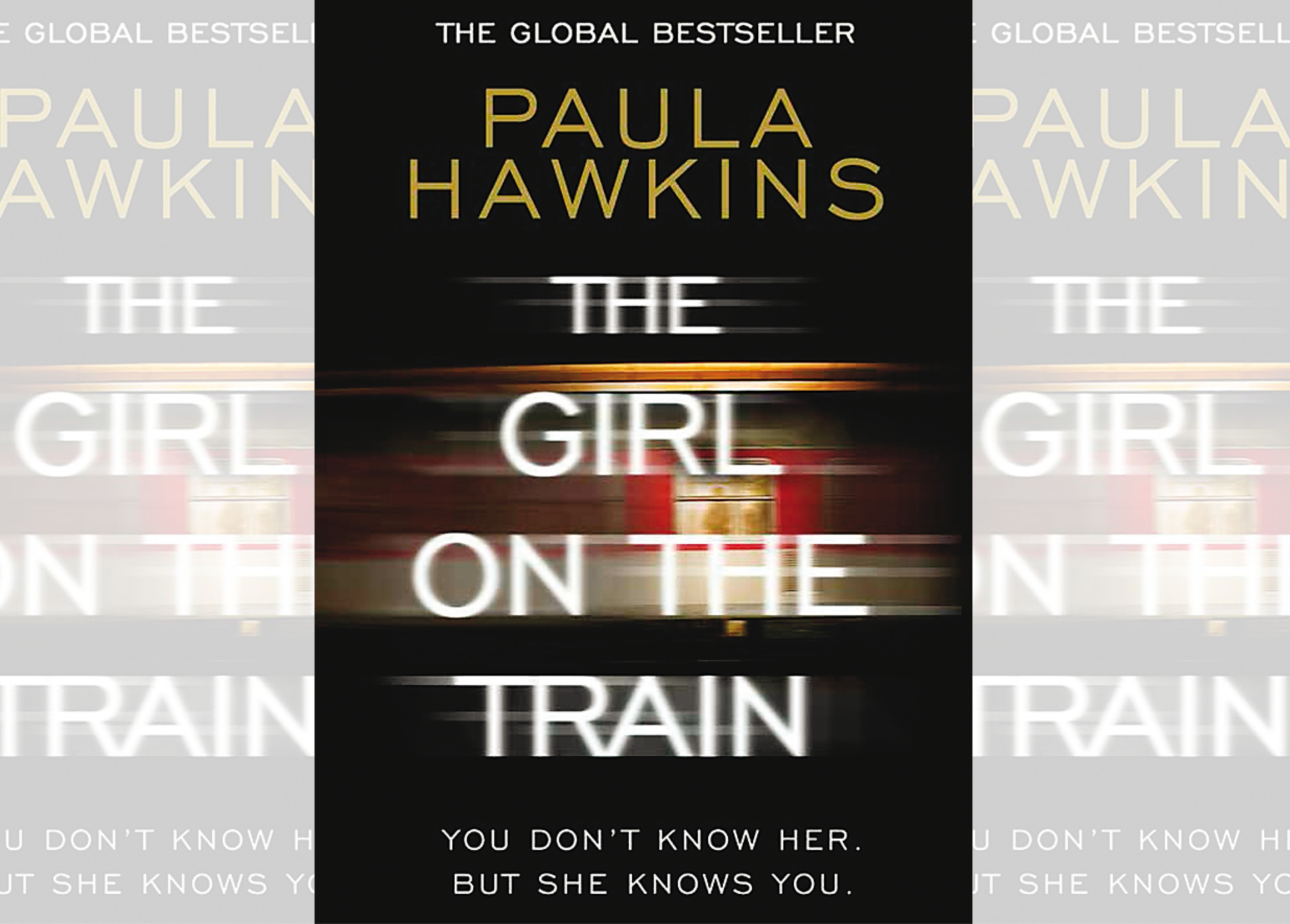
The psychological thriller market has been captured by female authors. From Gillian Flynn (Gone Girl) to Paula Hawkins writing about murderous good girls, the suspenseful crime novels all read as if they have been crafted especially for the New York Times best-seller list, and subsequently, screen adaptation. I rank the book higher for its revolving narrative, which switches between Rachel, Anna, and Megan.
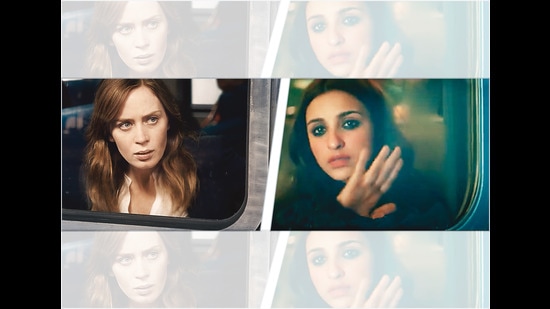
In the 2016 English adaptation, the women stole the show. But they omitted a key detail about Megan’s past and didn’t even mention Libby.
Fifteen minutes into the Hindi version and I was convinced I was watching the wrong movie and wondering if they were trying to make a different movie. Everything they didn’t lift was forgettable and cringe.
I’m all for creative liberties but the unnecessary twists and forced masala tadka was painful. What suffers most is the characterisation, which should have been its trump card. Parineeti Chopra and Aditi Rao Hydari play two-dimensional characters. They are avatars of the archetypal Indian woman who can do no wrong but can only be wronged.
The gaping hole is where the movie’s heart ought to have been: The women share no common ground. There’s no introspection, reflection or depth. Which is why Parineeti’s narration sounds like your car GPS on a route you’ve taken a 100 times.
Somdutta Sarkar, 31, is a communications specialist in New Delhi, who once spent a year travelling between London and Leeds by train
“It was challenging: my set up was not in India, but London”
By Ribhu Dasgupta
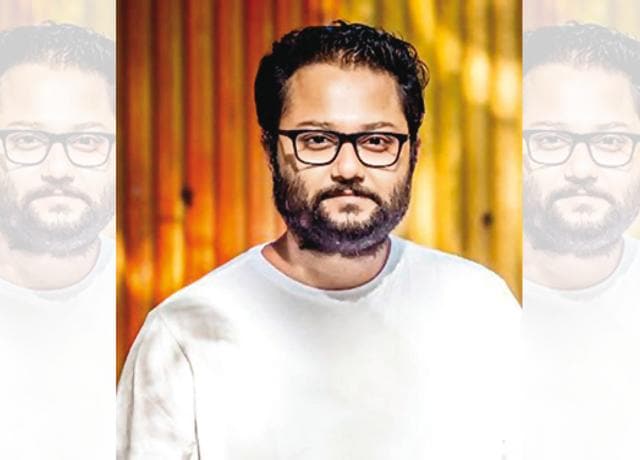
T he book was one of the finest reads and a page turner. The English adaptation was exciting because of the way Emily Blunt portrayed the character. It intrigued me enough to want to make a thriller adaptation in Hindi.
The difficult part about it was that it’s about a girl on a train looking at another girl on a balcony and the connection they have and how they end up being linked later. It was challenging because my set up was not in India but London and the trains there are not like the masses here are used to. But I wanted to stay true to the book.
If filmmakers can give a movie their own colour, they should. There are core audiences who will like the English version more even though they may not have liked it in particular.
For those hating the movie, we always have extreme reactions. I knew that some wouldn’t like it. The book was fantastic and the English version too but you can’t be afraid of making something because of that. There’s no way you can please everyone in life. Just look at bettering yourself.
I’m very old school when it comes to social media but I think memes are creative and a way to review the film. Someone is investing time and making a meme which is funny and a conversation starter, which works because then people will watch the movie!
Ribhu Dasgupta, 35, is the director of Netflix’s Hindi adaptation of The Girl on the Train
From HT Brunch, March 21, 2021
Follow us on twitter.com/HTBrunch
Connect with us on facebook.com/hindustantimesbrunch


