
 E-Paper



Music: Sweet notes of change
Jalebi Baby, Canadian-Indian musician Tesher’s song, has taken him from TikTok music to the top of the international charts


He’s the guy who not only got American singer Jason Derulo to perform bhangra in a kurta, but also dish out recipes to make jalebis on his Reels. What started out as trending TikTok and Instagram Reel music today features among the top music on the international charts.
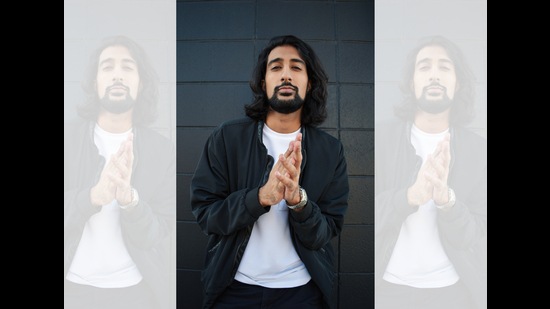
“I had a vision where you could play Justin Bieber’s Peaches, some Ed Sheeran song and Tesher’s Jalebi Baby and people across the world would be vibing to it. It feels extremely rewarding to create a song that people all over the world are enjoying, and it is all about an Indian sweet,” says Tesher enthusiastically over a Zoom call.
Hitting the mainstream
Hitesh Sharma, better known by his stage name, Tesher, is a Canadian rapper-singer and producer of Indian origin. Jalebi Baby is not Tesher’s debut single, because he’s been making music since the age of 11. What began as a hobby as a way to be cool and hip has made him an international music artiste.
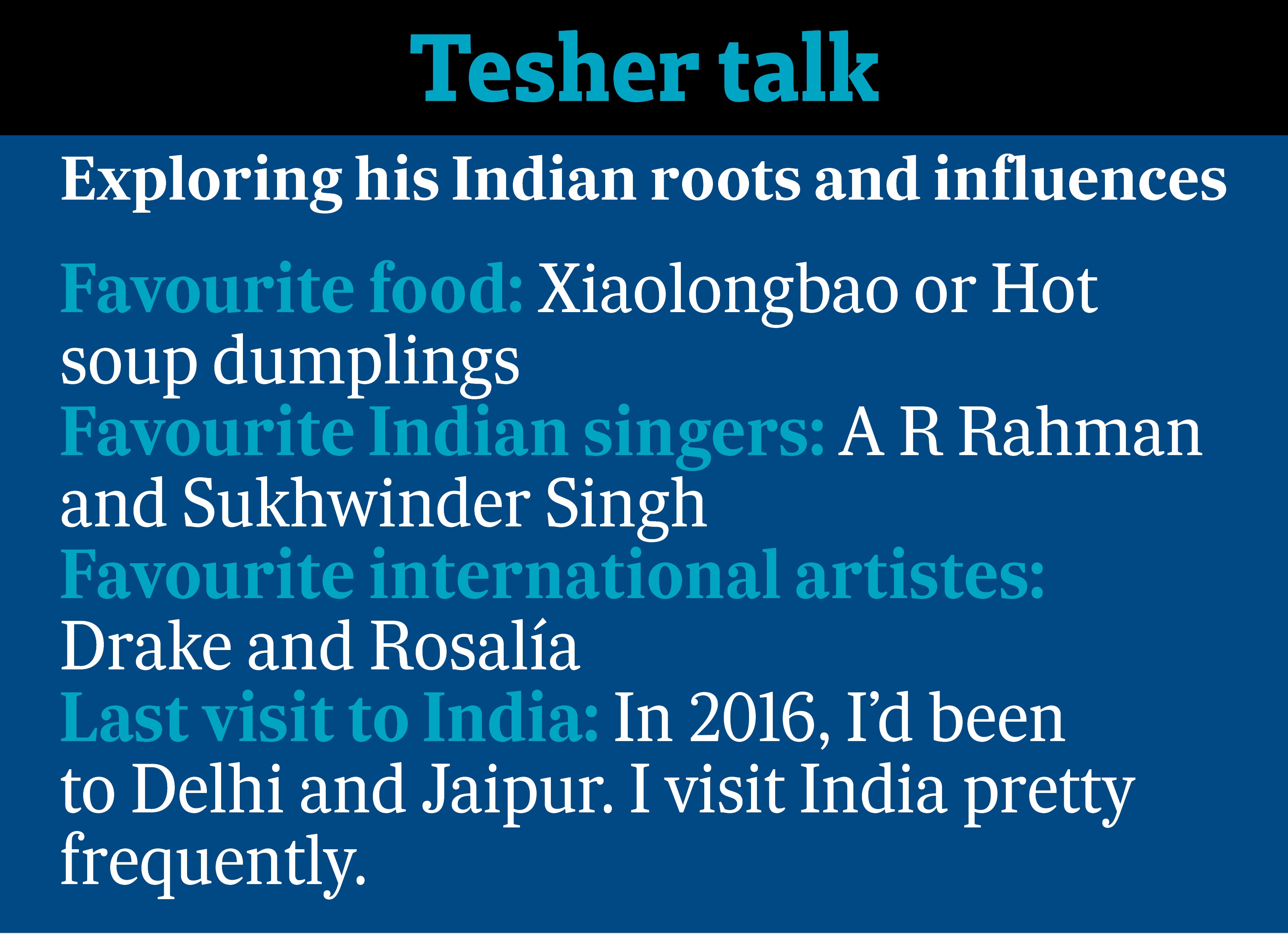
“I started putting music out on the internet in 2006-07 and I would make mashups back then too. Those didn’t sound good though,” he laughs. “With time, I got better. But the big turning point was when at the age of 15, I began to DJ at weddings and anniversaries around my neighbourhood here in Canada. It got me further into mixing genres and has been part of my life since.”
Tesher, a self-taught musician, had never thought his hobby would turn into a profession. He studied the music landscape carefully on MTV, radio and other channels and knew he had to use his talent somewhere. Then YouTube came to the rescue. All of it happened rather organically, but did he ever imagine that he’d have a record coming out with Jason Derulo?
“If you’d asked the young Tesher, he’d say no. But when Jalebi Baby began doing so well and hitting huge numbers on Shazam, TikTok, Instagram and YouTube and hit the top of the charts in countries like Turkey, Algeria and Egypt, I understood it had gone beyond a particular audience. So the next logical step was to hit the mainstream. The most obvious way to give that push was by having an American feature on the record,” he says.
Call it coincidence, but just as Jason came to Tesher’s mind for a collaboration because of his high energy records, Jason himself slid into Tesher’s DM to appreciate the song.
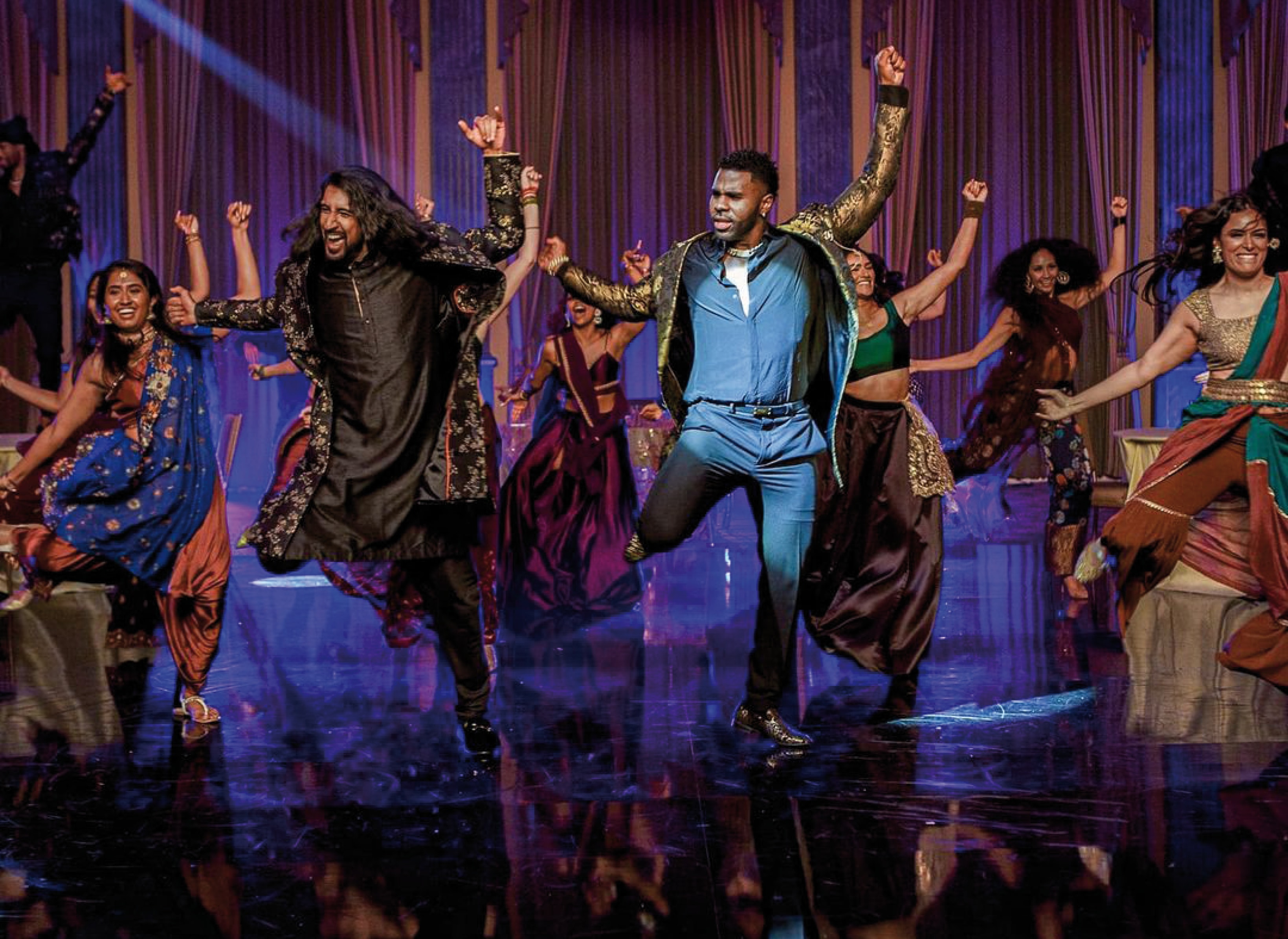
“He reached out to me on Instagram and I double-checked if it was him but when we started talking, we knew we would do this together. Soon I sent him the stems and he sent me the vocals and that’s how we initially released it. It was only recently that I was able to fly to LA to shoot the video,” he shares.
Collaborating didn’t dim the song, promises Tesher. He knew which parts he wanted to keep exactly as they were in the original.
“I wanted to keep the ‘Baby let me see it’ part. However, I figured it would be cool to trade bars on those notes so that there’s a jousting energy. I wanted this to be a 2021 version of Michael Jackson and Paul McCartney’s The Girl is Mine. Internally, I was aware we have not had such a moment of pride for the South Asian community in music since Jai Ho (Slumdog Millionaire), so I insisted on retaining Punjabi words like Chetti Chetti with the right pronunciation,” explains Tesher.
The musician even convinced the American singer-songwriter to learn Bhangra for the video!
Keep it brown
Despite improved Brown representation in global cinema, music and art, there’s still a simmering identity crisis that young Indians or South Asians have to experience while growing up in the West.
“I wanted to make sure my record was very unapologetically Indian,” says the Canadian singer. In many cases, he says, either the representation is problematic or it is too stereotypical, especially in the mainstream. “I wanted youngsters from the community showing off their culture among friends because I remember being able to do it proudly when Slumdog had come out,” he adds.
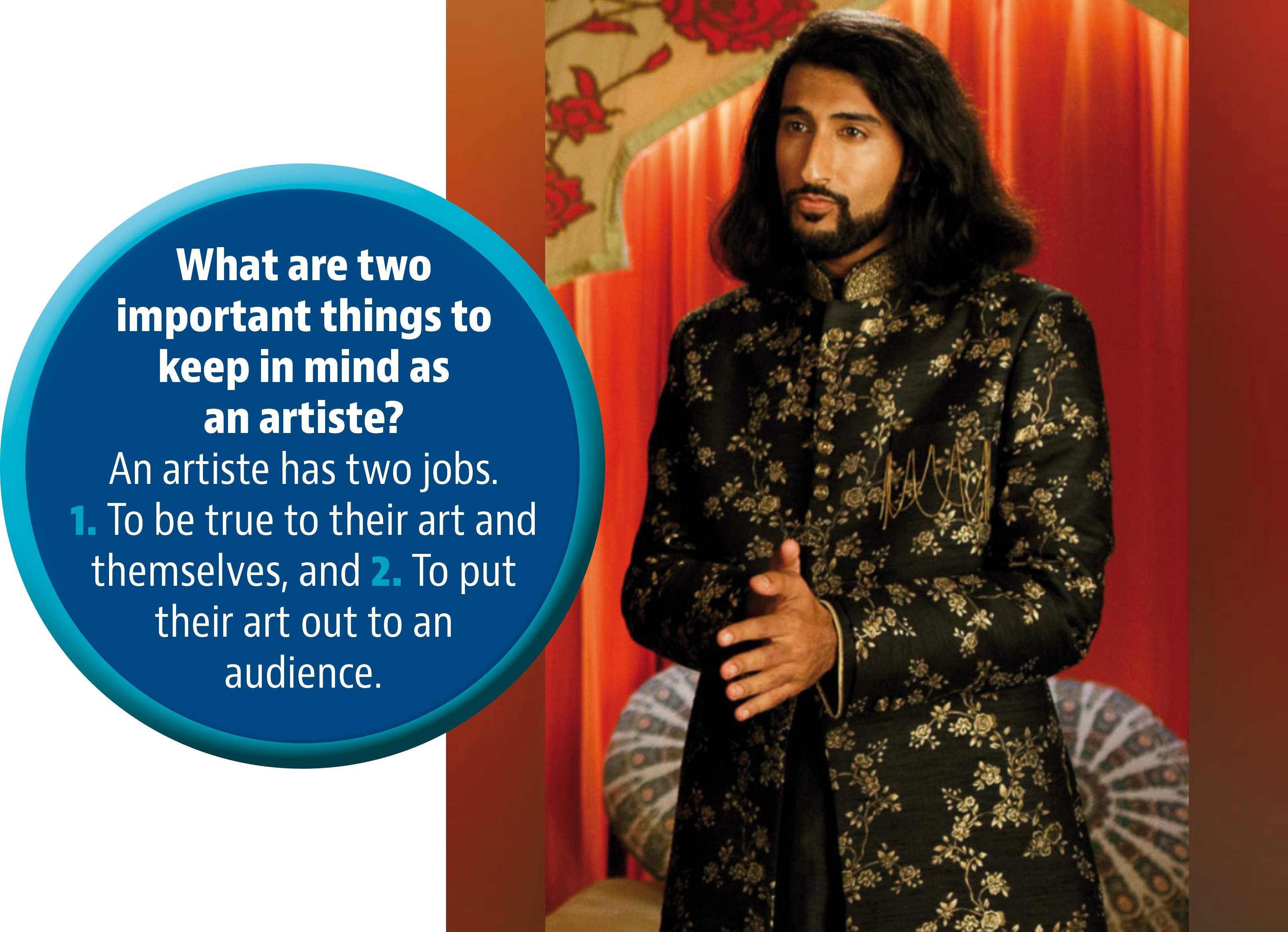
Tesher points out that the kind of prejudice Indians face abroad also comes from Indians back home because they assume people are whitewashed once they move out of the country.
“That’s not true. I was brought up here but I speak Hindi and Punjabi at home with my parents. There’s a fear of losing culture, of course, but it’s not typical and not how it’s considered,” he explains.
As a matter of fact, his roots and his love for the Indian language shows in Tesher’s songs, too. Whether it is the Ramta Jogi x Old Town mashup or the Young Shahrukh mashup, his songs have a bilingual touch and that’s what makes them a hit sans borders.
“I’m not married to one genre of music. I go with what sounds best and flip the beat. It’s a technique I’ve learnt over the years by listening to music constantly. But my favourite genre is hip-hop because it has a large landscape,” Tesher says, adding that Indian contemporary music allows him to experiment.
Now that he has an international hit, does he feel the pressures of matching the expectations for his next track?
“I would feel the pressure had I not been working on something already. I am currently producing music that sounds good to me, so there’s no time to worry if the next one’s going to be a hit!” he grins.
Follow @MissNairr on Twitter and Instagram
From HT Brunch, August 15, 2021
Follow us on twitter.com/HTBrunch
Connect with us on facebook.com/hindustantimesbrunch


