
 E-Paper



Passions: Inclusivity inc.

 Prefer HTon Google


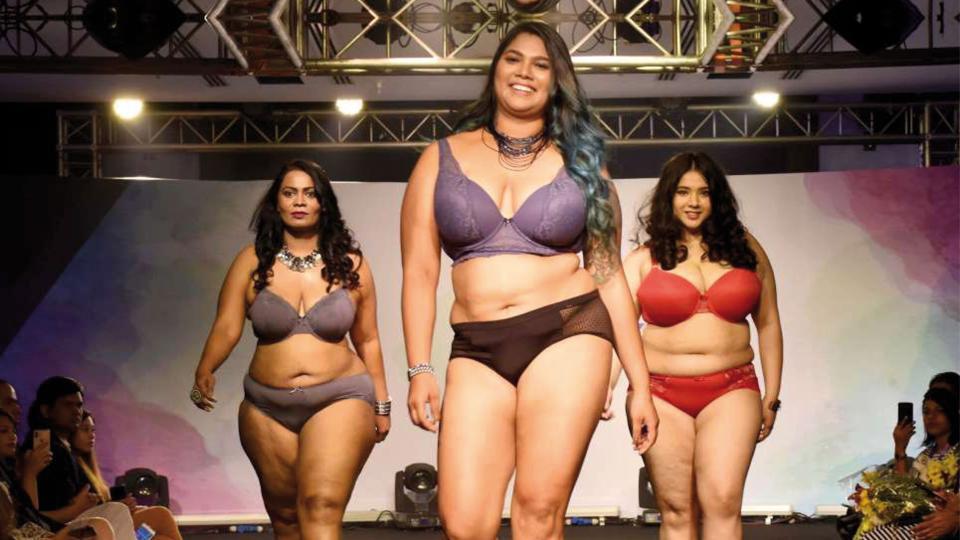
Is the fashion industry truly inclusive, or is it just another gimmick? A fashion designer and a fashion stylist-and-writer argue it out
“Institutionalised social errors need time to be overturned”
By Nimish Shah
We’ve just started scratching the surface when it comes to inclusivity in the fashion industry. The industry isn’t tone deaf, but big changes come through well-established consumer brands as they can dictate change.
The corrections can’t happen overnight, because the mistakes are institutional. Take Fair and Lovely, for example, which made everyone believe that being fair is better. That’s how our parents and grandparents were conditioned. It’s an institutional, collective social error. You can’t just ask people to think brown is beautiful. There have to be inspirational faces and stories. You need to market ‘brown is beautiful’. Or that being yourself is beautiful.
Brands can’t just jump into change, like making plus sized products. There are challenges in production and design is a creative process. I may think a bigger person should be able to wear something, but if the bigger person doesn’t think the same, it doesn’t translate to sales and commerce.
But if you say inclusivity has become a marketing strategy, well, Indian brands have always been making clothes for all sizes. Sabyasachi and Masaba make clothes for ‘real people’. Wendell Rodricks used to design with the bigger woman in mind.
Even if inclusivity is a marketing strategy, if it makes brands address things like normalising positivity, then the job is done. And if brands make money out of it, they will continue to do it. Isn’t that the point?
Nimish Shah is the creative director of clothing brand Bhaane and a London College of Fashion alumnus.
“Are we inclusive in our community in general?”
By Bharat Gupta
Fashion impacts everyone. While the physicality of its power is obvious, the mental and emotional impression is far beyond. The general public has continuously misinterpreted the reason for models being a certain size, which originates from the requirement of a designer to create a standard sample. But that said, as society changes, so should the ways we work.
The insecurities of being a certain size or gender or having a particular skin tone affects the normalcy of daily life. A narrow definition of what is beautiful further weakens what wholly represents the community.
So, when hushed conversations and snide smirks slowly change to active discussions, the stalwarts must participate. But is this participation further glorifying the fact that those who don’t look the same need to be singled out? The fact that we refer to plus size models, northeastern faces, models from the LGBTQAi+ community and so on, is reason enough to know that fashion still isn’t inclusive.
The shift has begun to happen. We spot a curvy model, boys embracing in a campaign and a demographically diverse choice in models. But being charged a “fat tax”, being told certain colours “bring out your skin tone” or that an outfit will look graceful “at your age” creates a non-inclusive environment.
The baton can very conveniently be handed to industry experts and designers. But fingers point back at us. Are we inclusive in our community in general?
Bharat Gupta is a fashion commentator and stylist, whose last success was styling Miss Universe Harnaaz Sandhu.
From HT Brunch, February 20, 2022
Follow us on twitter.com/HTBrunch
Connect with us on facebook.com/hindustantimesbrunch


