
 E-Paper



Tastes of home: How little-known cuisines help us connect with each other

 Prefer HTon Google


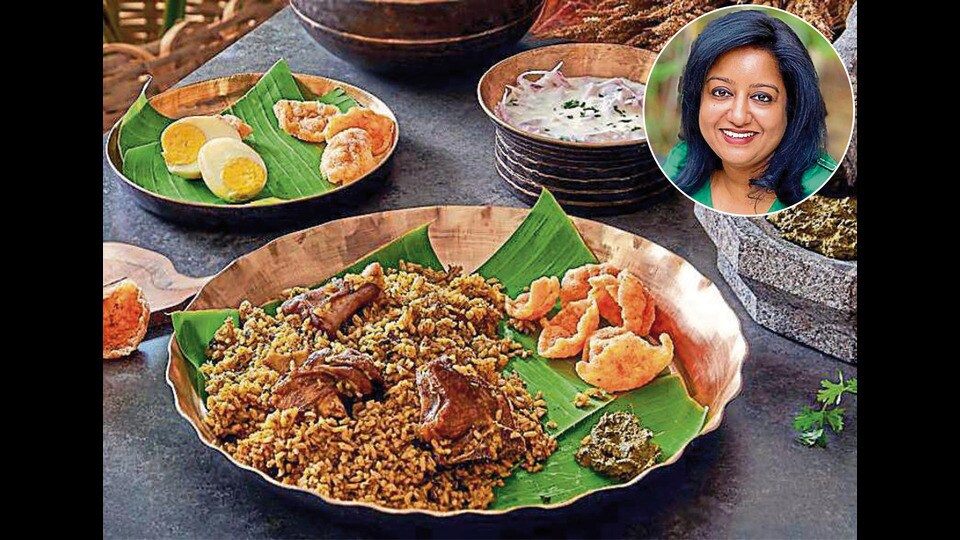
Khasi delicacies in Delhi, homestyle Kashmiri food in Gurugram, Gowda staples in a restaurant in Bengaluru. We're finding new ways of keeping those ties alive
Memory is a tricky thing. No one quite knows how core memories form, or what the mind might remember, unbidden, years later. But we know that once the mind holds on to something – a flavour perhaps, the taste of a meal made with love – no power on Earth can shake it.
It’s probably why so many Indians who’ve moved away from their home towns miss the food of their communities the most. The farther away from home, the more acute the longing. Restaurants help, but only so much – their generic recipes, and substitutions for hard-to-source ingredients often making things worse. “For many years, the representation of dum aloo and rogan josh in big cities bothered me,” says Gurugram-based Nalini Moti Sadhu Sadhu, 60 who grew up in Rajbagh, Srinagar. She opened her restaurant, Matamaal (which means Grandmother’s home in Kashmiri) in Gurugram in January 2016, with her husband, Surender Sadhu.
Sadhu isn’t a trained chef. She learnt to cook traditional Kashmiri food, such as mutton kalia and other rich gravies, from her grandmother and her mother-in-law and would cook for family, friends and on request before she opened Matamaal. Across India, Indians have been giving lesser-known cuisines a larger platform, taking community cooking to an appreciative audience in the process.
Tanisha Phanbuh, 29, was born into a food-obsessed family in Shillong, Meghalaya, and loved hosting weekend dinner parties at which she and her mother experimented with food of the North-East. They’d whip up everything from Khasi syrwa (a stew with fish or veggies) and Assamese fish tenga (a sour fish curry) to Burmese khao suey. So when she moved to Delhi, in 2015, she felt both unmoored from home and aghast at how little the locals knew of the region’s food. “Whenever I mentioned I was from Shillong, people would ask where it is or say ‘Oh, Cherrapunji?’” Their misconceptions were mostly food related: Meat, momos, chowmein, and “smelly food”’. “It pushed me to start conversations about the real food and habits of the people from back home,” she says.
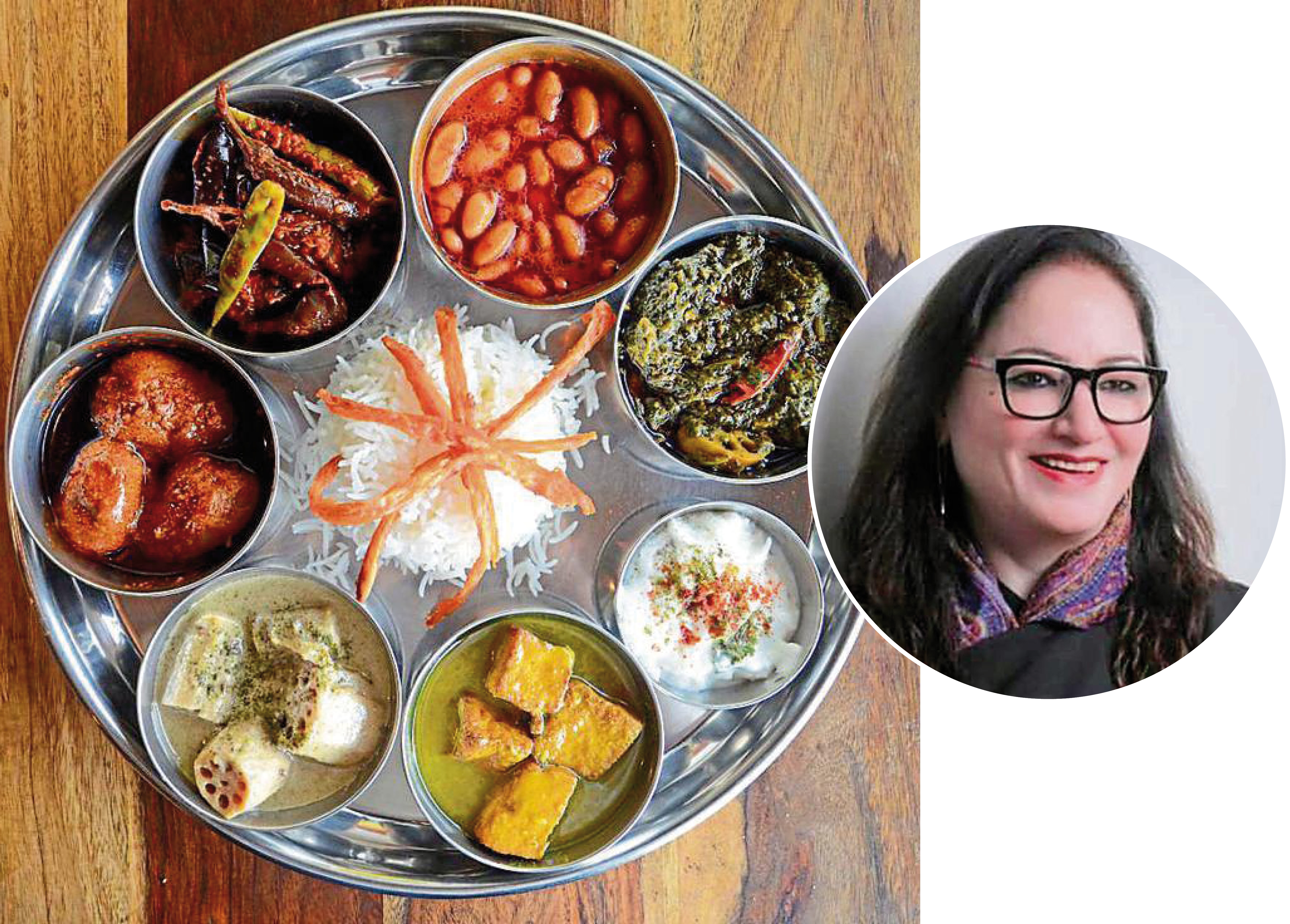
Phanbuh started Tribal Gourmet, a pop-up kitchen, in 2017. She focuses on food from her home state – not just obvious choices such as doh neiïong (pork in black sesame), but everyday home cooking. There’s a curry made with fermented bean paste and fermented fish, and the Khasi-stye delicacy doh jem, a kind of liver pâté. Her patrons include other transplants from Meghalaya, and a small but growing number of folks who have never been to the region.
It’s possible to feel unmoored even on your home turf. In Bengaluru, Divya Prabhakar, a former sales and marketing executive now in her 40s, found that while the city had plenty of restaurants serving international cuisines, no one was putting out food from the native Gowda farming community to which she belonged. She set up her set-menu restaurant and catering service Bengaluru Oota Company, more than seven years ago.
Prabhakar describes the community as avowedly omnivorous. “We have a dish for every part of the goat-from nose to tail,” she says. They eat chicken and pork too. The kitchen turns well-honed home recipes into four- and five-course menus. It’s the full Gowda experience. Prabhakar’s restaurant operates out of a traditional local home. The spread includes Bannur mamsa pulav, which uses the fatty meat; goli or Mangalorean street-style fried bhajji; and badaam halwa.
Substitute teaching
Regardless of where these food ventures operate, traditional cooking presents its own set of challenges. Sourcing the right ingredients is key. For a recent pop-up at The Park in New Delhi, Phanbuh struggled to source ingredients. “Initially, I would ask mum to source everything and courier it to me,” she says. These days, there are weekly produce supplies in speciality markets. “Still, there are a few things I bring from Shillong, such as fermented bean paste, fermented fish, black sesame, perilla and Lakadong turmeric, because the taste varies depending on how they are stored.”
Sadhu is strict about where spices come from, too. “It’s the most crucial aspect of the cuisine,” she says. The mild but bright red Kashmiri chilli powder is what gives rogan josh its appearance and taste. “Even a slight change in the quality of this spice can drastically alter this dish.,” Sandhu explains. Years of sourcing have helped her develop a network strong enough to set up an online platform to deliver Kashmiri spices, dry fruits, raw honey, saffron, across the world. She named it Kanz & Muhul, which translates to Mortar and Pestle.
Sharing the love
Some journeys however, are easier. Phanbuh uses social media to educate viewers about the cuisine and the region. She’s made Reels about specific ingredients and how to work with them. “I also post during my travels back home, especially what and where I am eating,” she says.

Sadhu also credits social media for Matamaal and Kanz & Muhul’s success. Her feeds are about food but also include snippets of information about ingredients and life in Kashmir. “I felt responsible for telling people about our way of life,” she says. “We’ve become a forum for people to connect and cherish one thing: good food.”
Prabhakar’s offline efforts have made Bengaluru Oota Company a success outside the Gowda community. “We’re still on people’s must-visit, must experience list when they visit Bengaluru,” she says. It’s a near-impossible feat for a company that isn’t active on social media.


