
 E-Paper



Spoilers Ahead by Rajeev Masand: Once more, with feeling

 Prefer HTon Google


Early on in Quentin Tarantino’s brand new book Cinema Speculation, the auteur behind some of contemporary Hollywood’s most seminal films, jogs his mind back to the year 1970, when, at the age of seven, he accompanied his mother and stepfather to watch what he remembers as his first adult film
Early on in Quentin Tarantino’s brand new book Cinema Speculation, the auteur behind some of contemporary Hollywood’s most seminal films, jogs his mind back to the year 1970, when, at the age of seven, he accompanied his mother and stepfather to watch what he remembers as his first adult film. The movie itself isn’t important (it was John G Avildsen’s Joe). What’s worth noting is the clarity of Tarantino’s memory. He writes about the film in some detail, deconstructing specific scenes (presumably he watched it more than once), and pointing out that it had to have been an undeniable influence on Taxi Driver. Crucially though, he remembers exactly how it made him feel.
Over the years, I’ve come to believe that the best film reviews aren’t the ones that break down a film’s merits and weaknesses, but the ones that offer a glimpse into how it made the writer feel. When I look back at some of my favourite films, I realise I can’t always remember them inside out, like many of my friends can. I’m not one of those who can rattle off dialogue on cue. But ask me where I watched the film, with whom, and why it stayed with me, and it all comes back in a flash.
Toothsome delight
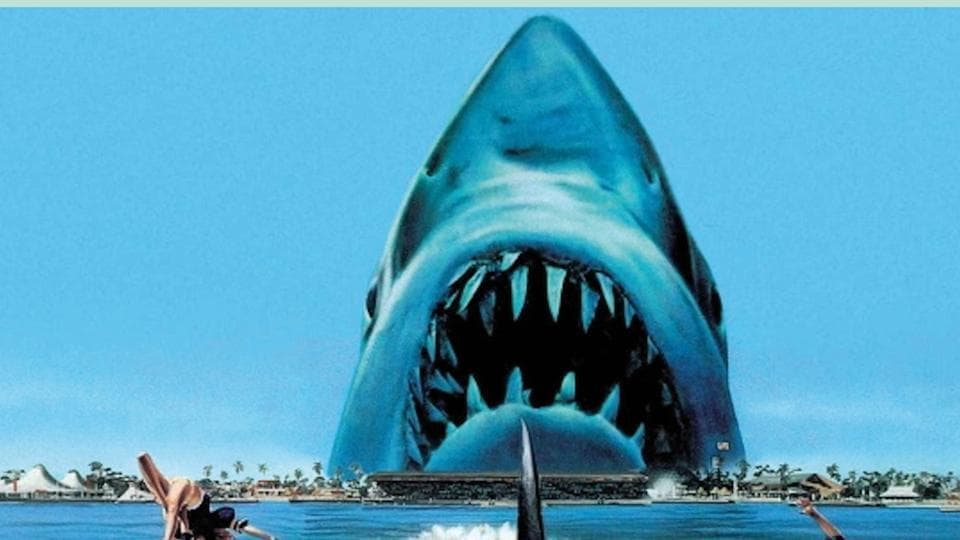
I can’t remember how old I was when my mum took me to watch Jaws 3. The film came out in 1983, but there’s a good chance it released in India a year or two later. By all accounts, I couldn’t have been older than seven or eight when I watched the film at Mumbai’s New Excelsior Cinema. I’ve asked my mum several times over the years why she thought it was okay to take a kid to a film about a killer shark on the prowl, or how they even let me into that film. She thinks she probably took me because it was in 3D, and at the time only children’s films like Chhota Chetan (the very popular dubbed version of the Tamil film My Dear Kuttichathan) released in 3D. Clearly, cinema entry rules were also lax back then.
What I remember about watching that film was the sheer thrill of putting on those flimsy 3D glasses (one lens made out of red cellophane paper, the other of blue) and quaking in my tiny shoes each time the ominous background score suggested that the man-eater was lurking nearby. It’s hard to forget how I, and most others in the cinema, jumped in our seats when a severed human head floated up into the eyeline of tourists who were visiting the underwater theme park where the film was set. I remember also how that jump scare was immediately followed by laughs from everyone, as if to cover up our collective moment of weakness and to appear braver than we were.
Jaws 3-D wasn’t a very good film, as I learnt when I revisited it in my teenage years. But for a seven-year-old just about understanding the power of the movies, it was one hell of an experience. It led me to going back and discovering the original Jaws, directed by Steven Spielberg, which to this date remains one of the most impactful films of my life. It led to my lifelong fascination with sharks; so much so that I finally mustered up the courage to do a shark dive on a trip to Cancun some years ago.
Primal instinct
In the summer holidays of 1985, at the Strand Cinema, which was across the road from my grandparents’ home in Colaba, my cousins and I were escorted by a house help to watch a new Hindi film for kids that had just come out. More than the excitement of watching the film, it was the outing with cousins that I was looking forward to. And while my memory of the film itself is sketchy, I know how that afternoon made us yearn for an adventure of our own.
The film was Aaj Ke Sholey, a Goonies-meets-Famous Five kind of thrilling caper that involved a group of kids relying on their smarts while navigating thick forests and dark caves in search of something that I have no recollection of. Sadly, the internet doesn’t throw up much when it comes to this film (it’s also been impossible to find on VHS, DVD or torrent), and a bare bones synopsis only reveals that the kids were on a mission to find and rescue two of their friends who’d been kidnapped. For the rest of the summer break, we cousins spent much time breaking into an abandoned scrapyard nearby, searching for thrills, pretending to be invincible and daring, even coming up with an anthem that we hummed together as we slayed imaginary beasts.
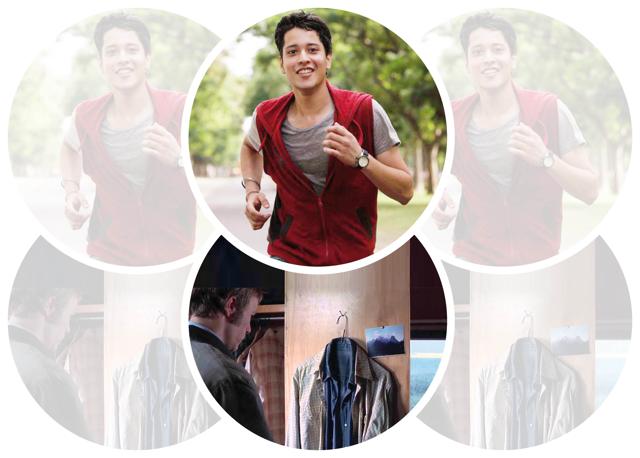
The films that stay with us longest tend to be the ones that make us feel something—joy, anger, shame, a sense of loss, anything really. Watching Vikramaditya Motwane’s Udaan for the first time is an emotion that’s impossible to shake off. The gut punch of that last scene in Brokeback Mountain, when you discover the shirt folded within the shirt, remains fresh even though it’s been years since I watched that film.
Even when the memories fade, you’ll still be able to conjure up that primal feeling of what that film did to you.
Formerly a film journalist, Rajeev Masand currently heads a talent management agency in Mumbai
From HT Brunch, November 26, 2022
Follow us on twitter.com/HTBrunch
Connect with us on facebook.com/hindustantimesbrunch


