
 E-Paper



YOLO therefore solo. Meet the women living the spouse-free life

 Prefer HTon Google


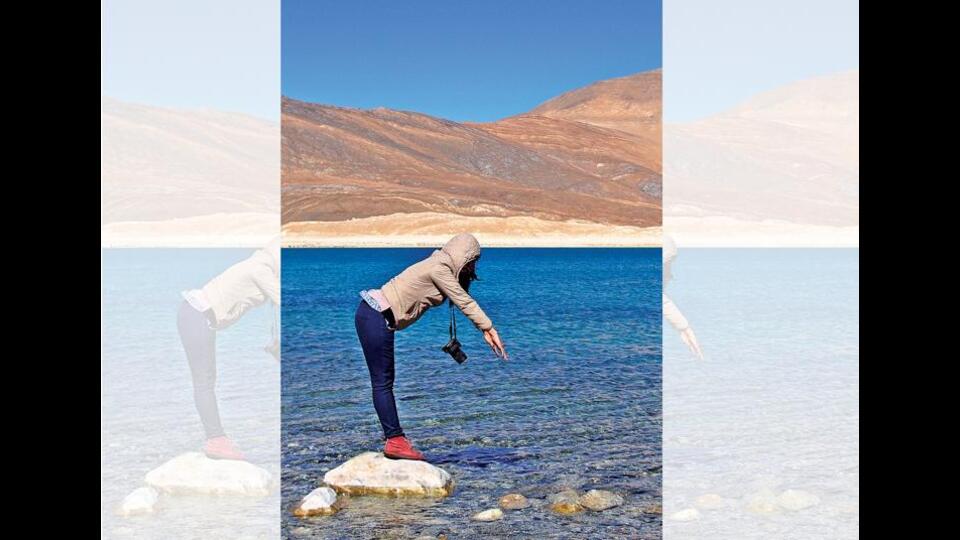
More Indian women are living out their Happily Ever After without a man. It’s not easy. See how they’re figuring it all out
For some women, the recipe for Happily Ever After comes with one ingredient less: A man. Instead of aiming for couplehood, they’re choosing to stay single, relying on their own finances and networks of family and friends for fulfilment. The recipe needs a bit of prep, they admit -- but they’re loving how it’s turning out.
Writer and author Sreemoyee Piu Kundu, 45, grew up in Kolkata where middle-class women were married by their 20s, before she moved to Delhi. “We would rush to the library for Mills & Boon romance novels, Nancy Drew was the rage as she had a boyfriend, Ned, whom she kissed in one book,” she recalls. “Being liked by a man meant being sexually validated.” Being married was the goal. After two relationships, one of which ended at 24, with her fiancé breaking it off via SMS text, she’s chosen to skip the goal entirely.
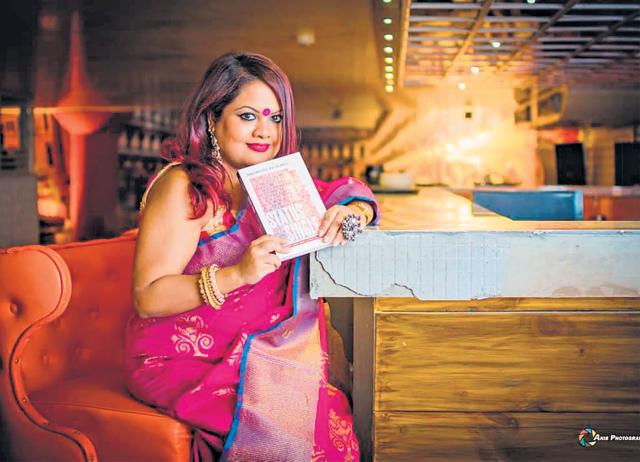
Nidhi Sharan, 47, a single mother of two who runs a cloud kitchen in Delhi-NCR, says she got married at 24, owing to social pressure on her parents to get daughters married by 23. She remembers making it clear to her in-laws that she intended to work after the wedding. “The idea of depending on a man to make us happy starts very early in India,” she says. She has been single for two years and intends to stay so.
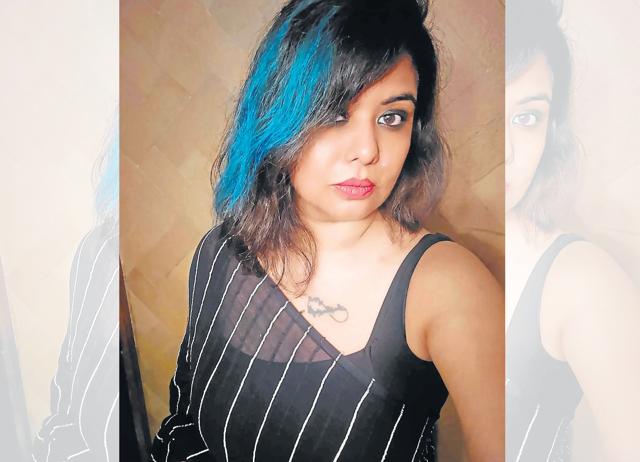
Ipsita Roy, 35, a jazz musician and educator, grew up in Kolkata and now lives in Texas in the US. Luckily for her, there was always never any pressure to seek out a husband. “My father’s aircraft engineer colleagues would ask him why I was bothering to study engineering if I would be married eventually. He’d get furious and tell them that his daughters are better than sons.” She divorced before she turned 30. She also began to ponder over why she wanted a relationship. “I couldn’t come up with an answer,” she said. “I was not lonely or empty. I could take good care of myself financially and emotionally. I take myself out to dinner and drinks. I do lots of solo trips. There was no need for a partner.”
Puzzle pieces
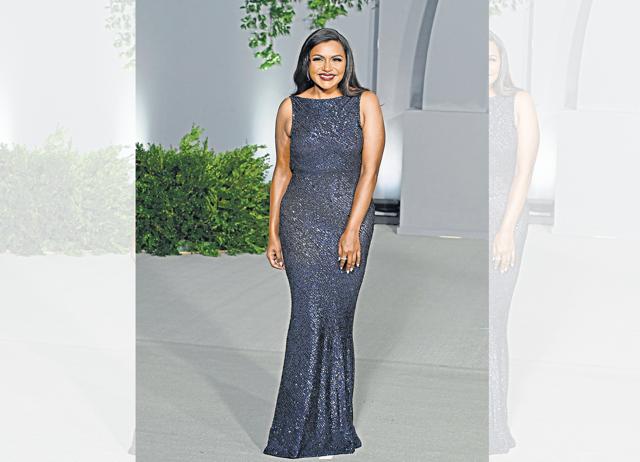
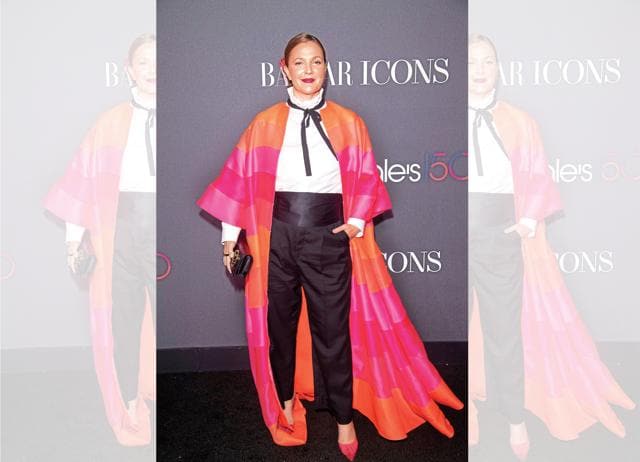
It’s common, fashionable even, to blame romantic comedies for setting fairy-tale-level expectations from relationships. Yet, even in Hollywood, more women are flaunting their single status. Emma Watson has popularised the term “self-partnered” in response to media queries on her love life (She started dating businessman Brandon Green this year). Mindy Kaling has told interviewers that she’s not interested in couplehood. Emilia Clarke flashes her unattached status as a badge: “As women it’s in our nature to nurture someone else. Sometimes at the expense of ourselves”. In her memoir, Wildflower, Drew Barrymore says “we rush through being ‘single’ as if it’s some disease or malady to get rid of or overcome”. She’s been single for years.
It’s not easy, the Indian women say. “It’s extremely lonely, extremely tiring and financially tough,” Kundu admits. There’s no one to drive you to the hospital. It’s hard to find a place to rent in a big city. People assume women can’t handle finances or their lives without male assistance. “If you are separated are choosing to stay single and happy, you’re doomed,” Sharan says. “You are expected to be sad, unkempt. Men assume it’s ok to approach you.”
Women also tend to live longer than men. So, it’s a longer road ahead for a woman walking it alone. “You lose your social circle as your friends get married and spend weekends with their husbands and kids.” Several of her married friends, Kundu says, have ended up stuck and isolated even with a family. “I would rather be self-partnered than being compromisingly partnered,” says Kundu. She’s also saving up to spend her final years in an assisted-living community.
It also means facing up to one’s own failings and limitations. “Some people thrive by spending their energy reserves on others, often expecting nothing in return. I am not that person and I am not ashamed to say it. So now I just give myself the energy,” Roy explains.
Being spouse-free isn’t the same as being love-free. It’s just that love comes from different sources. Sharan rekindled friendships with her school and college friends after her divorce. That tight circle takes care of her social and emotional needs. Having no one to answer to or accommodate means she is also able to pursue her interests without guilt. This year, she took garba classes for a month and danced at Navratri for the first time.
Join the dots
“By choosing to remain single, we are actually challenging the whole system,” Sharan observes. “Society believes that women who are spouse-free are covering up their inability to find a man. But the reality is that society, especially men, are scared of change and are unable to handle women’s growth.”
Single women round the world, on the other hand, are coalescing into a giant huddle, finding strength in each other. Solo travel groups and mental-health initiatives for unattached women are flourishing. “Gone are the days when women hanging out with women is seen as sad and bad,” says Kundu. “It’s a guilt-free, judgement-free sisterhood.”
Roy describes her happily ever after as living in a high-rise in Manhattan, being able to visit her niece and friends whenever she wants, spending time by herself, and feeling joy when she wakes up, make coffee and plays the piano. “We don’t want to settle. We don’t want to marry someone even if we love them, if they cannot respect our choices,” Roy says. “Love is not enough.”


