
 E-Paper



Shattila Ekadashi vrat katha to Shattila Ekadashi 2026 correct date and time, shubh muhurat, rituals, fasting rules

 Prefer HTon Google


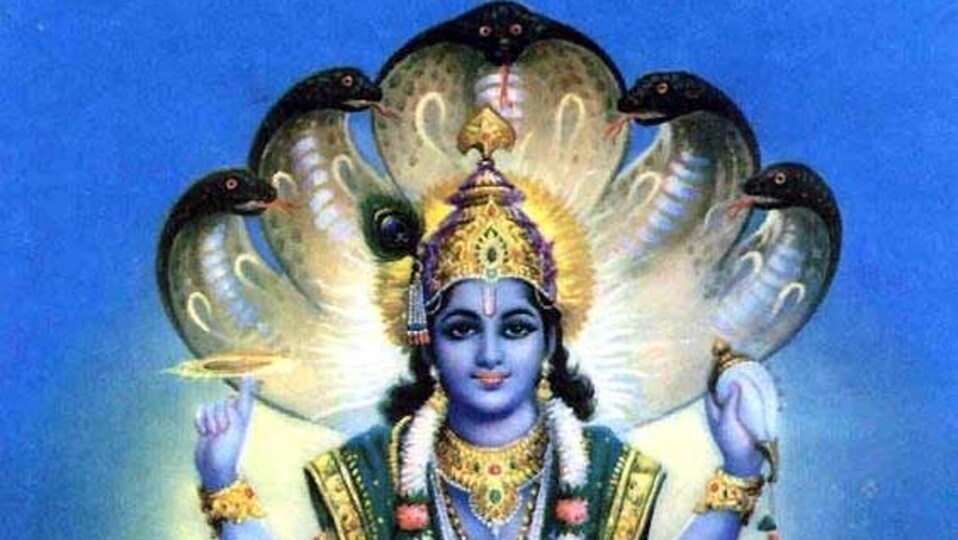
When is Shattila Ekadashi 2026? Check date, shubh muhurat, rituals and everything else you need to know about the day dedicated to Lord Vishnu.
Shattila Ekadashi 2026 — the year’s first spiritually charged observance for devotees of Lord Vishnu. Occurring in the Hindu month of Magha, this Ekadashi is distinguished by its strong link to sesame seeds (til). It is said that keeping the fast with sincere devotion purges past sins and invites prosperity. Also read | Mokshada Ekadashi rituals, vrat katha and more details
Shattila Ekadashi 2026 date and time
In 2026, Shattila Ekadashi coincides with the auspicious festival of Makar Sankranti, making it a rare and powerful day for charity. According to the Hindu Panchang, Shattila Ekadashi is observed on the 11th day (tithi) of the Krishna Paksha in the month of Magha.
⦿ Shattila Ekadashi date: Wednesday, January 14, 2026
⦿ Ekadashi tithi begins: 03:17 pm on January 13, 2026
⦿ Ekadashi Tithi ends: 05:52 pm on January 14, 2026
⦿ Parana (fast breaking) Time: January 15, 2026, from 07:15 am to 09:21 am
⦿ Since the Ekadashi tithi prevails during sunrise on January 14, the fast is traditionally observed on Wednesday.
Significance of Shattila Ekadashi
The word ‘Shattila’ is derived from 'shat' (six) and 'tila' (sesame). On this day, sesame seeds are used in six specific ways to gain spiritual benefits and purify the body:
⦿ Til-snan: Mixing sesame seeds in bathing water.
⦿ Til-ubtan: Applying a paste made of sesame seeds on the body.
⦿ Til-havan: Offering sesame seeds into the sacred fire during puja.
⦿ Til-tarpan: Offering water mixed with sesame seeds to ancestors.
⦿ Til-bhojan: Consuming food prepared with sesame seeds.
⦿ Til-daan: Donating sesame seeds to the needy.
Shattila Ekadashi vrat rituals and puja vidhi
To observe the Shattila Ekadashi fast properly, devotees follow these steps:
⦿ Wake up during Brahma muhurta and take a bath using water mixed with sesame seeds.
⦿ Take a vow (sankalp) to observe the fast with full devotion to Lord Vishnu.
⦿ Light a lamp with sesame oil and offer yellow flowers, Tulsi leaves, and fruits to Lord Vishnu.
⦿ Special bhog consisting of sesame seeds and jaggery (til-Gud) is offered to the deity.
⦿ Recite the Vishnu Sahasranama or the mantra Om Namo Bhagavate Vasudevaya.
⦿ Read or listen to the Shattila Ekadashi vrat katha to complete the ritual.
Shattila Ekadashi fasting rules
⦿ Avoid all types of grains (rice, wheat, etc.) and pulses.
⦿ If not observing a complete fast, one can consume milk, fruits, and nuts (Phalahar).
⦿ Practitioners should avoid anger, falsehood, and negative thoughts.
⦿ This day is highly auspicious for donating clothes, food, and specifically sesame seeds to the poor.
Shattila Ekadashi vrat katha
The Shattila Ekadashi Vrat Katha shared on Drikpanchang.com is a powerful story that emphasiszes the importance of annadanam (donating food) and selfless charity alongside religious devotion. Here is a summary of the legend:
Long ago, there lived a Brahmin widow who was a deeply devoted follower of Lord Vishnu. She spent her life performing intense penance, observing strict fasts, and maintaining purity of mind and body. While her devotion was unmatched, she had one significant flaw: she never donated food or grains to the poor or to Brahmins, believing that her personal austerities were enough to please the Lord.
Lord Vishnu decided to teach her the value of charity. He descended to Earth disguised as a poor beggar (or a wandering monk) and approached her for alms. Irritated by the interruption, the woman picked up a lump of clay (mud) and dropped it into the Lord’s begging bowl. Lord Vishnu quietly accepted the mud and returned to his divine abode.
Eventually, the woman passed away and, due to her lifelong devotion, reached Vaikuntha (the heavenly abode of Vishnu). However, she was shocked to find that her home there was a beautiful but empty palace. There was no food, no wealth, and nothing to sustain her. Distressed, she asked Lord Vishnu, "I spent my whole life fasting and worshipping you. Why is my home empty?"
The Lord replied, "You have a house because you gave me a lump of clay, which I transformed into this palace. But because you never gave food or grains to others on Earth, you have nothing to eat here."
The remedy: Shattila Ekadashi
Seeing her remorse, Lord Vishnu told her that the celestial goddesses (Dev Kanyas) would soon visit her. He instructed her not to open her door until they explained the significance and method of the Shattila Ekadashi fast.
She followed his advice. When the goddesses arrived, she requested the secret of the fast. After learning the rituals, she observed Shattila Ekadashi with full faith. As a result, her palace was instantly filled with food, wealth, and every comfort she lacked.


Catch your daily dose of Fashion, Taylor Swift, Health, Festivals, Travel, Relationship, Recipe and all the other Latest Lifestyle News, Merry Christmas 2025 on Hindustan Times Website and APPs.


