
 E-Paper



Chef Ranveer Brar calls ‘superfood’ a marketing stunt, says real nutrition lies in India’s traditional food wisdom

 Prefer HTon Google


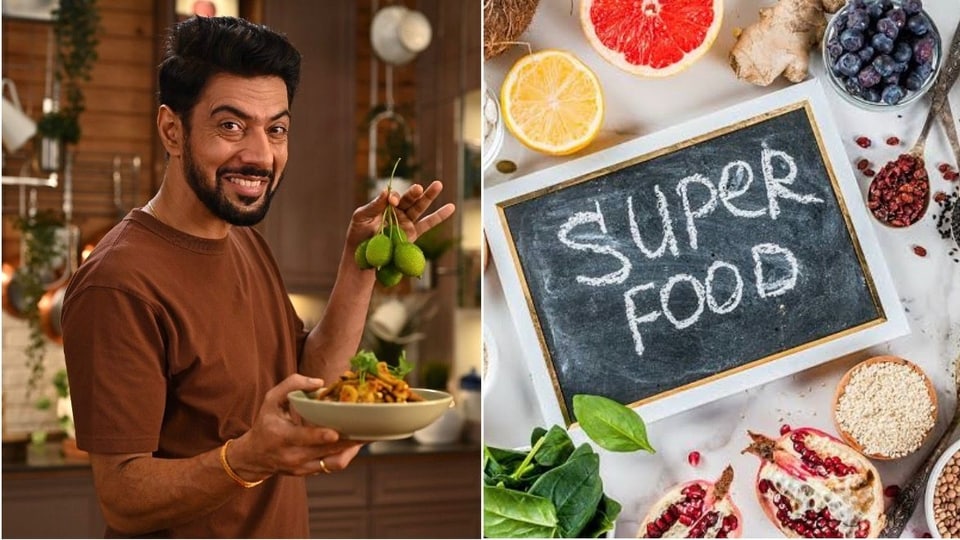
Ranveer Brar breaks down the superfood myth, calling it marketing-driven hype while highlighting India’s traditional, effect-first approach to nutrition.
The global wellness industry is worth over a trillion dollars, and much of it revolves around one powerful buzzword: superfood. But who actually defines it? And who decides which ingredient earns the label? According to Ranveer Brar, the answer is far less scientific than we assume and far more commercial.
In an April 24 podcast with Soha Ali Khan, chef Ranveer Brar shared his perspective on the subject, offering a candid look at how food trends are shaped and marketed today. (Also read: Chef Ranveer Brar shares easy and delicious mango milkshake and smoothie recipes: See step-by-step preparation )
Ranveer Brar on India’s traditional ingredients
Ranveer Brar began by addressing the ongoing quinoa-versus-millets debate. While millets are often praised for being more affordable and nutrient-dense, he offered a more balanced view. Quinoa’s global rise, he said, actually helped bring long-overdue attention back to millets.
He highlighted several traditional Indian ingredients that are nutritional powerhouses in their own right. Ragi (finger millet) is rich in calcium and essential micronutrients, while fruits like jamun and falsa stand out for their deep colour and high antioxidant content. Makhana (fox nuts), too, offer impressive fibre content and help keep you fuller for longer.
India’s effect-first food philosophy
What connects these foods, he explained, is India’s long-standing effect-first approach to nutrition. “Eat it because it works,” he said, recalling how Indian households never relied on scientific explanations, only lived experience. He even shared a childhood memory of his grandmother grinding moringa roots and giving him the juice, guided purely by inherited wisdom.
Brar linked this philosophy to Ayurveda, which focuses on observable effects rather than isolated chemical causes. In contrast, modern Western nutrition often works in reverse, identifying compounds first and then studying their impact. “Our science is engineered differently,” he noted.
This difference, he added, may also explain why Indian ingredients took longer to gain global recognition. The famous turmeric episode, when a German company attempted to patent haldi’s healing properties, served as a reminder of how deeply valuable India’s everyday ingredients truly are.
The “superfood” debate
On the idea of “superfoods” itself, Brar was clear and direct. “It’s a marketing stunt,” he said. “Who defines superfoods? A company trying to sell a product.”
He pointed out how modern wellness marketing often relies on listing complex chemical compounds to build credibility, even when most consumers neither understand nor need that information. In reality, he said, it’s less about health and more about selling a story.


