
 E-Paper



Tannishtha Chatterjee diagnosed with stage 4 oligometastatic cancer: AIIMS oncologist explains what it is, treatment

 Prefer HTon Google



AIIMS oncologist Dr Kumar explains stage 4 oligometastatic cancer, emphasising the need for complete imaging and a multidisciplinary approach for treatment.
In an August 24 Instagram post, actor Tannishtha Chatterjee revealed that she has been diagnosed with stage 4 oligometastatic cancer. She posted a picture of herself with a shaved head and penned a long note of her ‘incredibly difficult’ journey after losing her father to cancer.
Also Read | Cancer specialist warns your ‘tea, pakora and even tap water could be cancer traps in monsoon’
But what is stage 4 oligometastatic cancer? In an interview with HT Lifestyle, Dr Santhosh Kumar KN, associate consultant, HCG Bangalore, MBBS, MD medicine (AIIMS, New Delhi), DM medical oncology (AIIMS, New Delhi), explained what stage 4 oligometastatic cancer is, its treatments and diagnosis, and more.
What is stage 4 oligometastatic cancer?
Dr Kumar explained that stage 4 cancer is the condition where the cancer has spread far from the site of origin, with poor outcomes compared to locoregional disease. He stated: “Observations in the 1990s showed that a subset of stage 4 cancer patients, who had a limited number of metastases (sites of cancer spread), had favourable outcomes, which led to the development of the oligometastasis concept.”
According to him, the term is a Greek derivative; oligo means few and metastasis means migration. “Conventionally, it was considered less than 5 tumour lesions in less than 3 distant organs. However, with improvements in technology and a better understanding of cancer biology, any number of lesions that can be addressed by local therapies are considered to be oligometastatic cancer,” he explained.
How is it diagnosed? What is the survival rate?
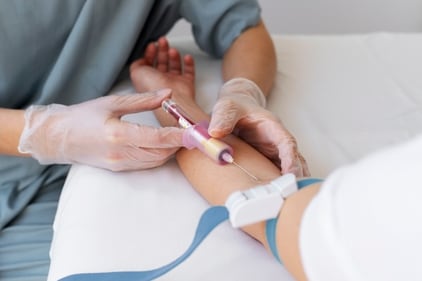
According to Dr Kumar, the diagnosis of stage 4 oligometastatic cancer relies on complete imaging of the body with sensitive modalities. He suggests, “FDG PET is the most common, sensitive modality to pick up even small lesions at distant sites. In cases where tumours do not show up on an FDG PET Scan or where PET scan facilities are not available, contrast CT scans can pick up oligometastatic cancers.”
As for the survival rate, Dr Kumar pointed out that it varies depending on:
- The number of metastases
- Site of oligometastasis
- Response to local therapies
- Tumour biology
- Sensitivity to systemic chemoimmunotherapy or targeted therapies and the general condition of the patient.
He added, “For example, with de novo oligometastatic hormone-positive breast cancer, survival outcomes are better, whereas oligometastatic small cell cancer developed on treatment with brain metastasis have comparably poor outcomes.”
What patients should know about stage 4 oligometastatic cancer?
Dr Kumar explained that when you have oligometastatic cancer, every effort will be made for complete head-to-toe imaging to identify all the sites of disease.
“The biology of the disease will be understood to predict the future behaviour (prognosis) of the tumour, for example, genetic studies on tumour tissue can find alterations that can be targeted by drugs, and previous treatment history will be studied. Then the case will be evaluated in detail in multimodality tumour boards (MDT) for optimal local and systemic control. MDTs involve surgical oncologists, radiation oncologists, medical oncologists, interventional radiologists, pathologists, molecular biologists, etc, to address individual cases that need multimodal treatments,” Dr Kumar stated.
Additionally, he advised that patients should not panic and give up hope with oligometastatic cancer. “Every potential strategy should be implemented to consider oligometastatic disease for definitive treatment rather than palliative treatment. When there are no definitive options or when the disease state is in a data-free zone, patients should be enthusiastic and motivated to participate in clinical trials to improve outcomes,” he explained.
How is stage 4 oligometastatic cancer treated?
Dr Kumar stated that systemic treatment (chemotherapy, immunotherapy or targeted therapy as applicable based on tumour biology) will be given to control the systemic spread of the tumour and understand the behaviour of the tumour, which also predicts survival.
“Then, local therapies are directed towards the primary site and metastatic disease. Local therapies include surgery, radiation, embolisation(block blood supply to tumour) and other modalities. Systemic treatment will be continued after local treatment, which will be tailored based on the response of the tumour,” he added.
What are the most common types of stage 4 oligometastatic cancer?
According to Dr Kumar, the most common stage 4 oligometastatic cancers that can be successfully treated asof 2025 are breast cancer, colorectal cancer, prostate cancer, and lung cancer.
Note to readers: This article is for informational purposes only and not a substitute for professional medical advice. Always seek the advice of your doctor with any questions about a medical condition.


Catch your daily dose of Fashion, Taylor Swift, Health, Festivals, Travel, Relationship, Recipe and all the other Latest Lifestyle News on Hindustan Times Website and APPs.


