
 E-Paper



Stop using these 5 cooking oils, warns cardiologist, as they raise heart disease risk

 Prefer HTon Google


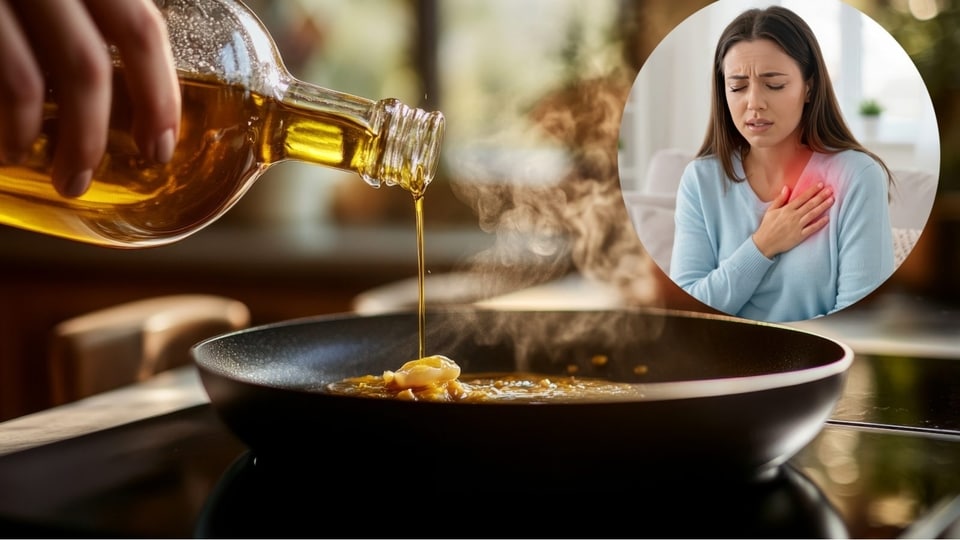
Some common oils may harm your heart. A cardiologist warns against 5 cooking oils that could increase the risk of heart disease, high BP, and cholesterol.
Heart health is not just about exercise or avoiding junk food, but it also depends on the cooking oil you use every day. While some oils support a healthy heart, others can quietly do harm over time. Dr Amit Bhushan Sharma, Director and Unit Head, Cardiology, Paras Health, has cautioned against some widely used cooking oils that can raise the risk of heart disease, high cholesterol, and chronic inflammation. These oils are often loaded with saturated or trans fats, or so heavily processed that they lose nutritional benefits and develop harmful compounds. Despite being common in kitchens, they may be quietly driving problems like obesity, clogged arteries, and high blood pressure levels, making them a hidden risk for your health.
Unhealthy cooking oils
Here are some of the worst cooking oils that can cause harm to your heart health, increasing the risk of heart disease, according to the health expert:
1. Hydrogenated oils (vanaspati or dalda)
Often used in Indian households and commercial cooking, vanaspati (or dalda) is made by hydrogenating vegetable oil, a process that produces trans fats, which are known to be extremely harmful to heart health. According to the American Heart Association, trans fats increase LDL (bad cholesterol) and decrease HDL (good cholesterol), raising the risk of heart disease and stroke. Dr Bhushan strongly advises against using these oils in any form to Health Shots.
2. Palm oil
Palm oil is inexpensive and widely used in processed foods and frying, but it contains high levels of saturated fats, which can raise LDL cholesterol and contribute to atherosclerosis, the narrowing of arteries due to plaque buildup. A study published in the Journal of Nutrition found that palm oil consumption was linked to higher total cholesterol levels. Dr Bhushan warns that regular intake, especially of fried foods, can negatively impact cardiovascular health.
3. Refined vegetable oils
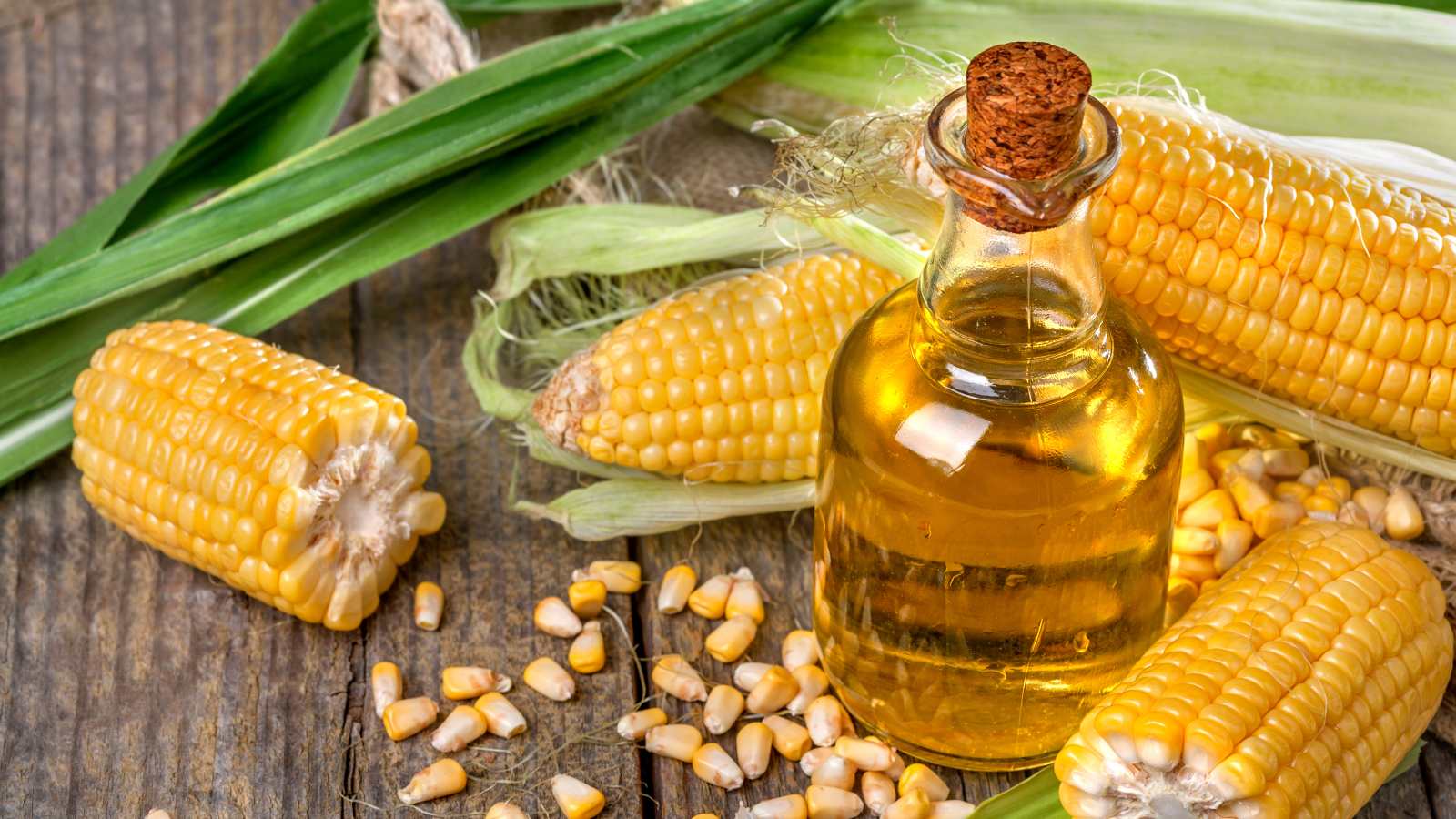
Oils like refined sunflower, soybean, and corn oil may seem healthy, but the refining process strips them of natural nutrients and introduces chemical residues and oxidized fats. These oils are also rich in omega-6 fatty acids, which, when consumed in excess, promote inflammation, a known factor in heart disease. Instead, choose cold-pressed or less processed versions of these oils in moderation.
4. Cottonseed oil
Often found in snack foods and fast foods, cottonseed oil is another refined oil high in saturated fat and omega-6 fatty acids. It also contains gossypol, a naturally occurring toxin in cotton plants, which may have adverse effects on health if not properly removed during processing. Its high amount of omega-6 compared to omega-3 can upset the balance of healthy fats in the body, which may harm heart health.
5. Coconut oil (when consumed in excess)
Though known as a one of the healthy oils in recent years, coconut oil is around 90 percent saturated fat, even higher than butter, as per Harvard Health. While small amounts may have benefits, excessive use can raise LDL cholesterol levels, especially when used in deep frying. Dr Bhushan notes that moderation is key, as regular excessive use can negate any potential advantages.
What should you use instead?
Use of mustard oil, groundnut oil, rice bran oil, and certain types of olive oil in moderation should be okay, says Dr Bhushan. These oils are rich in monounsaturated fats and antioxidants, which can lower bad cholesterol and support heart health. Variety and balance are also crucial, no single oil is perfect, but rotating healthy options is the best way to protect your heart.
Frequently asked questions (FAQs)
1. What makes palm oil risky for cardiovascular health?
Palm oil is high in saturated fats. Regular consumption can raise LDL cholesterol and contribute to plaque buildup in arteries (atherosclerosis).
2. Why are trans fats dangerous?
Trans fats raise bad cholesterol (LDL) and lower good cholesterol (HDL), which can lead to clogged arteries, inflammation, and increased risk of heart attacks and strokes.
3. Are all saturated fats bad?
Not all. Some natural sources, like coconut oil, can be used in moderation, but excessive intake of saturated fats can increase LDL cholesterol and heart disease risk.


Catch your daily dose of Fashion, Taylor Swift, Health, Festivals, Travel, Relationship, Recipe and all the other Latest Lifestyle News on Hindustan Times Website and APPs.


