
Considering a gluten-free diet to stay healthier? Nutrition expert says know these facts first
Gluten-free foods are rich in fibre. Therefore, they support digestion and may aid weight management. But does that really make them healthy?
Is losing weight and maintaining a healthier lifestyle on your bucket list? If yes, you probably should be mindful of what to eat and what to avoid. Gluten-free foods have gained popularity for several reasons, including claims of better digestion and reduced inflammation in the body. This category of foods is often rich in fibre (both soluble and insoluble), which plays a key role in supporting digestive health. Gluten-free whole foods also provide essential nutrients such as plant-based proteins, B vitamins, and minerals like iron and magnesium. Plus, they contain bioactive compounds such as flavonoids and phenolic acids, which may help support blood sugar management.
Ishika Narang is a Multimedia Writer at the Hindustan Times, with over three years of experience in digital journalism, specialising in health, lifestyle, beauty, and consumer-focused reporting. Her primary coverage areas include evidence-based health journalism, preventive care, wellness trends, and affiliate-driven consumer guides tailored for digital audiences. She began her professional journey in digital media, where she developed expertise in multimedia storytelling and platform-optimised editorial strategies. Over the years, she has worked with reputed organisations such as Park+, Jagran, and Wavel.ai, steadily building credibility in health and consumer journalism. Her work reflects a strong progression in editorial responsibility, combining research-backed reporting with audience-focused content formats. At Hindustan Times, she produces in-depth health and lifestyle features, expert-led explainers, and data-informed consumer stories. She also focuses extensively on affiliate articles, creating well-researched buying guides, product comparisons, and recommendation-based content that balances commercial intent with editorial integrity. Alongside writing, she conceptualises and manages social media storytelling, ensuring content is informative, engaging, and optimised for platform-specific consumption. Her subject expertise includes preventive healthcare, nutrition, supplements, women’s health, beauty trends, consumer awareness, and affiliate commerce content. She integrates expert consultations, peer-reviewed research, verified product analysis, and transparent sourcing. Her strengths lie in evidence-based storytelling, simplifying complex information, and producing reader-first affiliate content that prioritises trust and value. Ishika holds a Bachelor of Commerce (B.Com) in Marketing from Guru Gobind Indraprastha University, which enhances her understanding of consumer behaviour, digital commerce, and audience engagement, skills that complement her specialisation in consumer and affiliate journalism. She is committed to ethical reporting, transparent affiliate disclosures, rigorous fact-checking, and maintaining editorial credibility, ensuring every story upholds reader trust and journalistic standards.
Read moreRead less
Dietitian and Nutritionist Nisha tells Health Shots, “Gluten is a protein that is found in wheat, barley, and rye that helps food keep its shape. For most people, including children, gluten is harmless. But in some cases, it can cause digestive problems.”
What are gluten-free foods?
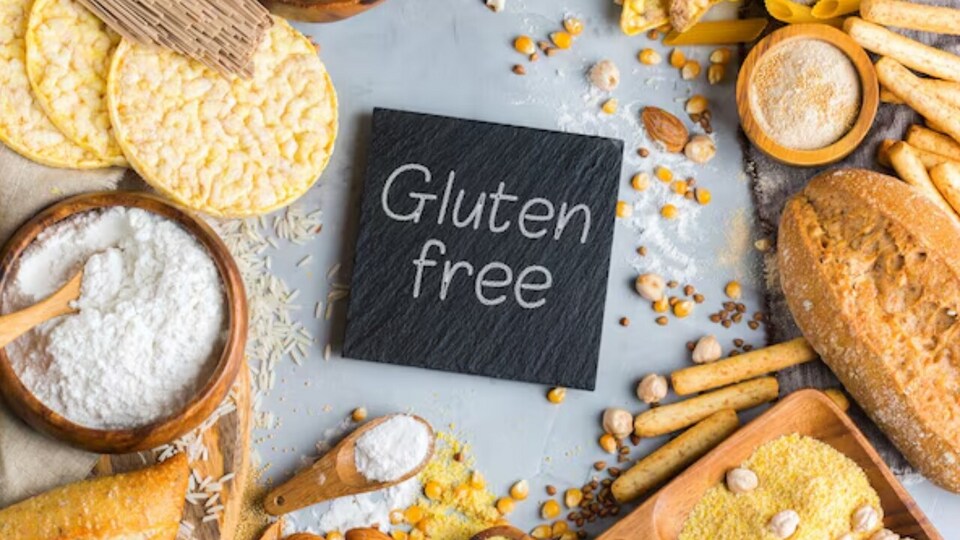
This category of food contains no detectable amount of gluten, a protein found in wheat, barley, and rye, noted in Science Direct. Gluten-free food includes fresh fruits, vegetables, meat, eggs, dairy, and cereals like rice, quinoa, and millet. These contain protein, amino acids, unsaturated fatty acids, and dietary fibres that help in regulating digestion and blood sugar. Plus, these also offer micronutrients like minerals and vitamins.
Types of gluten-free foods
There are two types of gluten-free food:
1. Unprocessed gluten-free foods
These are driven not by processing and may include:
- Protein: Fresh meat, fish, and eggs.
- Dairy: Milk, yoghurt, and plain cheese.
- Fruits and vegetables: all fruits and vegetables.
- Legumes, nuts, and seeds: These include beans, lentils, chickpeas, nuts, and seeds.
- Fats and Oils: Olive oil, coconut oil, ghee, and butter.
2. Processed gluten-free food
These kinds of food are driven by manufacturing and may include:
- Baked goods like breads, cookies, cakes, and crackers.
- Pasta: Noodles made from rice, corn, and beans.
- Flours
- Snacks like plain chips and popcorn.
Do gluten-free foods make you healthier
Gluten-free foods are mainly helpful for those who must avoid gluten. So, naturally available gluten-free options are advisable for the healthier approach.
Gluten-containing foods can be healthier for those children and adults who tolerate them. So, understand that whole grains like wheat and barley provide fibre, vitamins, and energy important for good digestion and enhance overall well-being.
When is gluten not healthier?
It may be harmful to children and adults with celiac disease, wheat allergy, or gluten sensitivity because it can damage the gut and impair growth and nutrition, according to the nutritionist.
Are they actually healthier than regular ones?
No, according to the nutritionist, gluten-free foods are not healthier than regular foods and may be deficient in essential nutrients. As a result, it is critical to seek professional assistance and select healthy options that will contribute to overall well-being.
Important considerations to make:
- Always check the label
- Consult a doctor if you have the deficiencies related to fibre, iron, and B vitamins.
As per the nutritionist, you must eat a balanced diet that includes millets, corn, carrots, cucumber, broccoli, cauliflower, and rice. Whether to choose a gluten-free diet or not should be decided after consulting a doctor.
(Note to readers: This article is for informational purposes only and not a substitute for professional medical advice. Always seek the advice of your doctor with any questions about a medical condition.)
ABOUT THE AUTHORIshika NarangIshika Narang is a Multimedia Writer at the Hindustan Times, with over three years of experience in digital journalism, specialising in health, lifestyle, beauty, and consumer-focused reporting. Her primary coverage areas include evidence-based health journalism, preventive care, wellness trends, and affiliate-driven consumer guides tailored for digital audiences. She began her professional journey in digital media, where she developed expertise in multimedia storytelling and platform-optimised editorial strategies. Over the years, she has worked with reputed organisations such as Park+, Jagran, and Wavel.ai, steadily building credibility in health and consumer journalism. Her work reflects a strong progression in editorial responsibility, combining research-backed reporting with audience-focused content formats. At Hindustan Times, she produces in-depth health and lifestyle features, expert-led explainers, and data-informed consumer stories. She also focuses extensively on affiliate articles, creating well-researched buying guides, product comparisons, and recommendation-based content that balances commercial intent with editorial integrity. Alongside writing, she conceptualises and manages social media storytelling, ensuring content is informative, engaging, and optimised for platform-specific consumption. Her subject expertise includes preventive healthcare, nutrition, supplements, women’s health, beauty trends, consumer awareness, and affiliate commerce content. She integrates expert consultations, peer-reviewed research, verified product analysis, and transparent sourcing. Her strengths lie in evidence-based storytelling, simplifying complex information, and producing reader-first affiliate content that prioritises trust and value. Ishika holds a Bachelor of Commerce (B.Com) in Marketing from Guru Gobind Indraprastha University, which enhances her understanding of consumer behaviour, digital commerce, and audience engagement, skills that complement her specialisation in consumer and affiliate journalism. She is committed to ethical reporting, transparent affiliate disclosures, rigorous fact-checking, and maintaining editorial credibility, ensuring every story upholds reader trust and journalistic standards.Read More
Catch your daily dose of Fashion, Taylor Swift, Health, Festivals, Travel, Relationship, Recipe and all the other Latest Lifestyle News on Hindustan Times Website and APPs.

E-Paper


