
 E-Paper



Deadly fungus aspergillus fumigatus spreading in US ‘can rot human tissue from within’: Aspergillosis symptoms and more

 Prefer HTon Google


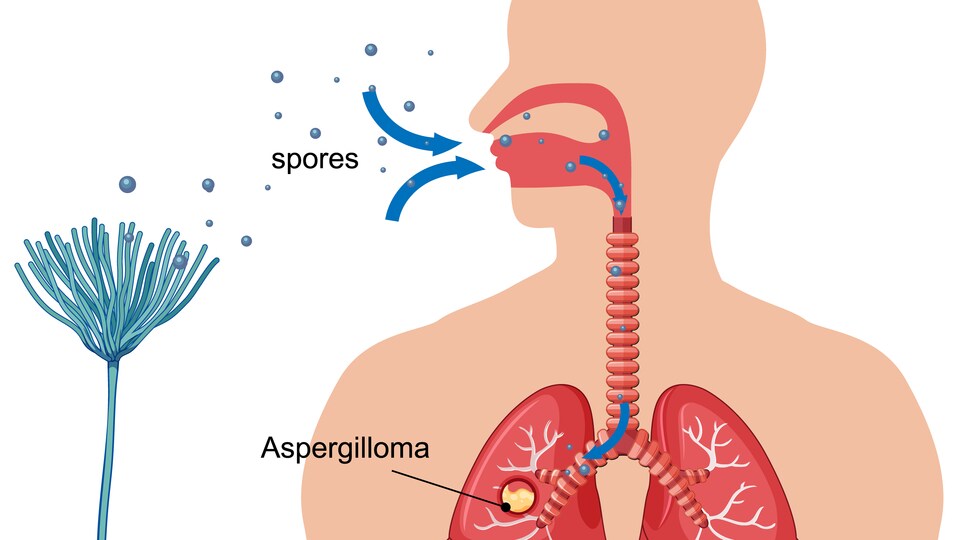
Is aspergillus fumigatus contagious? How do you get the infection? How is aspergillosis treated? Know aspergillus symptoms, risk factor, precautions and more.
Aspergillus fumigatus is a deadly fungus spreading rapidly across the US, posing a threat to people with weakened immune systems. It's an airborne fungus that releases microscopic spores, which can cause serious lung infections, including aspergillosis. Also read | Deadly fungus in US threatens lives as infection rates rise in these seven states
High-risk areas
The World Health Organization says aspergillus fumigatus is a top-priority fungal threat because it is becoming more resistant to drugs and kills so many people. The fungus grows well in warm, damp places.
US states with hot and humid climates – Florida, Louisiana, Texas, Georgia, and California – are particularly vulnerable due to their climate and farming activities. Cities with dense populations, such as New York, Houston, and Los Angeles, are also at risk of the infection ‘that can rot human tissue from within’ due to their large populations and ageing infrastructure, as per Daily Mail's June 16 report.
What is aspergillus fumigatus?
According to Cleveland Clinic, aspergillosis is a group of illnesses caused by Aspergillus fungi. Some types include allergic bronchopulmonary aspergillosis (ABPA), aspergilloma, chronic pulmonary aspergillosis and invasive aspergillosis.
Aspergillus is usually found outdoors, in dead leaves, plants, soil or compost, as per Cleveland Clinic. It’s occasionally found in moist environments indoors. Most people breathe in Aspergillus spores every day without getting sick. But in certain people, Aspergillus can cause allergic reactions, chronic lung conditions and invasive disease that spreads to your brain, kidneys, lungs or other organs.
Aspergillus vs black mold
According to Cleveland Clinic, aspergillus isn’t black mold. 'Black mold' is a common term used for the fungus stachybotrys chartarum. This isn’t the same mold that causes aspergillosis, but both are common molds that can make some people sick.
Aspergillus symptoms, prevention and precautions
As per Cleveland Clinic, aspergillosis can cause symptoms similar to many other illnesses, like fever, cough and shortness of breath. Symptoms of aspergillosis vary depending on the type and location in your body. Fatigue and weight loss can be symptoms of chronic pulmonary aspergillosis. You may have additional symptoms if the infection spreads to other parts of your body.
Aspergillus usually affects people with weakened immune systems or lung conditions. Treatments include surgery and antifungal medications. Individuals with weakened immune systems, such as those with chronic illnesses or taking immunosuppressive medications, should take extra precautions. Moreover, allergic aspergillosis usually affects people with asthma, bronchiectasis or cystic fibrosis.
Chronic forms of aspergillosis usually affect people with chronic lung conditions, like COPD, sarcoidosis and tuberculosis, as per Cleveland Clinic. Invasive aspergillosis usually affects people with a weakened immune system. This includes people who’ve had an organ or stem cell transplant, those who regularly use corticosteroids, those who have diabetes, and those with too few of certain white blood cells (neutropenia). Continued research and monitoring of the situation are crucial to understanding and combating the spread of aspergillus fumigatus.
How do you get an aspergillus infection?
Inhaling aspergillus from the air can cause an allergic reaction or an infection in your sinuses or lungs, as per Cleveland Clinic. From there, it can move to other parts of your body if your immune system can’t fight off the infection. It can also get into your body through a cut in your skin. But is aspergillosis contagious? No, according to Cleveland Clinic, aspergillosis isn’t contagious. You can’t catch it from another person.
What tests will be done to diagnose aspergillosis?
⦿ Allergy tests: Your provider may order blood or skin tests to diagnose allergic or chronic forms of aspergillosis.
⦿ Biopsy: Your provider may take samples of tissue or fluid to test for signs of an Aspergillus infection.
⦿ Blood tests: A blood test can help diagnose invasive aspergillosis early in people who have severely weakened immune systems.
⦿ Culture: Your provider may take samples of your body fluids — such as blood, mucus (sputum), or fluid from around your lungs, brain or spinal cord — and try to grow Aspergillus from it.
⦿ Imaging: Your provider may use X-rays or CT scans to look for signs of Aspergillus in the area of your body they think might be infected.
How is aspergillosis treated?
How your healthcare provider treats aspergillosis depends on the type and any underlying conditions you have. Surgery, antifungal medications and corticosteroids are the most common treatment options. If you’re at risk for aspergillosis, talk to a healthcare provider if you have any of the aforementioned symptoms.
Note to readers: This article is for informational purposes only and not a substitute for professional medical advice. Always seek the advice of your doctor with any questions about a medical condition.


Catch your daily dose of Fashion, Taylor Swift, Health, Festivals, Travel, Relationship, Recipe and all the other Latest Lifestyle News on Hindustan Times Website and APPs.


