
 E-Paper



Do routine blood tests tell the full story? Radiologist shares women's health issues that only imaging tools can detect

 Prefer HTon Google



Women's health issues often go unnoticed in routine blood tests and can be only detected through imaging. Dr Mohan shares the need for a comprehensive approach.
For many women, a ‘normal’ health report feels reassuring. Routine blood tests fall within range, and ongoing symptoms are often brushed off as stress, fatigue, or lifestyle-related. But doctors are increasingly pointing to a troubling disconnect: test results may look normal on paper while underlying health concerns continue to go unnoticed beneath the surface.
HT Lifestyle reached out to Dr Bimalpreet Mohan – the director, chief radiologist and women’s health expert at Capital Health Clinic, Hauz Khas, New Delhi – who explains, “Blood tests are important, but they don’t always give a complete picture. In many cases, imaging reveals structural or early-stage changes that routine reports fail to capture. This is why relying solely on lab results can sometimes delay diagnosis and treatment.”
Why blood tests don’t always tell the full story
Blood investigations typically assess hormone levels, inflammation, and organ function. However, not all conditions show immediate biochemical changes. Dr Mohan explains, “Many gynaecological and metabolic conditions begin with structural changes rather than hormonal shifts. So your reports may look normal even when something is developing internally. This gap makes imaging tools like ultrasound and MRI critical for early detection.”
Conditions that are often missed
Early-stage PCOS
Women may have normal hormone levels initially, but imaging can reveal ovarian changes such as multiple follicles or increased volume. These structural signs often appear before hormonal imbalance becomes evident.
Fibroids and uterine abnormalities
Fibroids can grow silently without altering blood reports unless complications arise. Imaging helps identify their size and location before symptoms become severe.
Fatty liver and visceral fat
Even women with normal weight and basic reports may have fat accumulation around internal organs. This hidden fat is linked to metabolic risk and can only be assessed through imaging.
Endometriosis and pelvic disorders
These conditions rarely show up in routine blood investigations. Diagnosis depends on imaging and symptom correlation, making them easy to miss.
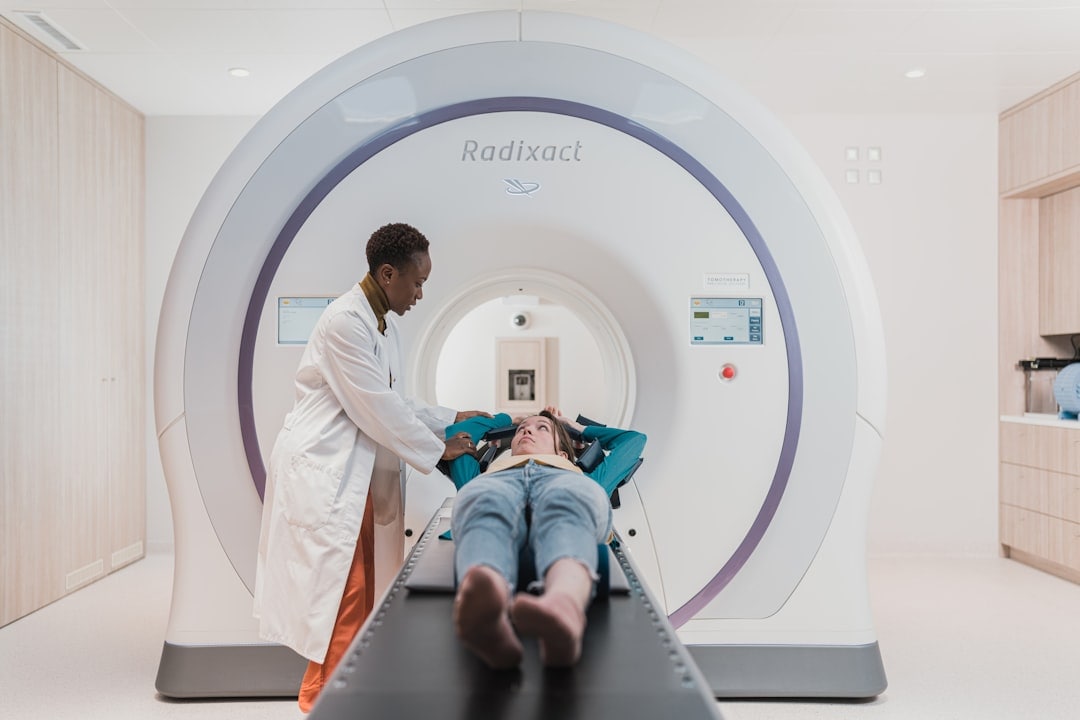
Why symptoms are often ignored
According to Dr Mohan, one of the main reasons symptoms often go unnoticed is the tendency to normalise women’s discomfort. Time-limited consultations and lack of deeper screening further contribute to missed diagnoses.
The radiologist notes, “Symptoms like irregular periods, pelvic pain, or persistent bloating are often brushed aside. When blood tests come back normal, it creates a false sense of reassurance.”
When should you go beyond routine tests?
Dr Mohan recommends considering imaging in the following situations:
- Persistent symptoms despite normal reports: Ongoing discomfort is a sign that something may not be reflected in basic tests. Imaging helps uncover underlying structural causes.
- Family history of hormonal or metabolic conditions: A genetic predisposition increases risk even when current tests are normal. Early imaging allows timely detection and monitoring.
- Changes in menstrual or reproductive health: Irregular cycles, heavy bleeding, or fertility concerns should not be ignored. These often indicate underlying issues that require deeper evaluation.
- Unexplained bloating or abdominal discomfort: Symptoms may be mistaken for digestive issues. Imaging helps differentiate between gastrointestinal and gynaecological causes.
Routine blood tests are an important part of monitoring health, but they do not always capture early warning signs or hidden underlying conditions. A more comprehensive approach – one that combines clinical assessment, laboratory testing, and imaging – can offer a fuller, more accurate picture of a woman’s overall health.
Dr Mohan concludes, “Normal reports don’t always mean everything is fine. Listening to your symptoms and choosing the right investigations at the right time is key to early and accurate diagnosis.”
Note to readers: This article is for informational purposes only and not a substitute for professional medical advice. Always seek the advice of your doctor with any questions about a medical condition.


Catch your daily dose of Fashion, Taylor Swift, Health, Festivals, Travel, Relationship, Recipe and all the other Latest Lifestyle News on Hindustan Times Website and APPs.


