
 E-Paper



Are social media driven ‘glass skin’ trends harming your skin? Dermatologist explains the truth about too much skincare

 Prefer HTon Google


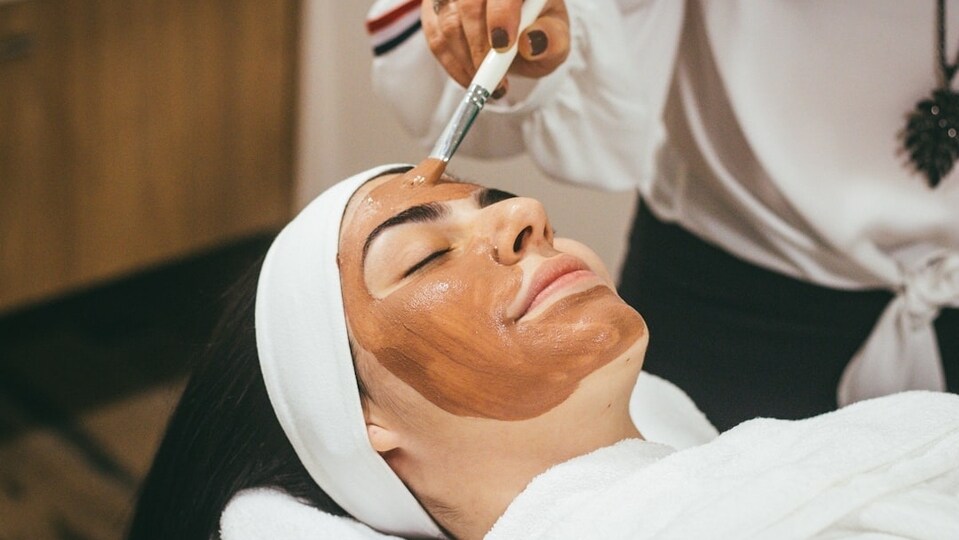
Many people chase flawless ‘glass skin’ on social media, but the pursuit may do more harm than good. Dr Dadu explains how it can damage the skin barrier.
From dewy, poreless complexions to elaborate multi-step routines promising an instant glow, social media has completely reshaped modern skincare aspirations. But beneath the filters, shine, and seemingly flawless skin lies a growing concern among dermatologists: the damage that can come from chasing perfection.
Also Read | Hair fall decoded: Trichologist explains the difference between stress-shedding and hormonal hair loss
What often gets missed is that skincare is deeply individual, and routines trending online are rarely designed with every skin type, concern, or condition in mind. In trying to replicate them, many people end up overloading or over-treating their skin – mistaking irritation, sensitivity, and a damaged skin barrier as part of the “purging” process rather than recognising them as signs that something is wrong.
Ht Lifestyle reached out to Dr Nivedita Dadu – the founder and chief dermatologist at Dadu Medical Centre, Rajouri Garden and Vasant Vihar, New Delhi – who says, “The idea of ‘glass skin’ is visually appealing, but it is often unrealistic and, in many cases, harmful when people try to replicate it without understanding their skin. Healthy skin is not about looking filtered – it’s about having a strong, balanced skin barrier.”
The ‘glass skin’ illusion
The concept of glass skin – flawless, luminous, almost reflective skin – originated from Korean beauty trends. While it emphasises hydration and care, its digital interpretation has gone a step further.
Dr Dadu explains, “Most of what people see online is enhanced by lighting, filters, and post-processing. Trying to achieve that exact look can push people toward excessive skin care practices. This pursuit often leads to overuse of products, frequent routine changes, and unrealistic expectations from the skin.”
When does skincare turn aggressive?
The dermatologist explains that trend-driven skincare routines can often do more harm than good, overwhelming the skin with layers of unnecessary products instead of genuinely improving skin health. She points out that the skin barrier is the body’s natural protective shield, and once this barrier is compromised, the skin becomes more vulnerable.
Dr Dadu says, “People are constantly layering serums, exfoliating more than required, and experimenting with multiple actives at once. This weakens the skin barrier over time. The skin barrier – your body’s natural protective layer – plays a critical role in retaining moisture and defending against irritants. Once compromised, it becomes vulnerable to inflammation, sensitivity, and breakouts.”

Signs your skin barrier is under stress
Dr Dadu highlights common warning signs that indicate your routine may be doing more harm than good:
- Persistent redness or irritation: If your skin appears flushed or stings frequently, it could be a sign of over-exfoliation or excessive use of actives.
- Increased breakouts: Overloading the skin with products can clog pores and disrupt balance, leading to acne.
- Tightness and dryness despite moisturising: This paradox often indicates barrier damage rather than simple dryness.
- Sudden sensitivity: If products that once suited you start causing discomfort, your barrier is likely compromised.
More is not always better
Dr Dadu points out that one of the biggest problems with social media-driven skincare trends is the idea that more steps automatically lead to better results. In reality, she explains, layering multiple products does not necessarily make a routine more effective. Instead, overdoing skincare can overwhelm the skin and end up causing more harm than benefit.
She emphasises, “Layering too many products does not enhance effectiveness – it increases the risk of irritation. Some ingredients can react with each other, while others may penetrate deeper than intended, causing damage. Frequent switching between trends also prevents the skin from adapting. Your skin needs consistency, not constant experimentation.”
Real skin versus idealised skin
There is an increasingly wide gap between real skin and the flawless skin often advertised on social media – and that gap continues to grow. Dr Dadu points out that occasional blemishes, texture, and breakouts are completely normal parts of having skin. But when people feel pressured to ‘fix’ every tiny imperfection, they often end up with even more irritation and damage.
The dermatologist notes, “Texture, pores, and occasional breakouts are normal. When people try to eliminate every imperfection, they end up harming the skin’s natural balance. Skincare should focus on function, not just appearance. A healthy skin barrier will naturally improve how your skin looks but chasing appearance alone can backfire.”
A smarter approach to skincare
Instead of following trends blindly, Dr Dadu recommends going back to basics.
- Keep skincare simple: A gentle cleanser, moisturiser, sunscreen, and targeted treatment are often sufficient.
- Introduce actives gradually: Avoid combining multiple strong ingredients at once.
- Focus on your skin type: What works for someone else may not work for you.
- Prioritise barrier health: Hydration and protection should always come before correction.
Social media has made skincare more accessible – but also more confusing. The pressure to achieve “perfect” skin is pushing many towards routines that do more harm than good. Dr Dadu concludes, “Skincare should not feel overwhelming or trend-driven. Your skin is not meant to look like a filter. When you respect its natural structure and focus on long-term health, that’s when you achieve real, lasting glow – not the temporary shine of trends.”
Note to readers: This article is for informational purposes only and not a substitute for professional medical advice. Always seek the advice of your doctor with any questions about a medical condition.


Catch your daily dose of Fashion, Taylor Swift, Health, Festivals, Travel, Relationship, Recipe and all the other Latest Lifestyle News on Hindustan Times Website and APPs.


