
 E-Paper



Does skincare need to age with your skin? Know what your skin really needs in 20s, 30s and 40s

 Prefer HTon Google


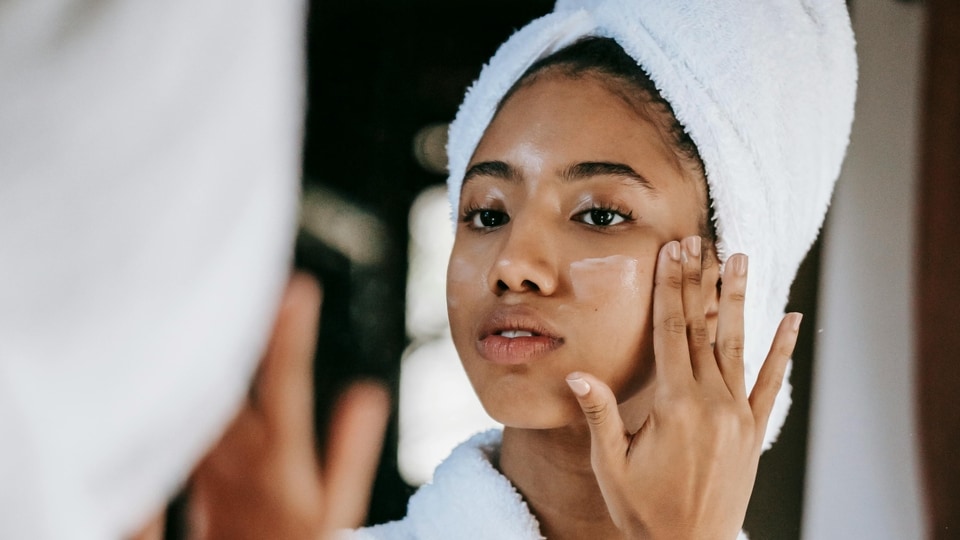
Same skin, just different needs across the decades: Find out how skincare needs vary as you age from 20s, 30s to 40s.
Following a dedicated skincare regimen is what keeps your skin ageing gracefully and healthily. However, while skincare holds a permanent spot in your daily routine, your skin does not stay the same across your 20s, 30s, and 40s. Natural changes begin to appear anyway, driven by factors such as hormonal shifts, lifestyle habits and environmental exposure.
This means that while the foundational basics of skincare remain unchanged, your routine needs to stay flexible to accommodate small, age-appropriate adjustments to ensure your skincare suits your skin's needs as it evolves and gets the right support. At the same time, social media narratives usually push an overwhelming number of products for every age group, which can create more confusion. Let's go through each decade one by one and see what your skincare would benefit from the most.
In a conversation with Dr Anindita Sarkar, chief medical officer at Clinikally, she referred to skincare as a ‘commitment’ and advocated for skincare to be accommodating of age-based changes. The key to healthy skin lies in understanding how to adapt your skincare routine accordingly. More than any product, regardless of how expensive it is, what truly matters is knowing when and how to make those changes.
Your 20s: Build the foundation

In your 20s, the goal, according to dermatologists, should be to build a preventive skincare routine that acts as a strong foundation. This is often when your skin looks its best, but your daily habits and environmental factors quietly shape how it will age over time. In that sense, your 20s set the ‘foundation’ for how you care for your skin now, which determines how it behaves and looks in the years ahead.
“Your skin is typically well-hydrated, firm, and resilient. Collagen and elastin production are at their peak,” Dr Sarkar mentioned the edge you have in your 20s.
The drawbacks come in the form of lifestyle stressors. The doctor warned that late nights, irregular sleep, pollution, and unprotected sun exposure can damage your skin's health.
Here are some of the things you need to focus on in 20s:
1. Sun protection is non-negotiable:
- UV exposure is responsible for up to 80% of visible ageing.
- A broad-spectrum SPF 30+ sunscreen is the most powerful anti-ageing tool.
2. Invest in barrier health:
- Use a gentle cleanser, antioxidant serum (Vitamin C), and a lightweight moisturiser.
- They help to maintain hydration and prevent environmental damage.
3. Start early with actives:
- Introduce mild exfoliants like AHAs or BHAs.
- Once or twice a week to boost cell turnover and keep skin smooth.
4. Lifestyle choices matter:
- Sleep, nutrition, and hydration are more influential for long-term skin health.
ALSO READ: Sleeping late every night? Study says poor sleep makes your brain age faster
Your 30s: Prevent, repair and replenish
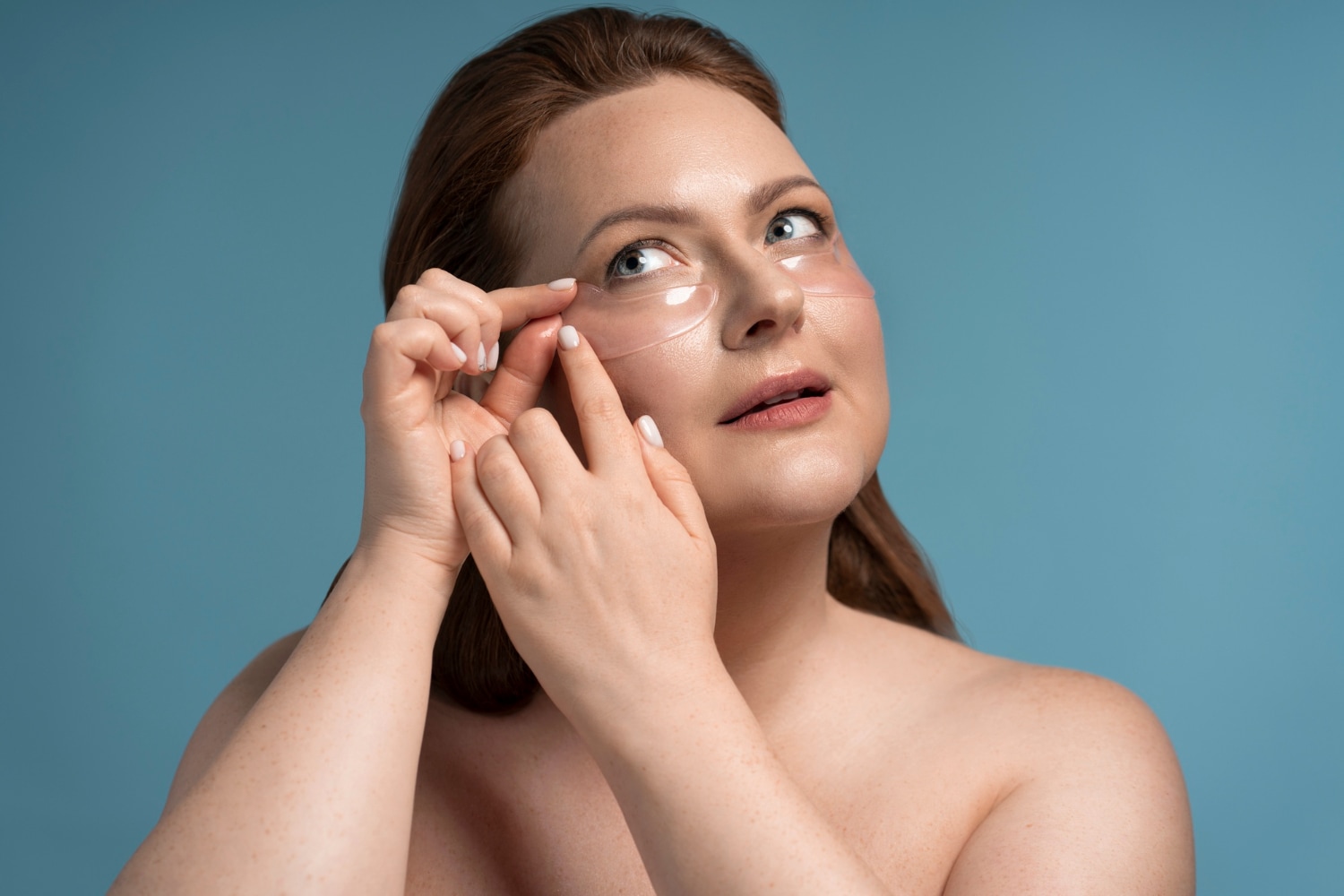
From your 30s onwards, subtle signs of ageing begin to appear. “Collagen production naturally declines by about 1% each year, leading to the early appearance of fine lines, mild dullness, and uneven tone,” the doctor explained. She also noted that moisture levels decrease, as the skin does not bounce back as quickly, and its ability to recover from stress goes down. The goal for this decade is to adopt a more intentional, reparative skincare approach, one that focuses on maintaining collagen levels, strengthening the skin barrier and restoring radiance.
Here are some of the things you need to focus on in 30s:
1. Add retinoids to your routine:
- Retinoids stimulate collagen, smooth texture, and even out pigmentation.
- Start with a low concentration and build tolerance gradually.
2. Strengthen the skin barrier:
- Incorporate ceramide-rich moisturisers to restore hydration and protect against pollution and blue-light damage.
3. Target pigmentation early:
- Consider serums with niacinamide, kojic acid, or liquorice root extract.
- Help to prevent melasma and sunspots.
4. Don’t skip the eyes and neck:
- These areas show early signs of ageing.
- Use a peptide or hyaluronic-acid-based eye cream and extend SPF and moisturiser beyond the jawline.
Your 40s: Restore and fortify
By the 40s, your skincare's focus needs to shift from prevention and restoration. This decade brings more pronounced changes in firmness, hydration and texture, making it essential to prioritise repair and nourishment. The doctor highlighted declining collagen levels as a major concern, which leads to loss of elasticity, sagging, deeper fine lines and a less firm appearance.
"Dryness and sensitivity also tend to increase as the skin’s natural renewal process slows down,” she noted, pointing to two other common concerns during this phase.
What does skin need during this time? Dr Sarkar recommended intense hydration, collagen-boosting ingredients, and antioxidant protection to strengthen the skin barrier and enhance firmness.
Here are some of the things you need to focus on in 40s:
1. Double down on hydration:
- Look for humectants like hyaluronic acid, glycerin, and urea to maintain moisture levels and restore plumpness.
2. Boost collagen with peptides and retinoids:
- Retinoids remain crucial, but pair them with peptides or growth-factor-based formulations to enhance firmness.
3. Antioxidant defence becomes essential:
- Combine Vitamin C, E, and ferulic acid to fight oxidative stress and repair environmental damage.
4. Professional treatments can help:
- In-office treatments like chemical peels, microneedling, or laser therapy can safely address pigmentation, texture, and laxity under expert guidance.
5. Internal care reflects on skin:
- Hormonal changes during this decade influence skin health.
- Balanced nutrition, regular exercise, and adequate hydration become as important as topical care.
Note to readers: This article is for informational purposes only and not a substitute for professional medical advice. Always seek the advice of your doctor with any questions about a medical condition.


Catch your daily dose of Fashion, Taylor Swift, Health, Festivals, Travel, Relationship, Recipe and all the other Latest Lifestyle News on Hindustan Times Website and APPs.


