
 E-Paper


Can poor air quality raise your risk of pneumonia? Experts explain what keeps you protected and what doesn't
Exposure to poor air quality can increase pneumonia risk, especially among vulnerable groups. Learn how to protect your lungs and recognise warning signs.

 Prefer HTon Google


Exposure to polluted air, smoke and harmful particles can weaken the lungs' natural defence mechanisms, increasing vulnerability to respiratory infections such as pneumonia. Doctors highlight that children, older adults and people with existing health conditions need extra protection.
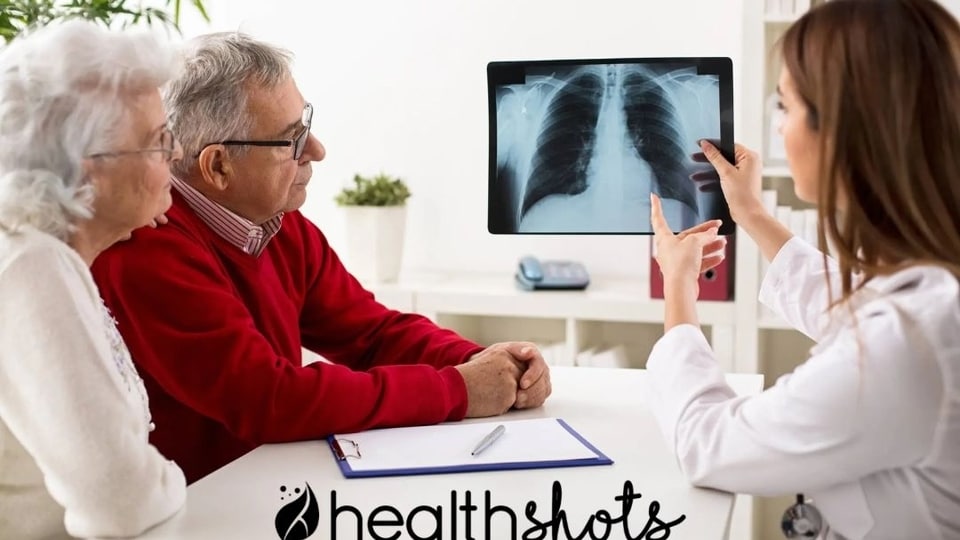

Pneumonia continues to be a major respiratory health concern, affecting people across different age groups.While bacterial and viral infections are common causes, environmental factors such as air pollution, smoke, and prolonged exposure to harmful particles can further affect lung health and increase susceptibility to respiratory infections, including pneumonia. As air quality deteriorates, doctors are emphasising the need to understand pneumonia, recognise its warning signs, and take preventive measures.
How long before pneumonia kills you?
Pneumonia is an infection that causes inflammation in the air sacs of one or both lungs. Common symptoms include cough, fever, chills, chest pain, breathlessness and fatigue. In some cases, particularly among older adults, confusion and unusual weakness may also occur.
Dr Jay Bhanushali, Pulmonologist, Zynova Shalby Hospital, Mumbai, said, “Air pollution can increase the risk of respiratory infections, including pneumonia, by damaging the lungs’ natural defence mechanisms. Pollutants such as PM2.5, PM10 and nitrogen dioxide irritate the airways, trigger inflammation and affect the respiratory tract’s ability to fight infection-causing viruses and bacteria. Prolonged exposure to polluted air can make the lungs more vulnerable to infections and may also worsen their severity. Children below five years, senior citizens, people with asthma or COPD, and those with diabetes or weakened immunity are particularly vulnerable. We are witnessing a rise in respiratory complaints amid deteriorating air quality. Over the last 15 days, we have observed an approximately 20% increase in suspected pneumonia cases. Notably, 2 out of every 10 patients aged between 25 and 65 years who visited us during this period presented with symptoms such as persistent cough, fever, chest pain, breathlessness and excessive fatigue, raising suspicion of pneumonia. Avoid venturing out of the house when the air quality if poor, maintain personal hygiene, wear a mask and keep your lungs safe.”
Dr Chhya Vaja, Internal Medicine Expert, Apollo Spectra Hospital Mumbai, said, “Early medical evaluation helps identify the infection and determine whether antibiotics or other treatment is required. Severe breathlessness, bluish lips or confusion require urgent medical attention. Preventive measures include avoiding tobacco smoke, reducing outdoor exposure during periods of high pollution, maintaining good indoor ventilation and practising hand hygiene. Vaccination against pneumococcal disease and influenza can also help eligible individuals reduce their risk of certain infections that may lead to pneumonia. The focus must remain on recognising pneumonia early, understanding its risk factors and ensuring timely treatment. Protecting lung health through awareness and preventive care can help reduce the burden of this potentially serious infection.”
(Disclaimer: This article is for informational purposes only and is not a substitute for professional medical advice. Always seek the advice of your doctor with any questions about a medical condition.)

Catch your daily dose of Fashion, Taylor Swift, Health, Festivals, Travel, Relationship, Recipe and all the other Latest Lifestyle News on Hindustan Times Website and APPs.


