
 E-Paper



Tired despite eating three meals a day? Doctor lists 4 reasons for low energy, from poor dietary balance to sedentary lifestyle

 Prefer HTon Google


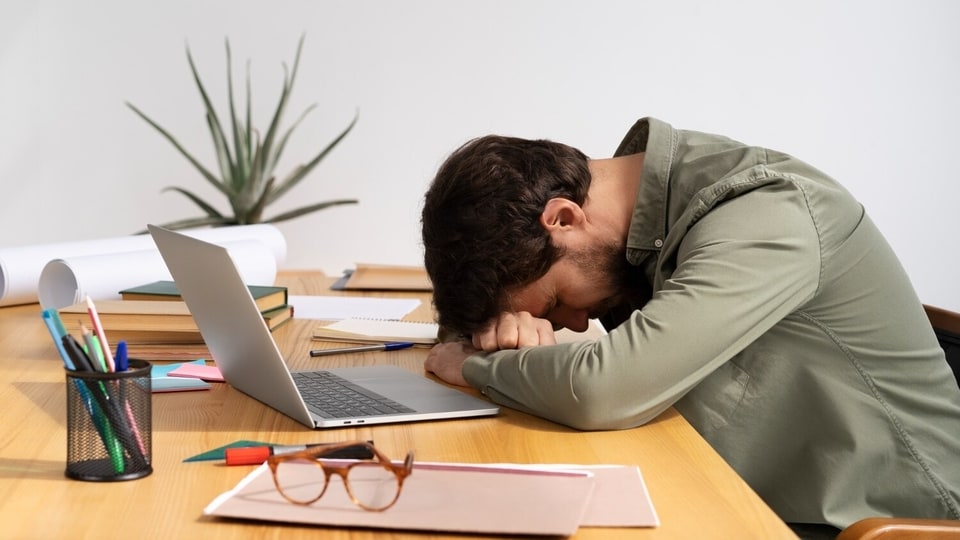
If you are eating three meals a day but still feeling low on energy, some everyday habits may be contributing to your tiredness. Dr Sowmya explains.
Young adults are often thought to be brimming with energy: hitting the gym, running marathons, and engaging in rigorous physical activity. But the reality can be less upbeat, with many feeling drained, despite eating well regularly. It may be high time to examine why you are still feeling tired after three full meals a day and take a closer look at your everyday habits.
ALSO READ: Nutritionist shares how many eggs per day a healthy adult should have, warns about 2 common mistakes
Dr Sowmya Muralikumaran, an internal medicine specialist at Apollo Spectra Hospital, MRC Nagar, Chennai, weighed in on this in an interview with HT Lifestyle, noting that energy levels do not depend solely on adequate eating; several other factors also play a role.
“Feeling tired despite having had three full meals per day has been increasingly frequent among young adults. Although having meals regularly provides one with calories, it doesn’t necessarily mean that one gets everything they require for maintaining consistent energy levels," she said. “Many other factors can have an impact on a person’s energy levels, such as food intake, sleeping habits, stress, technology usage, and lack of physical activity.”
Reasons for low energy

A closer look at your lifestyle may reveal that neglecting its essential foundations can result in low energy. Here are some possible reasons:
1. Poor dietary balance:
- Eating enough food does not necessarily mean you are getting all the nutrients your body needs.
- Diets dominated by refined carbohydrates, sweets, and junk food may provide enough calories but lack adequate protein, iron, and B vitamins.
- Meals high in refined carbohydrates may cause rapid blood sugar spikes followed by dips, leaving you hungry or tired.
- Include protein, fibre-rich carbohydrates, healthy fats, fruits, and vegetables for a more balanced diet.
2. Sleep deprivation:
- Irregular sleep schedules and late-night screen use can disrupt your body clock and affect sleep quality.
- Insufficient sleep can leave you tired and struggling to concentrate, even when you eat well.
3. Chronic stress:
- Academic pressure, demanding work schedules, and daily responsibilities can contribute to mental and physical fatigue.
- Ongoing stress may disrupt sleep, appetite, and daily routines, creating a cycle of tiredness and poor concentration.
4. Sedentary lifestyle:
- Long hours at a desk or using electronic devices can leave little room for movement.
- Lack of regular physical activity can reduce stamina, making everyday tasks feel more tiring and lowering endurance levels.
How to boost energy?
Supporting your energy level begins with paying attention to your daily routines, from the meals you eat to the rest and movement you get. Dr Muralikumaran recommended a few simple habits that may help you feel more energetic throughout the day:
1. Maintain balance in diet:
- Eat protein, complex carbohydrates, good fats, and either vegetables or fruits.
- This will help with energy levels.
2. Sleep properly:
- Maintain proper sleeping and waking schedules.
- Avoid exposure to electronic screen light at night.
3. Be active:
- Regular physical activity for 20 minutes can build stamina and maintain high energy levels.
- One can incorporate some physical activities like walking and stretching into their day to increase physical endurance.
4. Reduce daily stress:
- Take short pauses during the day, take deep breaths, and rest from using screens.
- This helps to prevent mental exhaustion.
The doctor, however, cautioned that persistent fatigue may require medical attention. "It is crucial not to overlook chronic tiredness, associating it only with a busy schedule. When fatigue continues to be an issue even with sufficient amounts of sleep and healthy food, seeking medical advice might be necessary.”
Note to readers: This article is for informational purposes only and not a substitute for professional medical advice. Always seek the advice of your doctor with any questions about a medical condition.


Catch your daily dose of Fashion, Taylor Swift, Health, Festivals, Travel, Relationship, Recipe and all the other Latest Lifestyle News on Hindustan Times Website and APPs.


