
 E-Paper



Dwarka diabetologist with 24 years of experience explains '1 of the most dangerous and ignored emergencies in diabetes'

 Prefer HTon Google


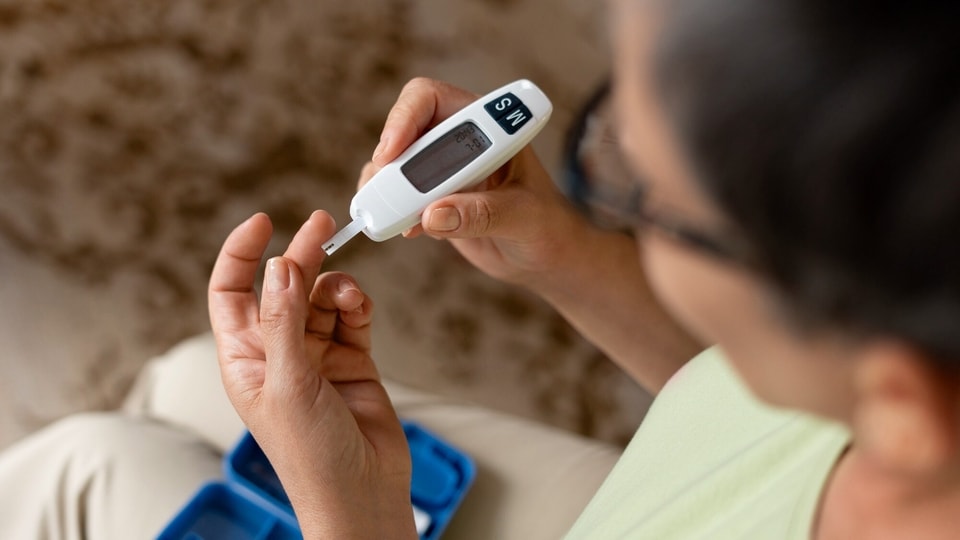
Dr Brijmohan Arora warns about hypoglycemia, a diabetes emergency characterised by symptoms like tremors, sweating, hunger, drowsiness and abdominal pain.
Did you know hypoglycemia — or dangerously low blood sugar — is “one of the most dangerous and most ignored emergencies in diabetes?” In a December 5 Instagram video, Dr Brijmohan Arora, a diabetologist with over 24 years of experience, who practices in Dwarka, New Delhi, not only explained the dangers of hypoglycemia but also urged diabetes patients to recognise the symptoms of a sugar crash and act immediately. Also read | Diabetes: Here's what to do when you have low blood sugar levels
Recognizing warning signs of hypoglycemia
Dr Arora explained that hypoglycemia is a constant risk for individuals on diabetes treatment and highlighted that the common symptoms of this condition include tremors, excessive sweating, and intense hunger, along with drowsiness, vomiting, or abdominal pain.
He said, “So patients who are taking treatment for diabetes always have the risk of hypoglycemia. Hypoglycemia means low blood sugar usually below 70. So if this happens you may experience symptoms like tremors, excessive sweating. You may feel drowsy, sleepy, nauseated, vomited, or have abdominal pain. You may feel very hungry. These are signs that you are experiencing hypoglycemia, or low blood sugar.”
Dr Arora added a list of 'symptoms you must recognise immediately' in his caption:
• Sudden sweating
• Trembling / shaking
• Fast heartbeat
• Anxiety or feeling “uneasy”
• Hunger that comes out of nowhere
• Dizziness or light-headedness
• Blurred vision
• Confusion
• Irritability
• Difficulty speaking
• Headache
• Weakness
• Loss of coordination
• Behaviour changes
• And in severe cases → seizures or loss of consciousness
2-step emergency response
Dr Arora outlined a critical two-step protocol for immediate treatment, and said in the video he posted, “So what to do? So two things take a rapid-acting sugar and a long-acting sugar. So rapid acting can be juice, Glucon-D three teaspoons in water, or probably you can take 3 teaspoons of sugar in water, and after that you should also have a piece of bread or two pieces of bread. So one bread is 15 grams of slow-acting sugar, and if you don't have that, then you can have a roti. So the sugar solution that you took will have an impact only for 15 minutes, but the long-acting bread and roti will have an impact for 2 or 3 hours, and in that time you can go to the hospital. So if anyone of you has diabetes, save this, follow this.”
In his caption, he wrote, “Hypoglycemia (low blood sugar) is one of the most dangerous and most ignored emergencies in diabetes. It can happen anytime — especially in patients on insulin, sulfonylureas, heavy workouts, skipped meals or late dinners... hypoglycemia is preventable — but only if you recognise it and act FAST.”
Foods to avoid
Dr Arora specifically warned patients to never treat hypoglycemia with biscuits, chocolate, tea, coffee, or any diet/sugar-free beverages. “These are too slow or contain no glucose,” he cautioned. He concluded his message by advising diabetes patients to always carry an emergency kit containing:
1. Sugar sachets
2. Glucon-D
3. A small carbohydrate snack
4. Your CGM / glucometer
Note to readers: This report is based on user-generated content from social media. HT.com has not independently verified the claims and does not endorse them.
This article is for informational purposes only and not a substitute for professional medical advice.


Catch your daily dose of Fashion, Taylor Swift, Health, Festivals, Travel, Relationship, Recipe and all the other Latest Lifestyle News on Hindustan Times Website and APPs.


