
 E-Paper



Flaxseed for PCOS: Gynaecologist shares 10 science-backed benefits every woman should know
From hormonal balance to weight control and skin health, find the top 10 benefits of flaxseed for PCOS management.

 Prefer HTon Google


Seeds like chia, pumpkin, and sunflower may be small, but they pack a significant nutritional punch. Among these tiny powerhouses, flaxseed stands out as a superfood that is not only rich in plant-based protein but also boasts an impressive profile of dietary fibre and lignans—natural compounds known for their cancer-fighting and antioxidant properties. What's more? Flaxseed is recognised for its high content of alpha-linolenic acid (ALA), a type of omega-3 fatty acid essential for heart health. If you're looking for a nutritious addition to your diet, consider the numerous benefits of flaxseed, particularly for individuals with polycystic ovary syndrome (PCOS).
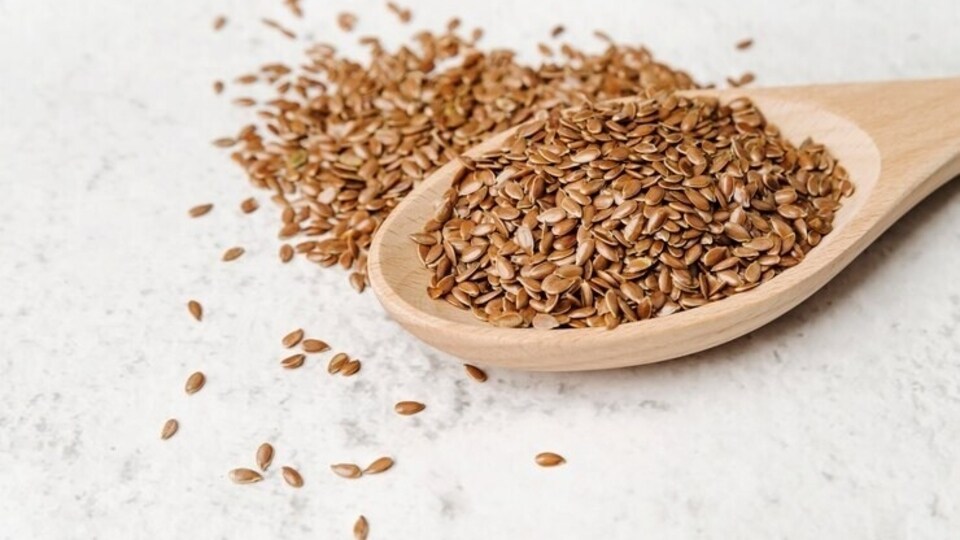

Nutritional facts of flax seeds
Understanding the nutritional profile of flaxseed is essential before exploring its benefits. According to the U.S. Department of Agriculture, one tablespoon (10 grams) of whole flaxseeds contains:
- Calories: 55
- Water: 7%
- Protein: 1.9 grams
- Carbohydrates: 3 grams
- Sugar: 0.2 grams
- Fibre: 2.8 grams
- Fat: 4.3 grams
Additionally, flaxseeds are rich in magnesium, phosphorus, zinc, iron, vitamin B6, copper, and folate, making them a valuable addition to any diet, according to the journal Molecules.
10 benefits of flaxseed for PCOS
1. Hormonal balance
One of the key challenges for women with PCOS is managing hormonal imbalances. Flaxseeds are rich in lignans, which are phytoestrogens—plant compounds that mimic estrogen in the body. By potentially modulating estrogen levels, lignans may help alleviate symptoms associated with hormonal fluctuations. This can be particularly beneficial in regulating menstrual cycles and supporting reproductive health, as noted in the journal Nutrients.
2. Omega-3 fatty acids
Flaxseed is an excellent source of omega-3 fatty acids, particularly alpha-linolenic acid (ALA). Omega-3s possess anti-inflammatory properties that can mitigate chronic inflammation, a common issue for many women with PCOS. Improved inflammation can enhance insulin sensitivity, a crucial factor in managing weight and metabolic health, which are key components in the PCOS management strategy, according to the journal Molecular Metabolism.
3. Weight management
"Weight gain and difficulty losing weight are prevalent issues for women with PCOS. The high fibre content in flaxseed helps promote satiety, meaning it can help you feel full for longer, which may assist in reducing overall caloric intake. Incorporating flaxseed into meals, such as smoothies or yoghurt, can be an effective strategy for controlling hunger and improving weight management efforts," Dr Swati Gaikwad, Consultant Obstetrician and Gynaecologist, Motherhood Hospital, tells Health Shots.
4. Blood sugar control
Flaxseed has been shown to have a positive impact on blood sugar levels, as reported in Complementary Therapies in Medicine. The soluble fibre in flaxseed slows down the digestion process, resulting in more stable blood sugar levels over time. For women with PCOS, who may struggle with insulin resistance, this can be a game-changer. Managing blood sugar effectively can help reduce cravings and prevent the spikes and crashes that often lead to unhealthy eating habits.
5. Menstrual cycle regulation
Irregular menstrual cycles are a common symptom of PCOS, often linked to hormonal imbalances. Regular consumption of flaxseed might promote more regular ovulation patterns. The lignans found in flaxseeds may contribute to the normalisation of menstrual cycles by influencing estrogen metabolism, thereby helping to balance the hormonal fluctuations that cause irregular periods, as per Frontiers in Nutrition.
6. Improved cholesterol levels
Women with PCOS are at a higher risk for cardiovascular issues, including elevated cholesterol levels. Flaxseed has been shown to help reduce levels of LDL (bad) cholesterol and increase HDL (good) cholesterol. By improving lipid profiles, flaxseed can contribute to better heart health. This is particularly important for women with PCOS, as managing cardiovascular risk is a crucial aspect of overall health, as per the Indian Journal of Obstetrics and Gynaecology Research.
7. Digestive health
"The high fibre content in flaxseed also benefits digestive health. Dietary fibre is essential for maintaining digestive regularity and preventing constipation. For women with PCOS, who may experience digestive issues alongside hormonal symptoms, incorporating flaxseed into the diet can promote a healthy gut and improve overall gastrointestinal function," suggests Dr Gaikwad.
8. Skin health
Flaxseed can be beneficial for skin health, particularly for those experiencing acne and other skin issues related to hormonal imbalances. The anti-inflammatory properties of flaxseed can help reduce skin inflammation and improve hydration. Omega-3 fatty acids also play a role in maintaining healthy skin, potentially alleviating some common issues faced by women with PCOS, as reported in the journal Nutrients.
9. Anti-inflammatory properties
PCOS often accompanies chronic, low-grade inflammation. Flaxseed is recognised for its potent anti-inflammatory properties, which can help alleviate various symptoms associated with PCOS. Regular consumption can lead to reduced inflammation throughout the body, which may help relieve pain and discomfort, ultimately contributing to an improved quality of life, according to Harvard Health.
10. Nutrient-rich profile
Beyond its hormonal and metabolic benefits, flaxseed is rich in nutrients. It contains essential vitamins and minerals, including B vitamins, magnesium, and potassium, and protein. This nutrient-dense profile supports overall health, providing the body with the essential nutrients it needs to function optimally. For women managing PCOS, ensuring a sufficient intake of nutrients is vital for maintaining energy levels, stabilising mood, and promoting overall wellness, as per the Journal of Health, Population and Nutrition.
PCOS-friendly recipe: Flaxseed smoothie
If you’re keen to incorporate flaxseed into your diet, here’s a quick and delicious recipe for a flaxseed smoothie:
Ingredients:
- 1 tablespoon ground flaxseed
- 1 banana
- 1 cup milk (dairy or plant-based)
- 1 tablespoon honey
- 1/2 teaspoon vanilla extract
Instructions:
1. Blend all the ingredients in a blender until smooth.
2. Enjoy this nutritious smoothie as a breakfast option or a snack to help support hormonal balance and PCOS management.
Does flaxseed have side effects?
While flaxseeds have numerous benefits, Dr Swati Gaikwad advises moderation is key to avoiding potential side effects:
- Digestive issues: Consuming high fibre content in excess without adequate water can lead to bloating and gas.
- Allergic reactions: Although rare, some individuals may be allergic to flaxseeds, which can lead to symptoms such as itching and swelling.
- Hormonal imbalance: The phytoestrogens in flaxseeds can interfere with hormonal balance if consumed in excessive amounts, particularly concerning conditions like uterine fibroids or certain cancers.
- Medication interactions: Flaxseeds may interact with certain medications, including blood thinners and drugs used to lower blood sugar levels. If you are taking these medications, consult a healthcare provider.

Catch your daily dose of Fashion, Taylor Swift, Health, Festivals, Travel, Relationship, Recipe and all the other Latest Lifestyle News on Hindustan Times Website and APPs.


