
 E-Paper



Hepatologist reveals if brown sugar, honey, jaggery are actually 'healthier' alternative to white sugar or not

 Prefer HTon Google


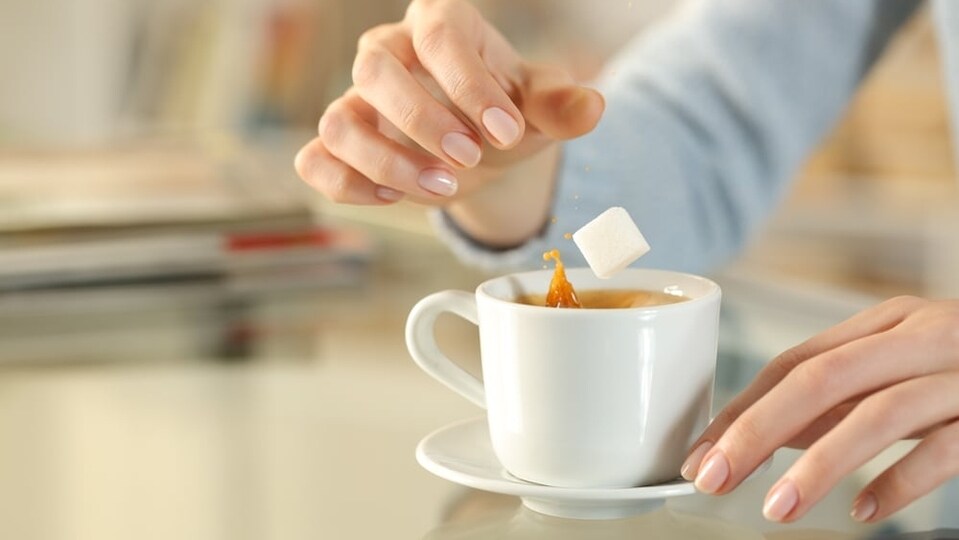
Dr Cyriac Abby Philips warned that the 'health halo' around natural sweeteners is misleading as our liver and pancreas see little difference.
In a world obsessed with wellness hacks, many have swapped white sugar for spoons of honey or chunks of jaggery, believing they are doing their bodies a favour. However, according to Dr Cyriac Abby Philips, a hepatologist known as The Liver Doc on social media, these popular alternatives are essentially white sugar in a different wrapper. Also read | Neurosurgeon warns shifting from sugar to jaggery or honey doesn't make food safe: ‘All spike sugar the same’
In an Instagram post on December 23, Dr Philips challenged the 'health halo' surrounding natural sweeteners, warning that your internal organs — specifically your liver and pancreas — can’t tell much of a difference. The doctor added that the goal should not be to replace white sugar with 'natural' versions, but to strictly limit total intake across the board.
Why brown sugar, honey, jaggery aren’t much better
He highlighted three major global guidelines for daily sugar consumption, and said: “Limit white sugar. Do not avoid. According to WHO, less than 10 percent of total daily calories: for an average 2,000-calorie diet, this is roughly 50 grams (approx. 12 teaspoons) per day. According to Indian nutritional guidelines: the 'ideal' 5 percent goal would be 25 grams (6 teaspoons) per day. According to American Heart Association: for men, maximum 36 grams (9 teaspoons) per day, for women, maximum 25 grams (6 teaspoons) per day.”
While many people reach for brown sugar, honey, or jaggery to avoid the 'empty calories' of refined white sugar, Dr Philips argued that the nutritional benefits are biologically negligible. He said, “Despite the common belief that brown sugar is 'healthier', the scientific guidelines for its consumption are identical to those for white sugar.”
He added, “Recommended for men: Maximum 36 grams (9 teaspoons) per day, and for women: maximum 25 grams (6 teaspoons) per day. Brown sugar contains a tiny amount of molasses, which technically adds calcium, iron, and potassium; however, the amounts are biologically negligible. To get just 1 percent of your daily iron requirement from brown sugar, you would have to eat about 5 teaspoons... the health damage from that much sugar far outweighs the tiny mineral benefit.”
Rating the sweeteners
He stripped these alternatives of their high ratings, suggesting they deserve a 2/10 or 3/10 rather than the "passing grade" they are often given by wellness influencers.
Dr Philips said, “Giving honey and jaggery a passing, 'better' grade (6/10) creates a dangerous 'health halo' effect. While honey has a slightly lower GI than sucrose, it still spikes insulin significantly. To get a meaningful amount of the minerals (iron, magnesium) mentioned in jaggery, you would need to consume dangerous amounts of sugar (for example – 100g+ per day). In realistic serving sizes (1 tsp), the mineral content is biologically negligible. To your liver and pancreas, honey and jaggery are effectively the same as white sugar. They are dense sources of glucose and fructose. These should be rated much closer to white sugar (2/10 or 3/10). They are not 'healthy' alternatives; they are just less processed forms of sugar.”
Dr Philips further said about ‘stevia ratings of 9.5 and 8.5’, “2023 WHO guidelines: the WHO now advises against the use of non-sugar sweeteners, including Stevia, for weight control or reducing the risk of non- communicable diseases. Just because they don't spike insulin acutely doesn't mean they are metabolically inert. Those allergic to ragweed can have sensitivity and side effects towards stevia. It can also interact with blood pressure and diabetes medications. Something not seen with other agents.”
Note to readers: This report is based on user-generated content from social media. HT.com has not independently verified the claims and does not endorse them.
This article is for informational purposes only and not a substitute for professional medical advice.


Catch your daily dose of Fashion, Taylor Swift, Health, Festivals, Travel, Relationship, Recipe and all the other Latest Lifestyle News on Hindustan Times Website and APPs.


