
 E-Paper



Here's how coronavirus may hijack human cells
Previous research had found that the SARS-CoV-2 virus that causes Covid-19, enters cells through a process called endocytosis upon binding to the cell surface receptor ACE2 and potentially other proteins like integrins.


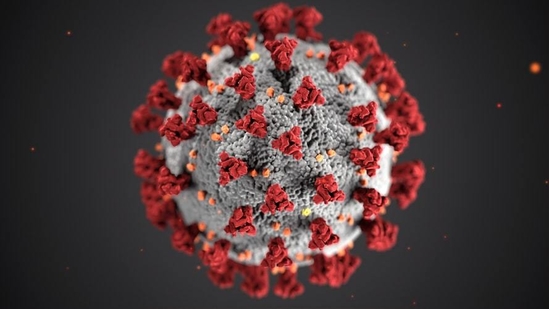
Scientists, including one of Indian-origin, have identified parts of human proteins which the novel coronavirus could be using to hijack host cell processes, an advance that may lead to the development of new drugs for treating COVID-19.
The researchers, including Manjeet Kumar from the European Molecular Biology Laboratory (EMBL) in Germany, analysed the chain of amino acid molecules that makes up the human proteins involved in the coronavirus infection, such as a class of proteins called integrins.
Previous research had found that the SARS-CoV-2 virus that causes COVID-19, enters cells through a process called endocytosis upon binding to the cell surface receptor ACE2 and potentially other proteins like integrins.
In the current study, published in the journal Science Signalling, the scientists focussed particularly on short strings of amino acids called short linear motifs (SLiMs), which are involved in transmitting information between the inside and outside of cells.
They saw that several integrins contain SLiMs that are likely involved in the cellular processes of uptake and disposal of substances called endocytosis and autophagy.
"If SARS-CoV-2 targets proteins involved in endocytosis and autophagy, it means these processes might be hijacked by the virus during infection," said Balint Meszaros, a co-author of the study from EMBL.
The researchers believe the findings may lead to new therapeutic approaches for COVID-19.
"SLiMs could 'switch' to turn viral entry signals on or off. This means that if we can find a way to reverse these switches using drugs, this might stop coronavirus from entering cells," explained study senior author Lucia Chemes.
"Together, these findings have identified a potential link between autophagy and integrin signaling and could lead to new ways to prevent viral infection," the scientists wrote in the study.
Based on the results, the researchers gathered a list of existing drugs that interfere with endocytosis and autophagy.
"If clinical trials prove some of these drugs to work against COVID-19, this could be a game changer," Kumar added.
Catch your daily dose of Fashion, Taylor Swift, Health, Festivals, Travel, Relationship, Recipe and all the other Latest Lifestyle News on Hindustan Times Website and APPs.


