
 E-Paper



Is your daily roti healthy? Gastroenterologist explains how wheat roti spikes blood sugar; offers alternatives

 Prefer HTon Google


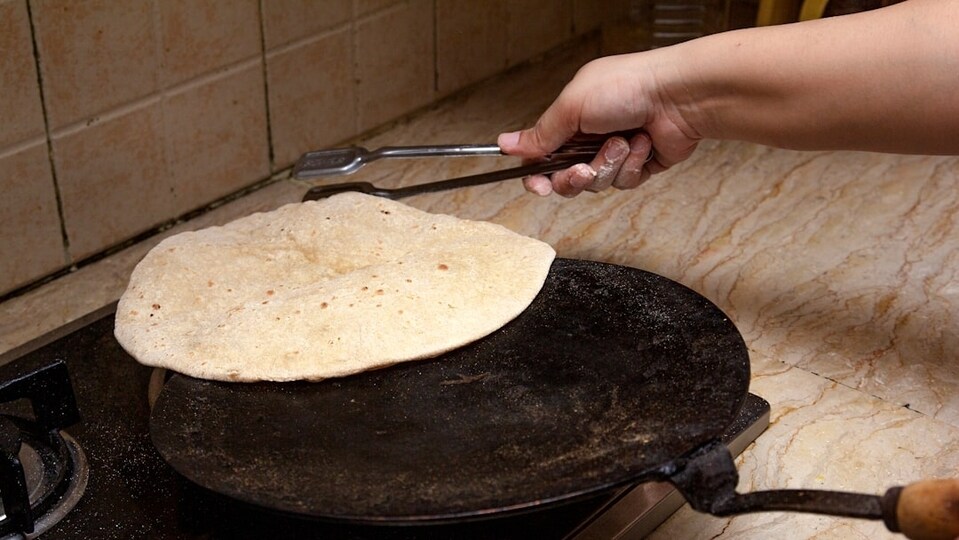
Gastroenterologist Dr Vatsya advises against pure wheat rotis due to blood sugar spikes, recommending alternatives like millets and jowar for better health.
Is the roti you eat normally every day good for your health? Well, if you are diabetic, it may spell bad news for you. However, if you don't have the disease, it may be inadvertently harming your blood sugar levels.
Is your roti healthy?
Dr Shubham Vatsya, a gastroenterologist with over 10 years of experience at Fortis Hospital, Vasant Kunj, Delhi, recently appeared on Indian YouTuber Ranveer Allahbadia's podcast. During the episode, they discussed several common health concerns among the average person, including whether the roti we eat daily is healthy.
In the video, the gastroenterologist advises individuals to reconsider their reliance on pure wheat rotis, as they tend to cause rapid blood sugar spikes. He went so far as to suggest stopping to eat them altogether. In its place, he suggested several alternatives, including millets and jowar, along with the benefits they offer.
What is the truth about wheat?
According to Dr Vatsya, wheat is a complex carbohydrate. According to MedlinePlus, complex carbohydrates are made up of sugar molecules that are strung together in long, complex chains. Eating complex carbs regularly can increase your blood sugar more slowly because they contain fibre and other complex starches that take longer for your body to digest, the Centres for Disease Control and Prevention (CDC) reveals.
Therefore, according to the gastroenterologist, if we can stop eating pure wheat roti, we should. But what should you substitute it with?
If you have diabetes, jowar is very good for you. “The insulin spike that is occurring (with wheat), jowar is actually very good for diabetics,” he explains. For people seeking to boost their protein intake, the doctor recommends incorporating millet or bajra into their diet. Meanwhile, if you have an iron deficiency, you should eat roti made from ragi.
Moreover, if cutting out wheat entirely is difficult, he proposes mixing different flours together to lower the overall glycemic index of the meal. By making these nutritional adjustments, individuals can better manage insulin responses while addressing specific health deficiencies. These dietary swaps serve as a practical strategy for maintaining long-term metabolic health through smarter grain choices.
Note to readers: This article is for informational purposes only and not a substitute for professional medical advice. Always seek the advice of your doctor with any questions about a medical condition.
This report is based on user-generated content from social media. HT.com has not independently verified the claims and does not endorse them.


Catch your daily dose of Fashion, Taylor Swift, Health, Festivals, Travel, Relationship, Recipe and all the other Latest Lifestyle News on Hindustan Times Website and APPs.


