
 E-Paper



It’s not just a fever: Doctor says these 13 could be first signs of cancer in your child

 Prefer HTon Google


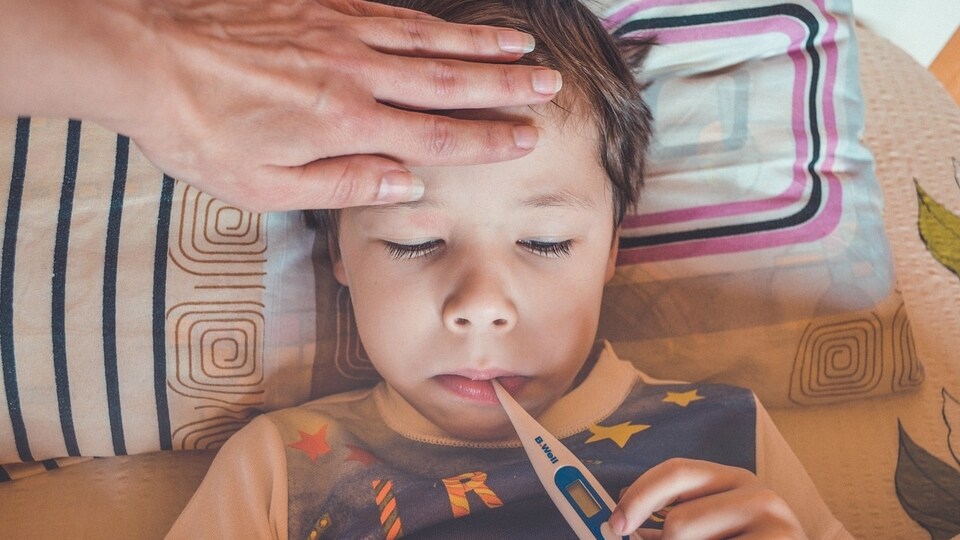
Pediatric expert shares 13 silent signs of childhood cancer. Parents don’t overlook these red flags.
Childhood cancer is rare, accounting for less than 1% of all cancer diagnoses however, it remains the second leading cause of death in children after accidents. Early detection is crucial for improving outcomes. While many symptoms overlap with common childhood illnesses, vigilance and prompt medical consultation are essential.
In an interview with HT Lifestyle, Dr Sumitra Meena, Co-Founder and CEO of digital paediatric care platform Babynama, shared, “Childhood cancer differs significantly from adult cancers. The most common types include leukaemia (blood cell cancer), brain tumours, lymphomas (lymphatic system cancer), neuroblastoma (nerve cell cancer), Wilms tumour (kidney cancer), bone cancers (osteosarcoma and Ewing sarcoma) and soft tissue sarcomas.”
Although rare, childhood cancer's impact is significant. Dr Sumitra Meena revealed, “While mortality rates have dramatically decreased due to treatment advances, cancer itself, and sometimes its treatment, can lead to long-term physical, emotional, and cognitive challenges for children.”
Age and risk factors
Dr Sumitra Meena pointed out, “Cancer can strike at any age, but some types are more prevalent in specific age groups. For example, leukemia is more common in younger children, while bone cancers tend to occur in adolescents. The causes of most childhood cancers are unknown. However, identified risk factors include genetic conditions (e.g., Down syndrome), family history of cancer, radiation exposure and certain environmental factors.”

General symptoms
According to Dr Sumitra Meena, parents should be aware of general symptoms that may indicate a problem:
● Unexplained, persistent, or recurring fever without a clear cause.
● Unusual tiredness, fatigue, or lack of energy.
● Significant weight loss without changes in diet or activity.
● Decreased interest in food or difficulty eating.
● Persistent paleness or pallor.
Specific symptoms
Beyond general symptoms, Dr Sumitra Meena suggested to watch for these more specific signs:
● Lumps or swelling anywhere on the body.
● Persistent or recurring bone pain.
● Frequent or severe headaches, especially accompanied by vomiting.
● Sudden vision changes.
● Easy bruising, nosebleeds, or bleeding gums.
● Unusual skin changes, rashes, discoloration, or sores that don't heal.
● Neurological symptoms like changes in behavior, coordination, or balance.
● Swelling or distention in the abdomen.
Survival rates and treatment
Dr Sumitra Meena said, “The overall five-year survival rate for childhood cancer now exceeds 80%, thanks to advancements in treatment. Treatment success depends on the cancer type and stage, as well as the child's general health. Treatment options include chemotherapy, radiation therapy, surgery, and immunotherapy.”

While the causes of many childhood cancers are not fully understood, parents can play a crucial role in supporting their child's overall health and well-being. Dr Sumitra Meena asserted, “A strong immune system is vital. This can be fostered through a balanced diet rich in nutrients, minimizing processed and junk foods, and encouraging regular physical activity. A healthy lifestyle strengthens the body's natural defenses and may contribute to reducing the risk of certain diseases.”
When to seek medical attention
Dr Sumitra Meena advised, “Consult your pediatrician immediately if your child exhibits any concerning symptoms, especially if they persist, worsen, or occur in combination. Don't hesitate to seek professional medical advice if someone has any concerns about their child's health or development, particularly if there's a family history of cancer. Trust your instincts – early detection is key.”
Note to readers: This article is for informational purposes only and not a substitute for professional medical advice. Always seek the advice of your doctor with any questions about a medical condition.


Catch your daily dose of Fashion, Taylor Swift, Health, Festivals, Travel, Relationship, Recipe and all the other Latest Lifestyle News on Hindustan Times Website and APPs.


