
 E-Paper



Nearly one billion people globally will have osteoarthritis by 2050: Lancet study

 Prefer HTon Google


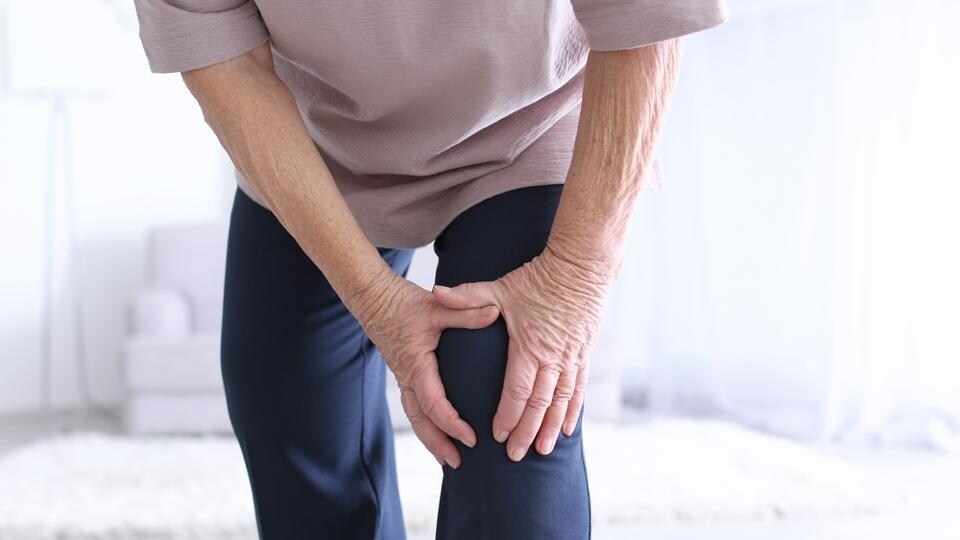
The research found osteoarthritis cases increased rapidly over the past three decades because of three main factors: ageing, population growth, and obesity.
Nearly one billion people globally will be living with osteoarthritis by 2050, according to a study which found that 15 per cent of individuals aged 30 and older currently experience the most common form of arthritis. The study, published recently in The Lancet Rheumatology journal, analysed 30 years of osteoarthritis data (1990–2020) covering more than 200 countries.
(Also Read | Monsoon lifestyle modifications to help osteoarthritis patients improve their joint health)
The team, led by researchers at the Institute for Health Metrics and Evaluation (IHME) in the US, as part of the Global Burden of Disease Study 2021 found that cases increased rapidly over the past three decades because of three main factors: ageing, population growth, and obesity.
Arthritis literally means joint inflammation. Osteoarthritis is the most common form of arthritis, affecting millions of people worldwide. It occurs when the protective cartilage that cushions the ends of the bones wears down over time.
In 1990, 256 million people had osteoarthritis. By 2020, this number rose to 595 million people, which was a 132 per cent increase from 1990. By 2050, this number is projected to approach the one billion mark, the researchers said.
"With the key drivers of people living longer and a growing world population, we need to anticipate stress on health systems in most countries," said Jaimie Steinmetz, the research paper's corresponding author and lead research scientist at IHME.
"There is no effective cure for osteoarthritis right now, so it's critical that we focus on strategies of prevention, early intervention, and making expensive, effective treatments like joint replacements more affordable in low- and middle-income countries," Steinmetz said.
The researchers noted that the most common areas for osteoarthritis are knees and hips.
More women than men are expected to continue grappling with this condition. In 2020, 61 per cent of osteoarthritis cases were in women versus 39 per cent in men. There is a combination of possible reasons behind this gender difference, they said.
"The reasons for gender differences in osteoarthritis prevalence are being investigated, but researchers believe that genetics, hormonal factors, and anatomical differences play a role," said Jacek Kopek, senior author and professor at the University of British Columbia, Canada.
The study shows that obesity or high body mass index (BMI) is an important risk factor for osteoarthritis. If obesity can effectively be addressed in the global population, the osteoarthritis burden would decrease by an estimated 20 per cent.


