
 E-Paper



Oncologist explains 8 early signs of cancer you must watch out for: Unexplained weight loss, unusual swellings, bleeding

 Prefer HTon Google


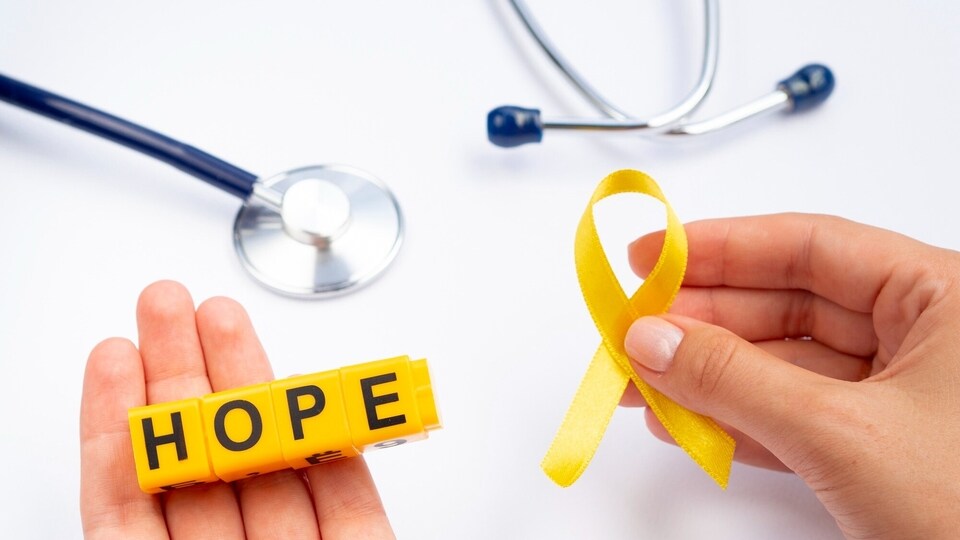
Losing weight without any changes in diet or exercise can be a red flag for cancers. Chronic fatigue that doesn't improve with rest may also indicate cancer.
Early detection of cancer is crucial for effective treatment and improved outcomes. Regular check-ups and screenings play a vital role in identifying cancer at an early stage, when it's more likely to respond well to treatment. In an interview with HT Lifestyle, Dr Ajesh Raj Saksena, consultant surgical oncologist, Apollo Hospitals Jubilee Hills said 'early detection remains one of the most critical determinants of cancer survival rates'. Also read | Cancer doctor 'with 30 years of experience' shares her top advice, busts common myths
He said, “According to the World Health Organization (WHO) and National Cancer Institute (NCI), nearly 30–50 percent of cancers are preventable, and early diagnosis significantly improves outcomes for many cancers. Based on both clinical experience and established guidelines, the following signs warrant close attention,” and added, “While most symptoms can have benign causes, a symptom persisting beyond 2–3 weeks or progressively worsening must be medically evaluated.”
According to Dr Ajesh Raj Saksena, these are the 'top evidence-based warning signs of cancer':
1. Unexplained weight loss
“Weight loss of over 5 percent of body mass over 6–12 months, particularly when unintentional, may be linked to malignancies such as gastrointestinal, pancreatic, or lung cancers. British Journal of General Practice (2017) identified unexplained weight loss as the most predictive single symptom of cancer in adults,” he said.
2. Persistent fatigue
“Unlike common tiredness, cancer-related fatigue is profound, persistent, and not relieved by rest. It may be an early sign in cancers such as leukemia, colon, or stomach,” Dr Saksena said.
3. Unusual lumps or swellings
“The American Cancer Society notes that any persistent or growing mass — especially in the neck, breast, testicle, or abdomen — should be clinically assessed,” he added.
4. Changes in bowel or bladder habits
Speaking of red flags, he said, “Long-term diarrhea, constipation, or blood in stool may signal colorectal cancer. Similarly, hematuria (blood in urine) is a potential early sign of bladder or kidney malignancy.”
5. Unusual bleeding or discharge
“Vaginal bleeding after menopause or between periods, blood in sputum, or nipple discharge are among the common early signs across reproductive, lung, and breast cancers,” Dr Saksena added.
6. Persistent cough or hoarseness (>3 weeks)
“Particularly relevant in smokers or high-risk individuals; can be an early manifestation of laryngeal or lung cancers,” according to the doctor.
7. Changes in skin or moles
“Use the ABCDE rule for melanoma: Asymmetry, Border irregularity, Color variation, Diameter >6 mm, Evolving nature,” he said.
8. Sores that do not heal
Dr Saksena, “Especially in the mouth, on the skin, or genitals. Chronic non-healing ulcers are potential signs of skin or oral cancers.”

More signs you should know
Jeevan Kasara, director and CEO, Steris Healthcare, further told HT Lifestyle that watching for signs is vital — but combining personal symptom tracking with structured annual screenings gives you the best chance of catching diseases early. “If you are 40+, or have a family history of cancer, consult your physician about tailored diagnostic scans,” he said.
According to him, “From a diagnostic imaging and precision medicine standpoint, clinical decision-making is most effective when symptom vigilance is aligned with risk-based screening protocols.”
He shared that here's what current literature and technological advancements suggest are high-risk symptoms:
1. Persistent localised pain
“Focal, persistent pain that is not associated with a known injury (e.g., pelvic pain, backache) may be the only early sign of ovarian, spinal, or bone cancers. Journal of Pain Research (2020) suggests chronic unexplained pain as a marker for early metastatic spread in several cancers,” Jeevan said.
2. Unexplained fevers and night sweats
“Common in hematologic malignancies (e.g., lymphomas, leukemia). CDC guidelines highlight these as core red-flag symptoms prompting hematologic panels and imaging,” he added.
3. Neurological symptoms
According to Jeevan, “Blurred vision, unsteady gait, or headaches that are new in pattern or intensity require brain imaging (MRI/CT) to rule out tumours or metastases.”
4. Breathlessness or chest discomfort
Jeevan added, “May indicate pulmonary or cardiac metastases. Chest X-rays and low-dose CT scans are primary diagnostic tools for early-stage lung cancer (NCI 2022).”
5. Appetite loss or sensory changes
“While subtle, sudden aversions (e.g., to meat or alcohol), metallic taste, or satiety after small meals may suggest digestive tract involvement or metabolic shifts from tumour activity,” Jeevan said.
How diagnostics enhance early detection
According to Jeevan:
⦿ Low-dose CT (LDCT) has shown a 20 percent reduction in lung cancer mortality among high-risk groups (e.g., smokers aged 55–74), as reported by the NLST (National Lung Screening Trial).
⦿ PET-CT scans combine metabolic and structural data to detect active tumors before they grow large enough for standard imaging.
⦿ Liquid biopsies and genomic screening are increasingly used to catch tumors based on circulating tumor DNA (ctDNA), even before physical symptoms appear.
Note to readers: This article is for informational purposes only and not a substitute for professional medical advice. Always seek the advice of your doctor with any questions about a medical condition.


Catch your daily dose of Fashion, Taylor Swift, Health, Festivals, Travel, Relationship, Recipe and all the other Latest Lifestyle News on Hindustan Times Website and APPs.


