
 E-Paper



Psychologists in Delhi-NCR flooded with anxiety calls courtesy new Covid wave


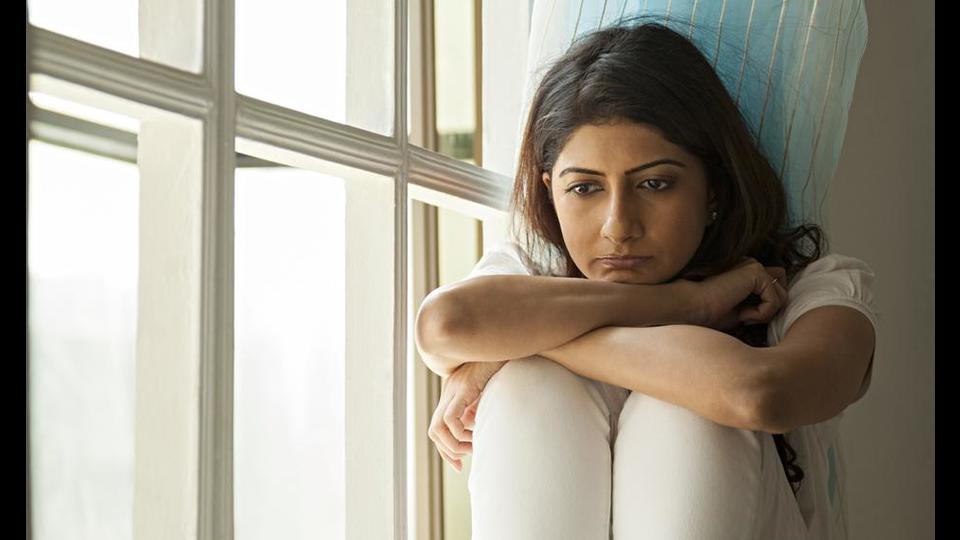
Delhi-NCR based psychologists increase report a multifold increase in distress calls as the pandemic intensifies. Some experts have had to increase the number of hours to provide counselling to those in distress.
‘What if I go for groceries or bank, get Covid’, ‘I am unable to sleep as I keep watching the news about the health crisis’, ‘I feel I have lost all energy and am unable to get up from my bed’. These are some of the questions psychologists are facing in the times of crisis. The phones of mental health experts have been ringing non stop due to the spiralling anxiety in this grim situation. Many say that the lack of emotional support and rising worries around health, have led the psychologists and psychiatrists get a flood of distress calls.
The crisis that has taken a toll on most of us not just physically but also mentally. “In the last one month, the calls have gone through the sky,” says Dr Sanjay Chugh, a senior consultant psychiatrist. He adds, “The usual calls are related to fear of getting Covid. There is a panic everyone. Once people hear a rational voice, they do tend to calm down a bit. I tell them if there’s a bucket inside the head, a stress bucket, then they need to avoid unhealthy lifestyle choices that contribute to increase in the stress levels; these include pills, alcohol, fretting and fuming, watching a lot of web series or television, not exercising, and sleeping late. And they need to start addressing to these.”
Komel Chadha, a Ghaziabad based psychological counsellor and therapist, says she’s experiencing a 30-40% increase in the number of distress calls now as compared to earlier. “I’ve added extra slots of counselling through the weekdays. There are additional slots and free counselling sessions on weekends too. With those who have already undergone therapies, I’ve shared recorded audios and told them to do recommended and easy-to-do therapies and exercises on a daily basis to deal with the growing stress. And I tell them to avoid watching news if the number of positive cases is growing on mind. I usually suggest a self-devised technique called FIFE (Full In Full Out) to those who are fine and at home. This means breath full belly in and full belly out at least 10 times a day to deal with the stress.”
“Sadly, in this new wave, a lot of young adults are getting impacted big time,” says Praggatti Rao, a consultant psychologist, who is getting double the number of therapy requests in just a few days. Rao adds, “People are very concerned about things such as: Why am I feeling so stressed most of the time? Why am I unable to accept and come to terms with the gloom and fear all around? Why do I feel like crying?Why I am so demotivated to do anything personally?”
Another senior consultant psychologist, Roma Kumar, says she tries to listen to people and give them coping methods as well as calming techniques to help them build their emotional resilience. “There is an immense fear, excessive anxiety and panic among people especially due to continued uncertainty on various issues like finance, job, education, future of children etc. And above all, the question of survival is playing on the mind of many. There is a pervasive sense of increased irritability, pervasive sense of hopelessness and helplessness. Others who are in denial, show emotional distress in their behaviours. The impact of the first wave of Covid-19 and the lockdown was still there in everyone’s mind, and this current medical emergency and lockdown due to the new wave has hampered their mental and emotional health due to many facing personal loss, grieving and struggling with basic medical health issues.”
How to cope with stress in the new wave of Covid:
· Take breaks from watching, reading, or listening to news stories. Consider limiting news to just a couple times a day and disconnecting from phone, TV, and computer screens for a while.
· Maintain a routine as best as you can. Even though we are at home, try to stick to your regular sleep, meal, and school or work schedule, to maintain a sense of normalcy.
· Take time out for activities you enjoy. Read a good book, watch a comedy, play a fun board or video game, make something — whether it’s a new recipe, a craft, or a piece of art. It doesn’t matter what you do, as long as it takes you out of your worries.
·Be kind to yourself and take care of your body and spirit. Go easy on yourself if you’re experiencing more anxiety than usual.
·Avoid self-medicating. Try not to use alcohol or other substances to deal with anxiety and restlessness.
·Take up a relaxation exercises such as deep breathing, meditation, and yoga that can bring you back into a state of equilibrium.
Author tweets @Nainaarora8
Catch your daily dose of Fashion, Taylor Swift, Health, Festivals, Travel, Relationship, Recipe and all the other Latest Lifestyle News on Hindustan Times Website and APPs.


