
 E-Paper



Raw vs cooked food; nutritionist on which is better
While raw food has more water-soluble vitamins, cooking food reduces anti-nutrients. So, which is better? A nutritionist answers.


Eating raw food has an array of benefits backed by scientific studies and the advantages range from sustained weight loss, increase in energy levels and lowering of cholesterol levels. Studies show that raw food diet has higher levels of antioxidants and basically reduce your risk of chronic ailments. However, cooked food has better digestibility and also takes care of the anti-nutrients that are found in raw food thus making nutrient absorption better. In our daily life, we tend to eat a mix of cooked and uncooked food. While veggies are cooked, salads like onion, cucumber and even green chilly are eaten raw. Many of us eat sprouted grains, broccoli, bell peppers raw while others steam or cook them before eating. So, which one is actually better for your health - raw food or cooked food? (Also read: Can eating raw foods reverse diabetes? Here's what a nutritionist says)
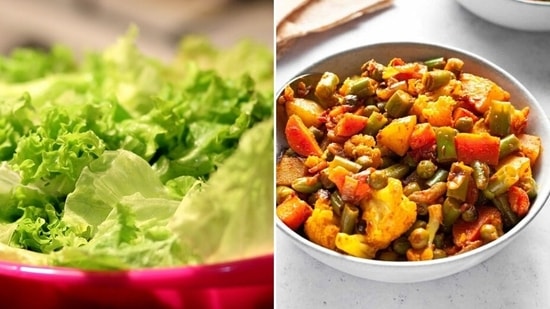
"The answer is that both cooked and raw food are good and have merits. So, stick to your traditional food whether cooked or uncooked," says nutritionist Bhuvan Rastogi in his recent Instagram post.
Rastogi then goes on to compare cooked and raw food and lists the advantages and disadvantages of both.
Raw food has more water-soluble vitamins
"Cooking leads to loss of water, reducing the amount of water-soluble vitamins. Fruits high in Vitamin C should be consumed raw for this reason. Even green chillies, when eaten raw, have more Vitamin C than lemons by weight," says the nutritionist.
But why do we prefer cooking over consuming raw food?
Cooking destroys enzymes in food
"And some believe that cooking leads to more need for enzymes from us to digest food. The other side claims that enzymes in food are for their growth, and humans make enough enzymes to digest food cooked or uncooked. But it's all inconclusive," says the expert.
Cooked food has more mineral and micronutrient density
"As we make saag out of leafy vegetables like palak, the minerals, fat-soluble vitamins, and antioxidants are concentrated as water content goes down. For example, Vitamin K, an antioxidant and oil-soluble vitamin, gets concentrated when cooked," says Rastogi.
Cooking kills bacteria and microorganisms
Rastogi says cooking reduces the chances of food-borne illnesses, especially in animal-based food sources. "For germinated foods, it depends on the type of microorganisms/preparation environment," he says.
Cooking makes food easier to digest
Cooking breaks down some plant cells to make them easier to digest and absorb. That's why meat is easier to digest when cooked and cooking grains and legumes improve digestibility, says Rastogi.
Cooking reduces antinutrients
"Antinutrients have been shown to hinder the absorption of certain micronutrients. Cooking reduces known anti-nutrients like oxalates and phytates. But anti-nutrients are demonised because of their names actually they have a lot of beneficial functions," says Rastogi.
So how to decide between raw and cooked?
"As science has not yet deemed a method of consumption as healthier than the other it's better to stick to traditional eating habits, where we cook some things and eat others raw. Don't change anything till it's conclusively proven less effective," concludes Rastogi.
Catch your daily dose of Fashion, Taylor Swift, Health, Festivals, Travel, Relationship, Recipe and all the other Latest Lifestyle News on Hindustan Times Website and APPs.


