
 E-Paper



Risk of stroke at 35? Neurologist Dr Amit Kulkarni shares 6 warning signs young adults need to know

 Prefer HTon Google



Stroke is no longer a health risk only for the elderly, but also for young adults. Dr Amit Kulkarni shares early signs to detect and take necessary steps.
Stroke is typically considered a disease of older adults, but in recent days, more and more patients who are younger, even in their thirties, are presenting with the symptoms of an acute stroke.
In an interaction with HT Lifestyle, neurologist Dr Amit Kulkarni shared that while age remains an important risk factor in stroke, changing lifestyles and certain underlying medical conditions are making stroke an emerging public health concern for youth.
“Data suggests that nearly one in every six to seven strokes occurs in individuals below the age of 45, and the Indian Council of Medical Research (ICMR) notes that around 14 percent of stroke cases in India occur in this younger demographic, highlighting that stroke is no longer confined to the elderly,” he stated.
He went on to share six warning signs that young adults should look out for, which are presented as follows.
1. Snoring and daytime sleepiness
“Many young adults think that loud snoring is harmless. However, obstructive sleep apnoea (OSA) - where breathing repeatedly stops during sleep - is an increasingly recognised risk factor for stroke in younger people,” noted Dr Kulkarni.
OSA reduces oxygen supply, raises blood pressure and inflammation, and puts extra stress on the heart and blood vessels, significantly increasing stroke risk if left untreated.
2. Persistent high blood pressure
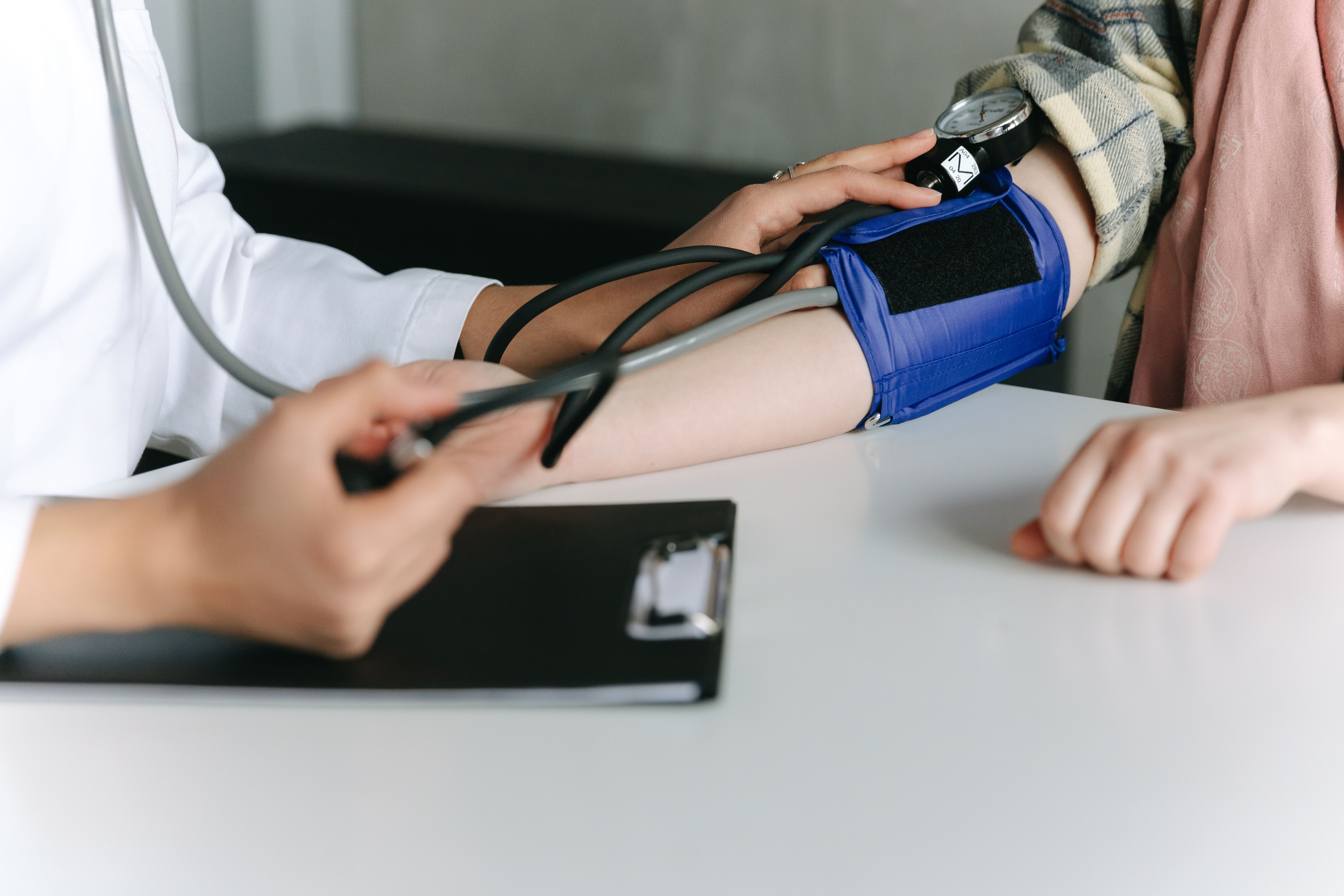
Hypertension often produces no symptoms until serious damage has already occurred. Many young professionals don't know they have high blood pressure because they rarely undergo health check-ups.
According to the neurologist, uncontrolled hypertension is the single most important modifiable risk factor for stroke and should never be ignored, regardless of age.
3. Diabetes and high cholesterol
“Poorly controlled diabetes and dyslipidaemia (high cholesterol) can silently damage blood vessels over time, causing them to become narrowed and hardened through a process called atherosclerosis,” stated Dr Kulkarni.
This reduces blood flow and increases the risk of blood clot formation, which can block an artery supplying the brain and trigger an ischaemic stroke.
Since both diabetes and high cholesterol often develop without noticeable symptoms, many young adults may remain unaware they have these conditions until a serious event such as a stroke occurs, cautioned the neurologist.
“Regular screening, especially for individuals with obesity, a family history of cardiovascular disease, or other metabolic risk factors, is essential for early detection and prevention,” he added.
4. Sudden episodes of palpitations or an irregular heartbeat
According to Dr Kulkarni, many younger stroke patients often have undiagnosed heart rhythm problems like atrial fibrillation or other cardiac arrhythmias. These abnormal rhythms can cause blood clots to form in the heart, which can travel to the brain and block blood flow.
“Recurrent palpitations, unexplained dizziness or short-duration blackouts need to be checked up,” he stated.
5. Stroke after a minor neck injury is uncommon, but possible
Arterial dissection is more frequent in young adults than in older adults. It happens when there is a small tear in one of the arteries that supply the brain, explained Dr Kulkarni.
“It can occur sometimes after sports injuries, gym workouts, road traffic accidents or even sudden neck movements. Seek emergency care immediately for persistent neck pain accompanied by weakness, numbness, difficulty speaking or visual problems,” he noted.
6. Obesity and metabolic health
“Stroke risk is no longer limited to smoking or diabetes,” pointed out the neurologist. “Central obesity, physical inactivity, unhealthy diets, high cholesterol, and insulin resistance are increasingly contributing to strokes among younger adults.”
Excess body weight also increases the likelihood of hypertension, diabetes, and sleep apnea, creating multiple pathways that elevate stroke risk, warned Dr Kulkarni.
Importance of preventive measures
As per Dr Kulkarni, almost 80 percent of all cases of stroke could be prevented by detecting and managing the risk factors early on.
“Managing one’s blood pressure, having control over one’s diabetes and cholesterol levels, avoiding smoking and drinking, maintaining a healthy body weight, treating obstructive sleep apnoea, exercising regularly, and seeking medical evaluation for heart rhythm abnormalities can significantly reduce stroke risk,” he stated.
Individuals with a strong family history may also benefit from preventive screening, including carotid Doppler ultrasound, in appropriate clinical settings.
It is also important not to ignore a mini stroke. In such cases, symptoms last for a few minutes before disappearing. Also known as a transient ischaemic attack (TIA), it occurs when the blood flow to part of the brain is temporarily blocked.
“While symptoms resolve, a TIA is a major warning sign that a full stroke could occur soon and should be treated as a medical emergency,” noted the neurologist.
Note to readers: This article is for informational purposes only and not a substitute for professional medical advice. Always seek the advice of your doctor with any questions about a medical condition.
Dr Amit Kulkarni is serving as Director-Neurology at Fortis Hospital, Bannerghatta, Bengaluru. He has nearly 2 decades of experience in managing complex neurological conditions, including stroke, epilepsy, headaches, multiple sclerosis and other demyelinating disorders, neuropathies, myasthenia, autoimmune neurological conditions and dementia.


Catch your daily dose of Fashion, Taylor Swift, Health, Festivals, Travel, Relationship, Recipe and all the other Latest Lifestyle News on Hindustan Times Website and APPs.


