
 E-Paper



Waded through waterlogged streets during rain? Doctors reveal health risks and steps to take after reaching home

 Prefer HTon Google


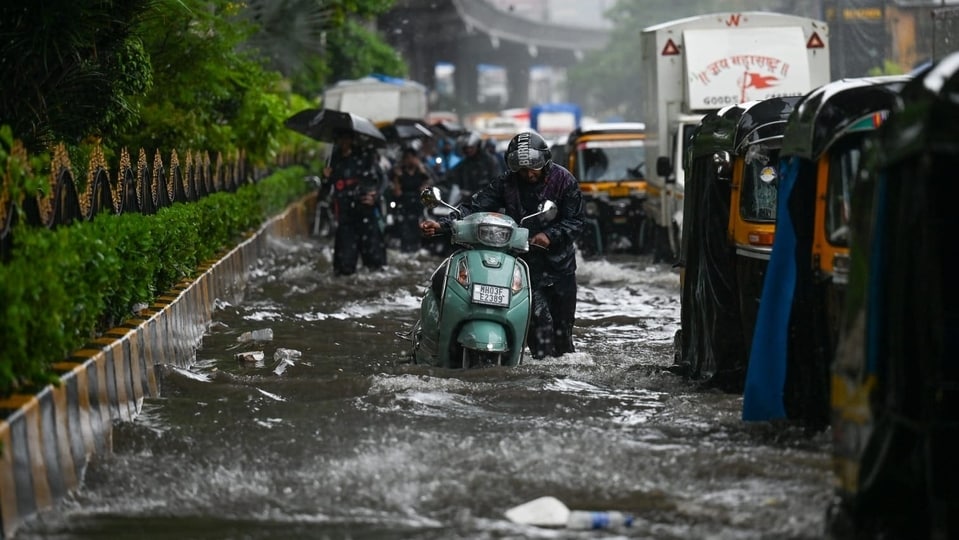
With heavy monsoon, flooded streets in major Indian cities pose serious health risks, including infections. Experts recommend steps to take after reaching home.
Monsoons are in full swing across India, and every day, videos of people wading through waterlogged streets in Mumbai, Delhi, Gurugram, and other major cities are surfacing online. While it may appear to be merely rainwater, it is important to know that it is far more than that; a blend of rainwater, sewer, garbage, animal manure, industrial chemicals and all the other nasty stuff.
In an interview with HT Lifestyle, Dr Murtaza S Bagwala, head of emergency medicine at Saifee Hospital, Mumbai, and Dr Ashish Nandy, head of accident and emergency medicine at Ruby Hall Clinic, Pune, revealed the health risks posed by waterlogged streets and the measures one can take after reaching home safely.
What health risks does exposure to waterlogged streets pose?
Many people have been forced to travel through flooded streets in the past few days. Just a brief exposure can pose a risk of several infections and injuries, particularly if adequate precautions are not taken after the exposure.
According to Dr Murtaza, one of the most common health concerns is skin and soft tissue infections. He cautioned that people often have small cuts, blisters, cracked heels or insect bites they might not even be aware of. When these come into contact with contaminated water, bacteria can easily enter the body, leading to redness, swelling, pain, and pus.
“These infections may spread and become serious if not treated. Those who are diabetic, have poor circulation, or compromised immune systems should take special care, as a small cut can develop rapidly,” Dr Murtaza advised.
Leptospirosis is another pivotal issue in the monsoon, he noted. “This bacterial infection is transmitted by contaminated water, which is found in the urine of infected animals, especially rats. Rats are also found in urban areas, so there is a heightened risk after heavy rainfall and flooding,” Dr Murtaza cautioned. The first signs and symptoms are:
- fever
- muscle pain
- severe headache
- chills
- vomiting
- eye redness
Moreover, he noted that the symptoms commonly mimic those of a viral illness and that people tend to ignore them. When left untreated, however, leptospirosis may lead to complications affecting the kidneys, liver, lungs, and other organs, and can be fatal. Early medical treatment can make a big difference.
Infestation of the stomach and intestines is also possible through exposure to floodwater. Dr Murtaza explained, “In the event of accidental consumption of contaminated water or it coming into contact with food, it could lead to diarrhoea, vomiting, abdominal pain, and dehydration. These complications are worse for children, older people, and those with pre-existing health conditions.”
Infections and injuries are other hidden dangers, he stressed. Waterlogged streets are often murky and cover broken glass, exposed metal, nails, rocks, and other sharp objects. Cuts or punctures can occur without the person being aware. These injuries not only raise the risk of bacterial infection but may also require tetanus protection.
Dr Murtaza also listed a few simple measures that can help minimise these risks:
- Wash off with soap and clean water as soon as you get home if you came into contact with floodwater.
- Take extra care with cuts and abrasions on your feet, legs and hands.
- Replace wet clothes, shoes, and socks with clean, dry ones, and do not wear wet shoes or socks for long periods, as they can cause skin damage and fungal infections.
- Look at the bottom of your feet for any cuts and clean and tend them properly, even if it's just a small cut.
- Above all, don't dismiss warning signs during the next few days. If fever, severe muscle pain, persistent vomiting, diarrhoea, worsening redness or swelling at a wound site, yellow eyes, or decreased urine output are present, seek immediate medical attention.
“Complications and life-threatening situations can be avoided by responding early to diagnosis and treatment during the monsoon,” he advised.
What should you do after reaching home?
According to Dr Ashish, if you have had to walk on a flooded street, there are several precautions you can take immediately upon arriving home that will minimise the risk of infection:
1. Wash with soap and clean water. Clean yourself properly.
Rinse your feet, don't soak them. Rinse and soak your feet, legs, and any bare skin. Take a full shower if possible, to wash off any contamination from your body. Don't scrub too vigorously, as prolonged exposure to water can make the skin more susceptible to damage.
2. Examine skin for cuts and wounds
Look for punctures, blisters, cuts, and scratches on feet, legs, and hands. Any cut or abrasion can invite bacteria into the body. Properly clean the wound with clean water, apply an antiseptic, and bandage it.
3. Change to dry clothes ASAP
Remove wet clothes and socks upon arriving home. Long exposure to wet garments can lead to fungal infections, skin irritation, and rashes, particularly in the monsoon season.
4. Wash and disinfect your shoes
Flooded streets may harbour germs that can linger on shoes and slippers. Thoroughly wash with soap and water, let them dry completely and disinfect them before putting them on again.
5. Keep an eye out for signs in the coming days.
Seek medical treatment immediately if you come into contact with flood water and get fever, severe muscle pain, vomiting, diarrhoea, redness or swelling around a wound or yellowing of the eyes.
Lastly, Dr Ashish noted that serious flood-related infections can be prevented with early diagnosis and treatment. “If you dedicate a few minutes to following these simple steps, you'll be able to keep health problems and infections at bay throughout the monsoon season,” he added.
Note to readers: This article is for informational purposes only and not a substitute for professional medical advice. Always seek the advice of your doctor with any questions about a medical condition.


Catch your daily dose of Fashion, Taylor Swift, Health, Festivals, Travel, Relationship, Recipe and all the other Latest Lifestyle News on Hindustan Times Website and APPs.


